
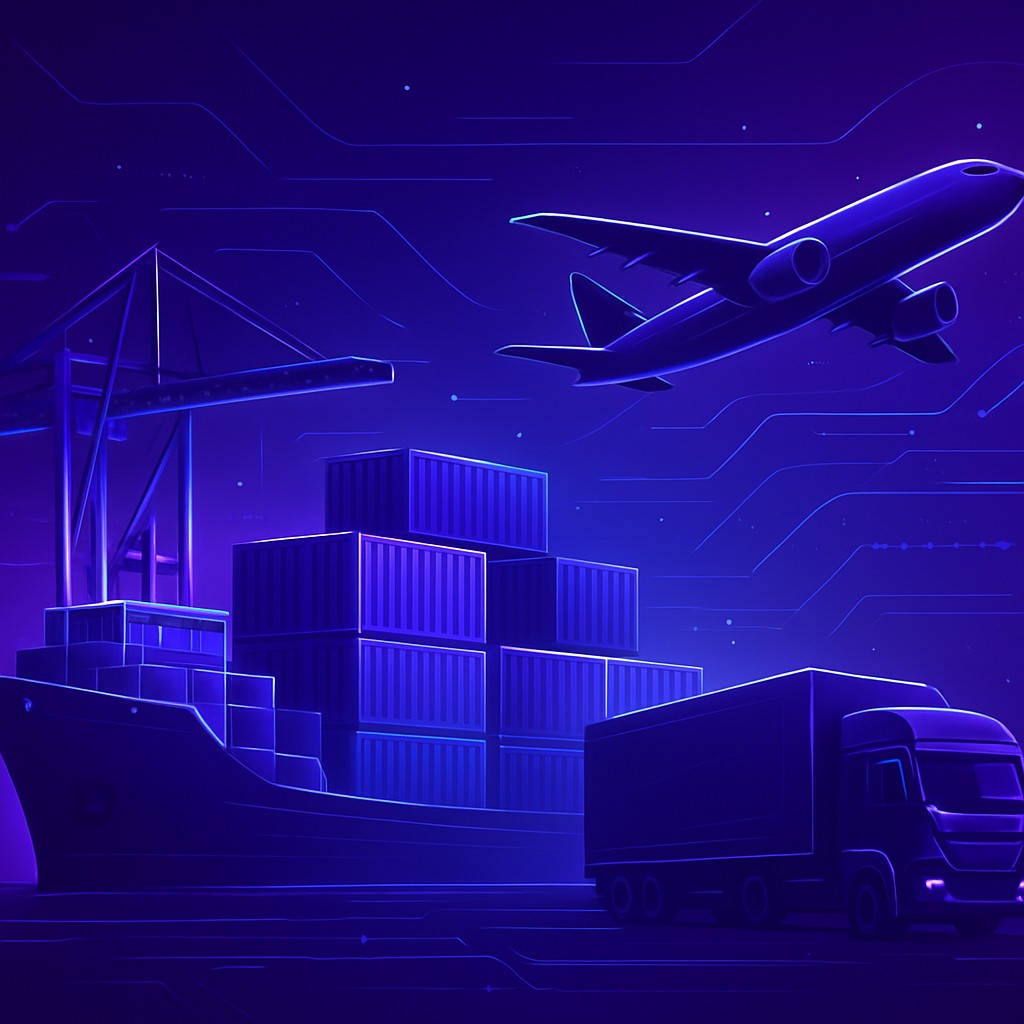
The Role of Freight Companies in Kenya's Economy
As a regional trade hub and the gateway to East Africa, Kenya relies heavily on efficient freight services to keep its economy moving. The Port of Mombasa, one of the busiest in Africa, handles cargo destined not only for Kenya but also for landlocked neighbors such as Uganda, Rwanda, South Sudan, and the Democratic Republic of Congo. Freight companies play a critical role in managing the movement of goods across this complex network, ensuring that imports and exports flow smoothly and reliably.
From customs clearance to multimodal transport, Kenya's freight forwarders provide the expertise and infrastructure that businesses depend on to compete in regional and global markets.
Leading Freight Companies
Several companies have established strong reputations in Kenya's freight sector. Siginon Group is one of the country's largest logistics and freight providers, offering comprehensive services across the region. Bollore Transport & Logistics, with its global network, delivers integrated freight forwarding and supply chain solutions.
Freight Forwarders Kenya and Mitchell Cotts Freight provide established expertise in customs clearance and cargo handling. DHL Global Forwarding and Kuehne+Nagel bring international standards to air and sea freight. Express Shipping & Logistics and Interfreight offer specialized forwarding services, while Acceler Global Logistics and Multiple Hauliers round out the list with strong road freight and distribution capabilities across East Africa.
Types of Freight Services
Freight companies in Kenya offer a wide range of services to meet diverse business needs. Sea freight is central to the industry, given Mombasa's role as a major port, and includes both full-container-load and less-than-container-load options. Air freight provides faster transport for time-sensitive or high-value goods, leveraging Nairobi's position as a regional aviation hub.
Road freight is essential for inland distribution and cross-border transport to neighboring countries, while rail freight has gained importance with the development of modern railway infrastructure. Many companies also offer customs clearance, warehousing, and supply chain management as part of integrated logistics solutions.
What Defines a Quality Freight Company
The best freight companies distinguish themselves through reliability, expertise, and comprehensive service. Reliability is paramount, as businesses depend on timely and predictable delivery to manage inventory and meet customer expectations. Deep knowledge of customs regulations and documentation is equally important, particularly for cross-border trade where delays can be costly.
A strong network and infrastructure, including warehousing, transport fleets, and regional partnerships, enable leading companies to handle complex shipments efficiently. Transparent communication, cargo tracking, and responsive customer support further differentiate top providers, giving clients visibility and confidence throughout the shipping process.
Benefits of Working with Professional Freight Forwarders
Partnering with an experienced freight company offers significant advantages. Expertise in customs and regulatory compliance helps businesses avoid delays, penalties, and unexpected costs. Established networks and economies of scale often result in more competitive shipping rates and better access to carrier capacity.
Professional forwarders also provide valuable risk management, handling documentation, insurance, and contingency planning to protect cargo. For businesses focused on their core operations, outsourcing logistics to a trusted freight partner frees up resources and improves overall supply chain efficiency.
Industry Trends
Kenya's freight sector is evolving in response to growing trade volumes and technological advancements. Digital platforms now enable real-time cargo tracking, electronic documentation, and streamlined customs processing, improving transparency and efficiency. The development of the Standard Gauge Railway has enhanced rail freight options, easing pressure on road networks.
There is also increasing emphasis on integrated, end-to-end logistics solutions as businesses seek single providers capable of managing complex, multimodal supply chains. Sustainability and efficiency are becoming key considerations as the industry modernizes.
Final Thoughts
Freight companies are the engine that drives Kenya's role as a regional trade gateway, ensuring the smooth and reliable movement of goods across land, sea, and air. Leading providers such as Siginon Group, Bollore Transport & Logistics, and DHL Global Forwarding offer the expertise, infrastructure, and reliability that businesses need to thrive. By choosing a reputable freight partner with strong regional networks and regulatory knowledge, companies can optimize their supply chains and compete effectively in East African and global markets.