
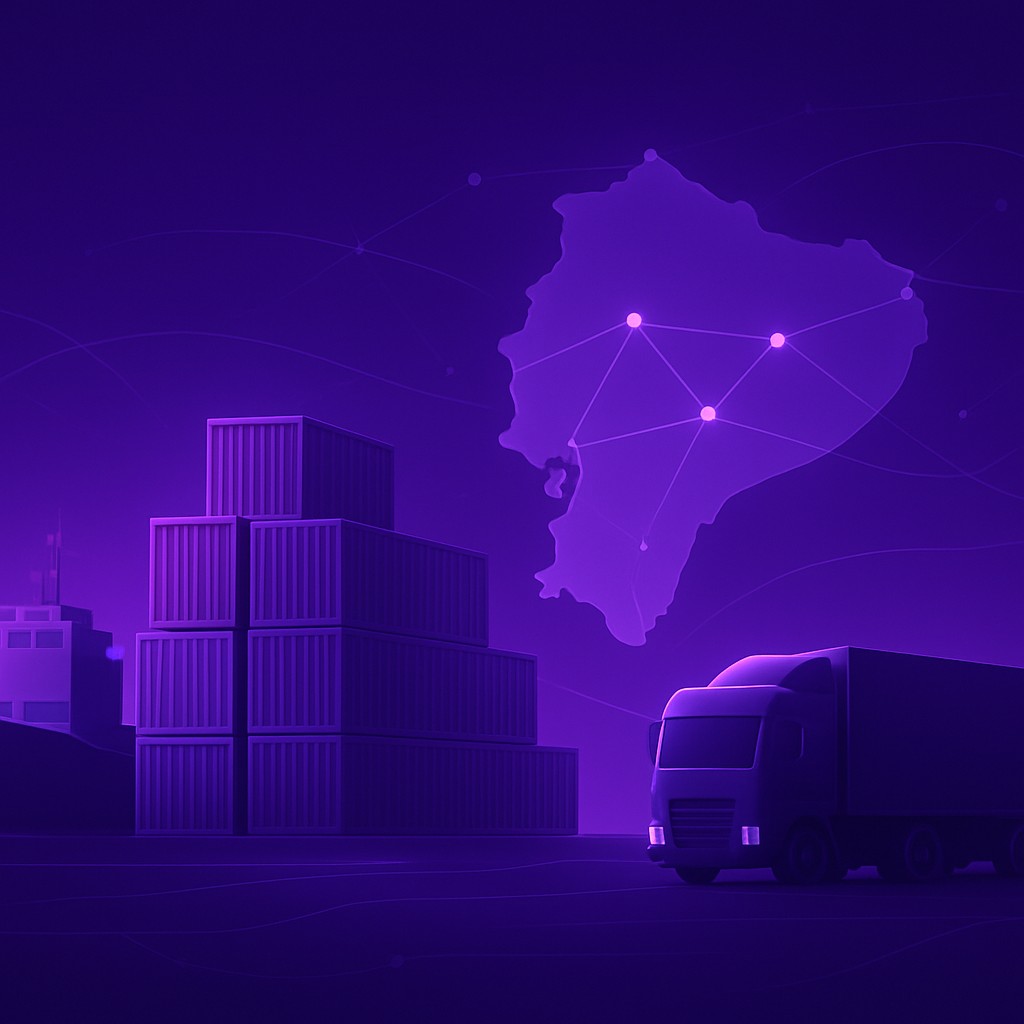
The Engine of Ecuadorian Trade
Freight and logistics companies form the backbone of Ecuador's economy, moving everything from bananas, flowers, and seafood to manufactured goods and imported supplies. As a country with significant exports and a strategic Pacific coastline, Ecuador relies on efficient cargo handling through its ports, airports, and road networks. Reliable freight providers ensure goods reach domestic and international markets safely, on time, and in compliance with customs regulations.
Whether a business needs ocean freight, air cargo, ground transport, or end-to-end supply-chain management, choosing the right logistics partner is critical. The companies below are recognized for their expertise, infrastructure, and dependable service in Ecuador.
Leading Freight and Logistics Companies
DHL operates a strong presence in Ecuador, offering international express, air, and ocean freight services backed by a global network and reliable tracking.
FedEx provides international shipping and logistics solutions, valued for fast, dependable delivery and broad worldwide coverage.
Maersk is a global leader in ocean freight and is heavily involved in Ecuador's export trade, particularly through the port of Guayaquil, known for extensive shipping routes and integrated logistics.
Kuehne + Nagel offers comprehensive freight forwarding by sea, air, and land, praised for sophisticated supply-chain solutions and global reach.
DB Schenker delivers integrated logistics and freight forwarding services, valued for reliability and expertise in handling complex shipments.
Panalpina, now part of a major global network, has long served Ecuadorian businesses with air and ocean freight and customs expertise.
Torres & Torres, a respected local logistics provider, is appreciated for its knowledge of Ecuadorian customs and domestic transport.
Transoceanica specializes in shipping and freight forwarding, supporting Ecuador's import and export flows with established maritime connections.
Logiscorp offers tailored logistics and warehousing solutions for businesses seeking flexible, locally focused service.
Servientrega rounds out the list, providing domestic courier and freight services that keep goods moving efficiently within Ecuador.
What Defines a Strong Freight Partner
The best freight companies combine reliable infrastructure with deep expertise in customs and regulatory compliance. Ecuador's exports, especially perishables like flowers, seafood, and fruit, require careful handling, temperature control, and timely delivery, so experience with cold-chain logistics is a major differentiator. Strong providers also offer transparent tracking, responsive customer service, and the ability to manage documentation smoothly.
Global reach matters for international trade, while local knowledge is essential for navigating Ecuadorian ports, roads, and bureaucracy. The leading companies bridge both, offering integrated services that simplify complex supply chains for their clients.
Trends in Ecuadorian Logistics
Ecuador's logistics sector is evolving alongside global trade and technology. Digitalization is transforming freight management, with real-time tracking, electronic documentation, and data-driven supply-chain optimization becoming standard among leading providers. There is also growing emphasis on cold-chain capabilities to support the country's vital perishable exports.
Sustainability is gaining importance as well, with companies exploring more efficient routing, cleaner transport, and greener warehousing. Meanwhile, e-commerce growth is fueling demand for faster, more flexible domestic delivery, encouraging providers to expand last-mile services. Infrastructure improvements at ports and airports continue to enhance Ecuador's competitiveness in regional and global trade.
Choosing the Right Freight Company
Businesses selecting a freight partner should consider the provider's experience with their specific cargo type, route coverage, customs expertise, and track record for reliability. For perishable goods, cold-chain capabilities and speed are paramount. Transparent pricing, clear communication, and robust tracking systems add significant value. Evaluating a company's infrastructure, network, and reputation helps ensure goods are handled professionally from origin to destination.
The Role of Ports and Trade Corridors
Ecuador's freight industry is closely tied to its key ports and trade corridors. Guayaquil stands as the country's primary commercial port, handling a large share of imports and exports, while other coastal ports support specialized cargo. These maritime gateways connect Ecuadorian goods, including bananas, shrimp, flowers, and cacao, to markets across the Americas, Europe, and Asia. Efficient road networks link inland production areas in the highlands and Amazon to these ports, making coordinated land-and-sea logistics essential for timely delivery.
For exporters of perishable goods, the integration of cold-chain logistics with port and air operations is particularly critical, since even short delays can compromise product quality. Leading freight companies differentiate themselves by managing these handoffs seamlessly, combining warehousing, customs clearance, and transport into a single coordinated process. Importers similarly rely on experienced providers to navigate documentation and clear goods efficiently. Understanding how ports, roads, and airports work together helps businesses appreciate the value that skilled logistics partners bring to keeping Ecuador's trade flowing smoothly.
Final Thoughts
Freight and logistics companies are essential to Ecuador's trade and economic vitality, ensuring goods move efficiently across land, sea, and air. The providers highlighted here are known for their expertise, infrastructure, and dependable service, supporting everything from major exports to domestic deliveries. By choosing a logistics partner aligned with their needs, businesses can streamline their supply chains, meet deadlines, and compete confidently in both local and international markets.