
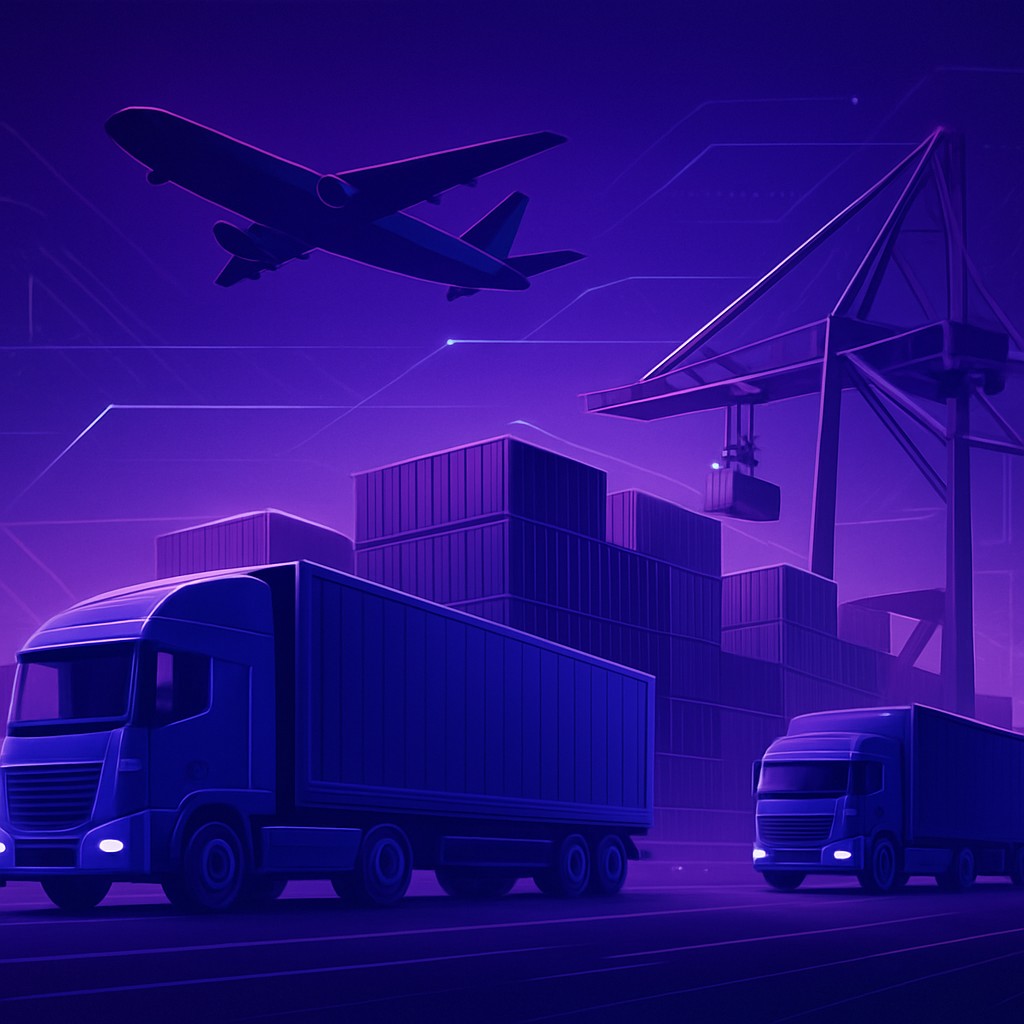
Freight Services Driving Ivorian Commerce
Côte d'Ivoire stands as one of West Africa's leading trade hubs, with the Port of Abidjan serving as a gateway for goods flowing across the region. Freight companies play a pivotal role in this economy, facilitating the movement of cargo by road, sea, and air. From cocoa and coffee exports to imported machinery and consumer goods, reliable freight services keep the wheels of commerce turning.
The freight sector encompasses a wide range of services, including cargo handling, customs clearance, warehousing, and transport coordination. As businesses expand and international trade grows, the demand for efficient and dependable freight providers continues to rise, making this industry a cornerstone of the national economy.
The Role of Freight Companies
Freight companies act as the connective tissue of trade, ensuring that goods move smoothly from origin to destination. They manage complex logistics, navigate customs regulations, and coordinate multiple transport modes to deliver cargo safely and on time. For exporters and importers, partnering with a capable freight provider is essential to maintaining competitiveness and meeting customer expectations.
Beyond simple transport, modern freight companies offer value-added services such as inventory management, supply chain consulting, and specialized handling for sensitive or hazardous materials. This comprehensive approach helps businesses streamline operations and reduce costs.
Leading Freight Companies
Several firms have earned strong reputations in Côte d'Ivoire's freight industry. Bolloré Transport & Logistics Côte d'Ivoire, now operating under the Africa Global Logistics banner, is a dominant player with extensive port operations and integrated logistics solutions. Maersk Côte d'Ivoire provides world-class ocean freight and container shipping services through the Port of Abidjan.
DHL Global Forwarding offers comprehensive air and ocean freight solutions, valued for its global network and reliability. Bolloré Logistics and CMA CGM Côte d'Ivoire are major names in container shipping and multimodal transport, connecting the country to international markets.
Other respected providers include SDV Côte d'Ivoire, known for freight forwarding and customs expertise, and Necotrans, specializing in port and logistics services. Transit Ivoire serves businesses needing customs clearance and cargo coordination, while SAGA Côte d'Ivoire offers integrated freight management. GETMA Côte d'Ivoire rounds out the list, recognized for its port handling and inland transport capabilities.
Modes of Freight Transport
Freight companies in Côte d'Ivoire offer multiple transport modes to suit diverse needs. Road freight remains essential for domestic distribution and regional trade with neighboring landlocked countries such as Mali and Burkina Faso. The well-developed corridor from Abidjan to the interior supports the movement of goods across borders.
Sea freight, centered on the bustling Port of Abidjan and the deepwater port of San-Pédro, handles the bulk of international trade. Containerized shipping, bulk cargo, and specialized vessels support exports of agricultural products and imports of industrial goods. Air freight, while more costly, provides speed for time-sensitive and high-value shipments through Félix-Houphouët-Boigny International Airport.
Customs and Regulatory Expertise
Navigating customs procedures is a critical aspect of freight services. Experienced companies maintain in-depth knowledge of import and export regulations, tariff classifications, and documentation requirements. Their expertise helps clients avoid delays, penalties, and unexpected costs, ensuring goods clear customs efficiently.
This regulatory proficiency is especially valuable for businesses engaged in regional trade, where cross-border logistics can be complex. Freight providers that offer end-to-end customs support give their clients a significant competitive advantage.
Trends Shaping the Industry
The freight sector in Côte d'Ivoire is embracing digital transformation. Online tracking systems, electronic documentation, and integrated logistics platforms are improving transparency and efficiency. Investments in port infrastructure, including expansions at Abidjan and San-Pédro, are increasing capacity and reducing congestion.
Sustainability is also gaining attention, with companies exploring more fuel-efficient transport and optimized routing to reduce environmental impact. These developments position the industry for continued growth as Côte d'Ivoire solidifies its role as a regional trade leader.
Conclusion
Freight companies are indispensable to Côte d'Ivoire's thriving economy, enabling the seamless movement of goods across road, sea, and air. From global leaders like Africa Global Logistics and Maersk to specialized local providers, businesses have access to a robust network of freight solutions. By choosing experienced partners with strong customs expertise and reliable service, companies can navigate the complexities of trade and capitalize on the opportunities offered by this dynamic West African market.