
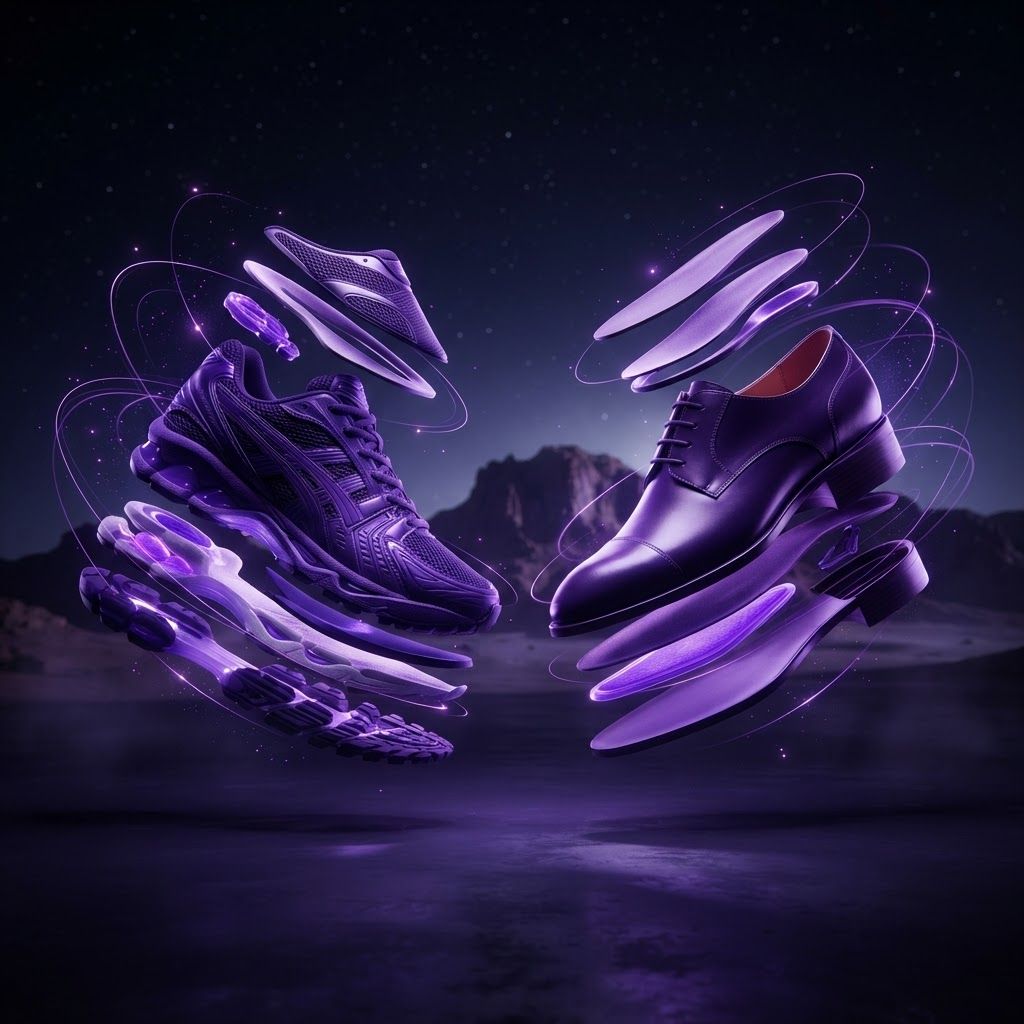
Why Footwear Choices Matter More in the Valley
Tempe puts unusual demands on shoes. Pavement temperatures during summer afternoons can reach levels that degrade adhesives and soften outsole compounds. The surrounding desert offers exceptional hiking on loose, rocky terrain that punishes inadequate traction. A dense, walkable campus and downtown mean many residents cover substantial distances on foot daily. And the region's dust and fine grit work their way into every seam.
Those conditions mean footwear decisions here are functional before they are aesthetic. Breathability, outsole compound durability, and heat management genuinely matter, and residents learn quickly which brands hold up and which fail after a single summer.
How to Choose Footwear for Desert Conditions
Breathability is the primary consideration for daily wear. Mesh uppers, perforated leather, and open-weave constructions allow heat and moisture to escape. Fully waterproof membranes, valuable in wet climates, actively trap heat in the desert and are usually the wrong choice for local conditions outside of monsoon season.
Outsole compound matters for both traction and longevity. Softer rubber grips loose rock better on trails but wears faster on hot pavement. Understanding where you will actually spend most of your miles prevents both premature wear and inadequate grip.
Fit should be assessed with heat in mind. Feet swell noticeably in high temperatures and over long distances, so shoes that fit precisely in a cool store may become uncomfortably tight on a July afternoon. Allowing modest additional room is a practical adjustment local buyers learn to make.
Ten Footwear Brands That Perform in Tempe
1. Hoka
Highly cushioned running and walking shoes that have become ubiquitous among people covering long distances on hard surfaces. Hoka's thick midsoles reduce impact fatigue on pavement, and its breathable engineered mesh uppers suit hot conditions well.
2. Brooks
A running specialist known for reliable fit consistency and a range of support levels across neutral and stability categories. Brooks is frequently recommended by local specialty retailers because its sizing and fit behave predictably across model updates.
3. Merrell
Strong in hiking and trail footwear, Merrell offers ventilated models specifically suited to dry desert trails. Its wider toe box options and durable outsoles perform well on the loose rock characteristic of Phoenix-area preserves.
4. Salomon
A technical trail brand with aggressive outsole designs that excel on steep, loose terrain. Salomon's quick-lace systems and precise fit appeal to serious hikers and trail runners tackling the more demanding routes around the Valley.
5. Chaco
Adjustable strap sandals built for durability and water compatibility, Chaco footwear suits the extended sandal season the region effectively enjoys year-round. Supportive footbeds distinguish it from casual flip-flop alternatives.
6. Teva
Another desert-appropriate sandal specialist with roots in southwestern outdoor culture, Teva balances hiking capability with everyday wearability. Its lighter weight makes it a common choice for casual daily use.
7. On
A Swiss performance brand recognized for distinctive cushioning technology and notably breathable uppers. On has gained strong traction among runners and among wearers who want athletic performance in a design suited to casual settings.
8. Birkenstock
Contoured cork footbeds that mold to the wearer over time make Birkenstock a durable and comfortable option for extended everyday wear. Its open construction suits the climate and its longevity offsets the initial cost.
9. Vans
A mainstay of campus and skate culture, Vans delivers affordable, versatile casual footwear with strong style variety. Its canvas constructions breathe reasonably well, making it a practical everyday option for students.
10. Desert Sole Footwear
An independent regional brand designing shoes and sandals specifically for southwestern conditions, with heat-resistant outsole compounds and highly ventilated constructions. Local design knowledge shows in details that national brands often overlook.
Trends in Footwear
The line between performance and lifestyle footwear has essentially dissolved. Running shoes are worn to offices and restaurants, and brands now design with that dual use in mind, offering technical cushioning in colorways and silhouettes appropriate beyond the gym.
Wider toe boxes have gained mainstream acceptance following years of advocacy around foot health. Even conventional brands now offer anatomically shaped options, which particularly benefits people walking long distances in heat when feet swell.
Sustainability initiatives including recycled uppers, bio-based foams, and resole programs are expanding across the category, though durability remains the most meaningful environmental factor since a shoe that lasts twice as long halves its footprint regardless of materials.
Buying Advice
Shop late in the day when feet are naturally at their largest, and bring the socks you actually intend to wear. Walk on a hard surface rather than showroom carpet, which flatters cushioning and disguises fit problems.
Rotate between two pairs if you walk or run daily. Midsole foam needs recovery time between uses, and alternating pairs extends the life of both considerably. Finally, replace running shoes based on accumulated mileage rather than appearance. Cushioning degrades invisibly, and worn-out shoes cause more injuries in the Valley's hard-surface environment than almost any other equipment factor.