
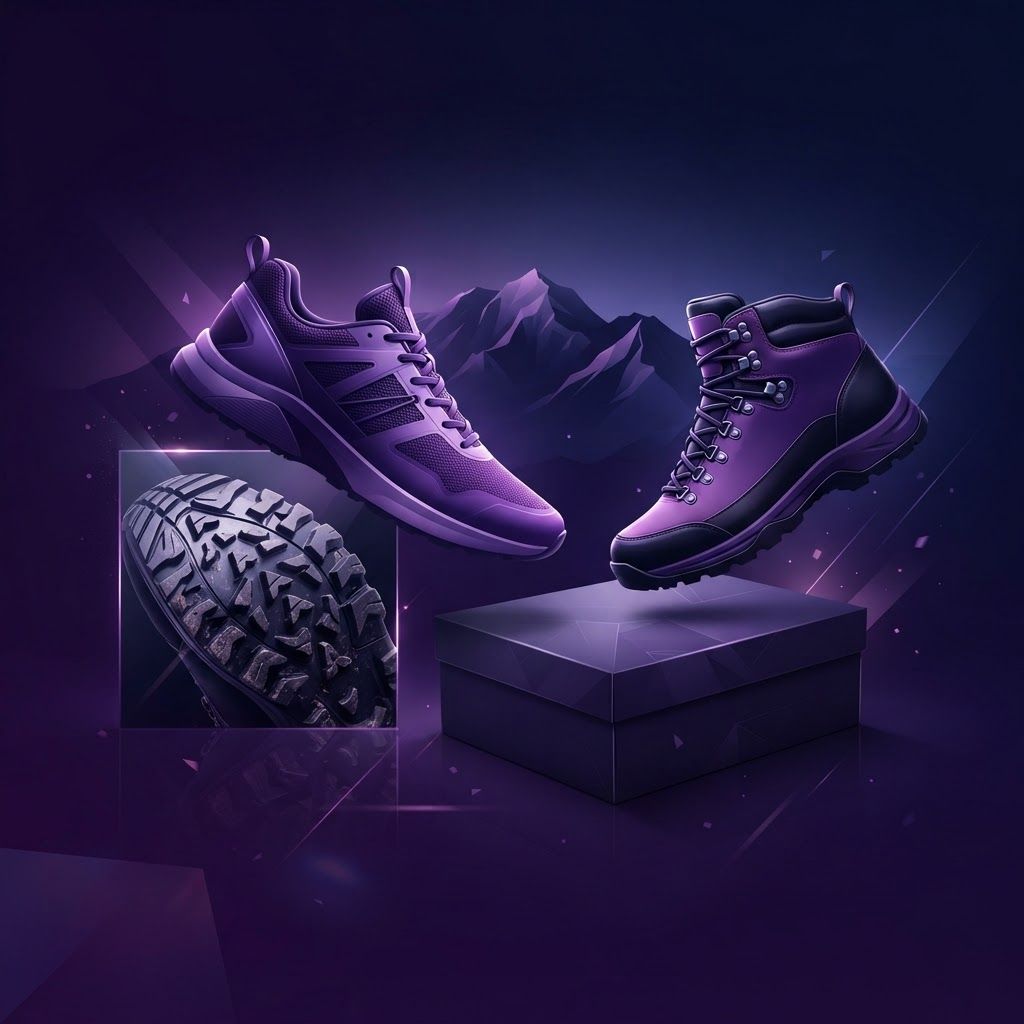
Why Footwear Matters in Salt Lake City
Few American cities test footwear as thoroughly as Salt Lake City. Within a thirty minute drive, terrain shifts from urban pavement to canyon trails to alpine snowfields. Winter brings ice, slush and salted sidewalks; summer brings hot, dusty, rocky trails and desert slickrock a few hours south. Residents commonly own several pairs serving genuinely different purposes rather than one all-around shoe.
The city also happens to sit at the heart of the American outdoor industry, with major brands maintaining offices, testing programs and flagship retail here. The result is unusually knowledgeable local retail staff and access to essentially every serious footwear brand.
1. Hoka
Hoka transformed running footwear by demonstrating that substantial cushioning could improve rather than compromise performance. Its maximalist midsoles absorb impact effectively, which matters for runners logging miles on concrete and for anyone who spends long days standing. The Speedgoat trail model has become something of a standard in the Wasatch, offering aggressive traction with the brand's characteristic cushioning on descents that punish joints.
2. Salomon
Salomon dominates technical trail running and hiking, and its presence on Wasatch trails is unmistakable. The brand's quick-lace systems, precise midfoot hold and Contagrip outsoles deliver confident footing on the loose rock and steep grades typical of local terrain. Salomon also produces excellent ski boots, which gives it a rare dual credibility in a city where both activities matter equally.
3. Merrell
Merrell occupies the practical center of the hiking market, offering durable, comfortable boots and shoes at reasonable prices with minimal break-in required. The Moab line has sold in enormous volume for the simple reason that it fits a wide range of feet and works immediately out of the box. For casual hikers, dog walkers and anyone who wants one capable outdoor shoe rather than a specialized quiver, Merrell is a sensible default.
4. Danner
Danner builds boots the traditional way, with stitchdown construction and resoleable designs intended to last decades rather than seasons. For working professionals, hunters, wildland crews and anyone hard on footwear, that repairability changes the economics entirely. The brand's Mountain Light line has become a design icon while remaining genuinely functional, and its waterproof leather handles Salt Lake City's winter slush well.
5. Brooks
Brooks concentrates almost exclusively on running, and that focus produces consistently well-engineered shoes. Its Ghost and Glycerin models are frequently recommended by specialty running stores for neutral runners, while its stability options serve those needing pronation support. Brooks also maintains unusual model-to-model consistency, meaning a runner who finds a good fit can generally repurchase the next version without unpleasant surprises.
6. La Sportiva
La Sportiva serves the technical end of mountain footwear: climbing shoes, mountaineering boots, approach shoes and ski touring boots. For the substantial Salt Lake City community engaged in serious alpine pursuits, the brand's precision fit and Italian construction are the standard. Its climbing shoes in particular offer the edging sensitivity that Wasatch granite and Utah sandstone both demand, though the fit runs distinctly narrow.
7. Sorel
Winter in Salt Lake City requires footwear that handles cold, wet and slippery conditions simultaneously, and Sorel built its reputation on exactly that. Its insulated waterproof boots keep feet warm through inversion-season cold while offering traction on packed snow and ice. The brand has also developed considerable style range, so winter competence no longer requires abandoning appearance entirely.
8. Vans
Vans anchors the everyday and skate segment, and its cultural footprint in Salt Lake City is significant given the city's active skate and snowboard community. The shoes are simple, affordable and endlessly wearable, and the brand's snowboard boot line brings the same design sensibility to the mountain. For casual wear that survives regular abuse without significant investment, Vans remains hard to beat.
9. On Running
On has grown rapidly by offering a distinctive ride feel through its CloudTec cushioning and by pairing performance with design that works off the trail. Its road and trail models compete directly with established brands, and its everyday sneakers have found a substantial audience among people who want technical comfort without athletic-shoe aesthetics. The brand's Swiss engineering emphasis extends to genuinely thoughtful upper construction.
10. Keen
Keen is best known for toe protection and water-friendly designs, which suit Utah's canyon hiking, river activities and summer heat particularly well. Its sandals and hybrid shoes handle wet slot canyons and rocky creek beds where traditional boots become liabilities. Keen also produces solid work footwear, and the brand's wider toe box is a genuine relief for people whose feet do not fit the narrow shapes many manufacturers favor.
Trends in Footwear
Several developments deserve attention. Cushioning has increased across nearly every category as manufacturers respond to demand for comfort during long wear. Trail running shoes have largely displaced heavy hiking boots for day hiking, since lighter footwear reduces fatigue substantially and modern outsoles provide adequate traction. Sustainability has entered footwear through recycled materials, plant-based components and resoling programs. Finally, the wide toe box movement has gained real traction, with more brands offering natural foot-shaped lasts rather than tapered ones.
How to Choose the Right Footwear
Start with terrain and duration. Pavement running, technical trails, day hiking, multi-day backpacking and winter commuting each favor different construction, and no single shoe handles all of them well. Get measured properly, including length, width and arch length, since foot dimensions change over the years. Shop late in the day when feet have swollen slightly, and bring the socks you actually wear. Allow roughly a thumb's width of space ahead of your longest toe for downhill hiking, where feet slide forward. Finally, replace running shoes based on mileage rather than appearance, since midsole cushioning degrades long before the upper looks worn.
Final Thoughts
Salt Lake City's terrain and climate justify owning purpose-specific footwear, and the local retail environment makes finding the right pair unusually easy. Hoka and Brooks anchor road running, Salomon and La Sportiva handle technical mountain terrain, Merrell and Keen cover accessible hiking, Danner delivers long-term durability, and Sorel manages winter. Match construction to terrain, get the fit right, and your feet will keep up with everything the Wasatch offers.