
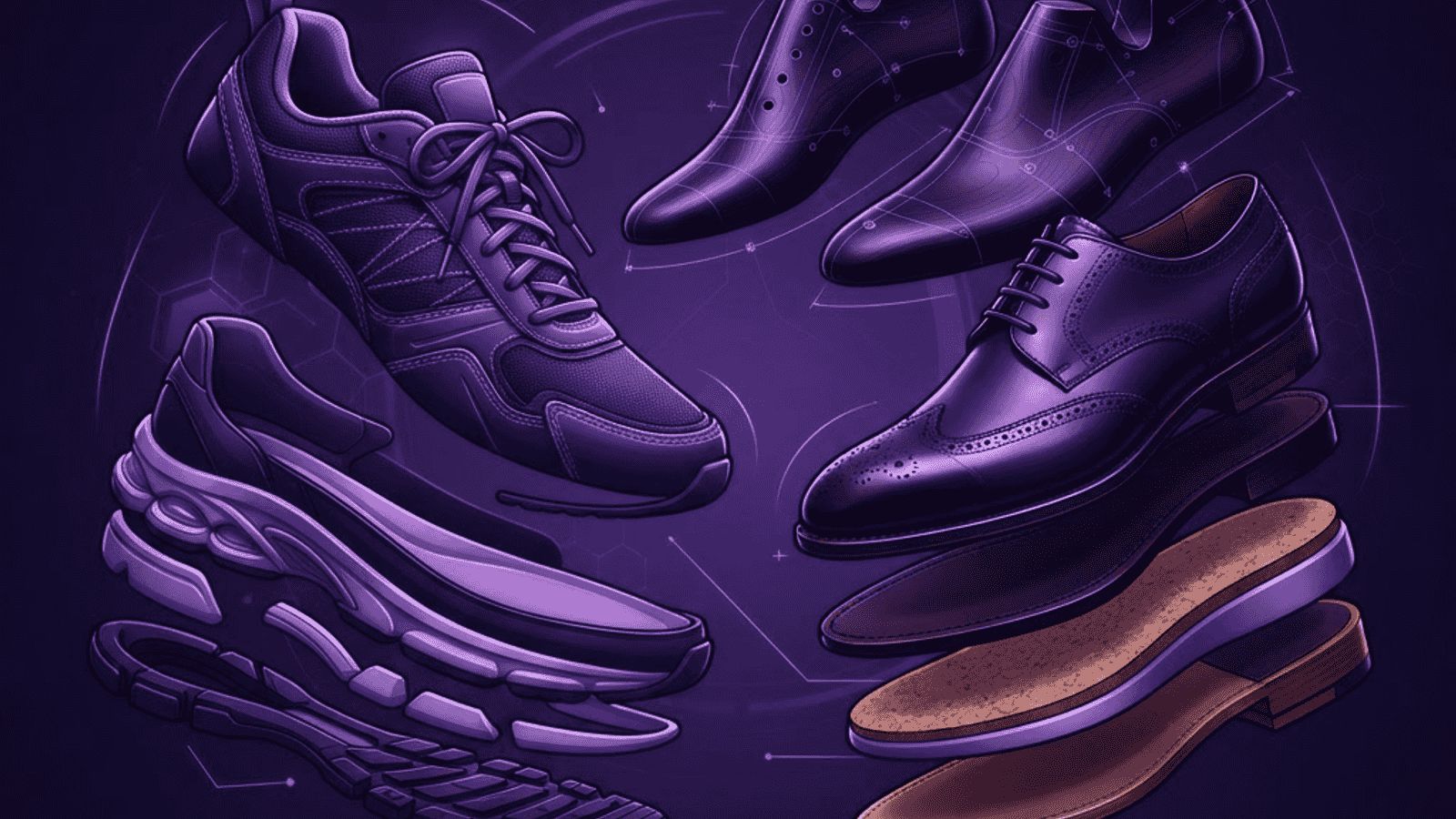
Why Footwear Matters in Newark
Newark is a walking city with a working core. Residents commute through transit hubs, cover long distances on foot, work shifts in warehouses and at the port, and attend professional and social occasions that call for polished shoes. Winters bring salt and slush, summers bring heat on concrete, and pavement is unforgiving year-round. In that environment footwear is functional equipment as much as it is a style decision.
The local market reflects this reality. Sneaker culture is deeply rooted, with a knowledgeable customer base that understands materials and construction. Workwear footwear has genuine industrial demand tied to logistics and construction employment. Dress shoe expertise persists through tailoring and cobbling traditions carried by the city's immigrant communities. The result is a market where quality is recognized and poor construction is quickly identified.
Ten Footwear Brands to Consider
1. Ironbound Boot Company produces resoleable work and service boots with welted construction, aimed at wearers who expect to keep a pair for years through repair rather than replacement.
2. Brick City Sneaker Lab designs limited-run court and runner silhouettes with quality leather and durable outsoles, appealing to a local sneaker community that examines details closely.
3. Passaic Shoemakers offers hand-finished dress shoes and bespoke fitting, along with resoling and restoration services that extend the life of quality footwear considerably.
4. Gateway Athletic Footwear focuses on running and training shoes with attention to gait analysis and cushioning selection rather than only appearance.
5. Portside Safety Footwear supplies composite and steel toe boots, slip-resistant and electrical-hazard rated options for port, warehouse and construction work.
6. Halsey Street Shoe Studio produces womenswear footwear with an emphasis on comfortable last shapes, supportive heel construction and a genuinely wide size range.
7. Newark Leather Loafer Company specializes in unlined and lightly lined loafers and slip-ons using vegetable-tanned leather that develops character with wear.
8. Broad Street Weatherproof Footwear makes insulated and waterproof boots designed for Northeast winter conditions, including salt-resistant finishes.
9. Weequahic Kids Footwear concentrates on children's shoes with proper width fitting and flexible soles appropriate to developing feet.
10. Newark Orthopedic Shoe Fitters completes the list, providing therapeutic footwear, custom orthotics and modification for diabetic and structural foot needs.
Trends in the Footwear Industry
Repairability has become a genuine differentiator. Goodyear-welted and stitched-down constructions allow resoling, which changes the economics of a purchase entirely, since a resoleable boot bought once and maintained for a decade often costs less annually than cemented shoes replaced yearly.
Comfort technology has migrated from athletic into dress and work categories. Cushioned midsoles, anatomical footbeds and lighter outsole compounds now appear in shoes that would once have been rigid, which matters for anyone standing or walking all day.
Sustainability has produced practical innovation rather than only marketing, including recycled textile uppers, chrome-free tanning, water-based adhesives and take-back recycling programs. Meanwhile, fit technology such as three-dimensional foot scanning has improved online and in-store sizing accuracy, reducing the returns that plague footwear retail.
How to Judge Footwear Quality and Fit
Construction method is the first thing to identify. Look at how the upper joins the sole: visible stitching around the welt indicates a resoleable shoe, while a smooth glued joint usually does not. Leather quality matters equally, with full-grain leather outperforming corrected or bonded materials in both durability and appearance over time.
Fit requires attention to width, not only length. Many discomfort complaints stem from correct length in an inadequate width, and brands offering multiple widths solve problems that insoles cannot. Try shoes late in the day when feet are slightly larger, wear the socks you intend to use, and check that the widest part of the foot sits at the widest part of the shoe.
For safety footwear, verify the specific hazard ratings required by your workplace rather than assuming a boot qualifies. For athletic shoes, prioritize an appropriate fit and comfortable ride over stated technology, since research consistently shows comfort predicts injury outcomes better than category labels.
Getting Long-Term Value
Maintenance extends footwear life dramatically. Rotating between two pairs allows drying and recovery between wears, cedar shoe trees absorb moisture and hold shape, and regular conditioning prevents leather cracking. In a city that salts sidewalks heavily, wiping salt off leather promptly prevents permanent damage.
Newark's cobbling and repair infrastructure is a real advantage, making resoleable footwear a more sensible investment here than in places without that expertise. Buyers who choose construction quality, insist on proper width fitting and maintain what they own get far better value than those replacing cheaper shoes repeatedly.
Building a functional footwear rotation is more useful than accumulating pairs. Most people are well served by four categories: a durable everyday walking shoe, a weather-resistant boot for winter, a polished pair for professional and formal occasions, and a purpose-built athletic shoe if training is part of the routine. Work environments add safety footwear with the specific ratings the job requires. Choosing quality within each category, rather than many inexpensive pairs across all of them, reduces both cost per wear and the foot problems that come from unsupportive shoes worn daily. Given how much walking Newark life involves and how harsh its winters are, footwear is one of the few purchases where spending deliberately reliably pays for itself.