
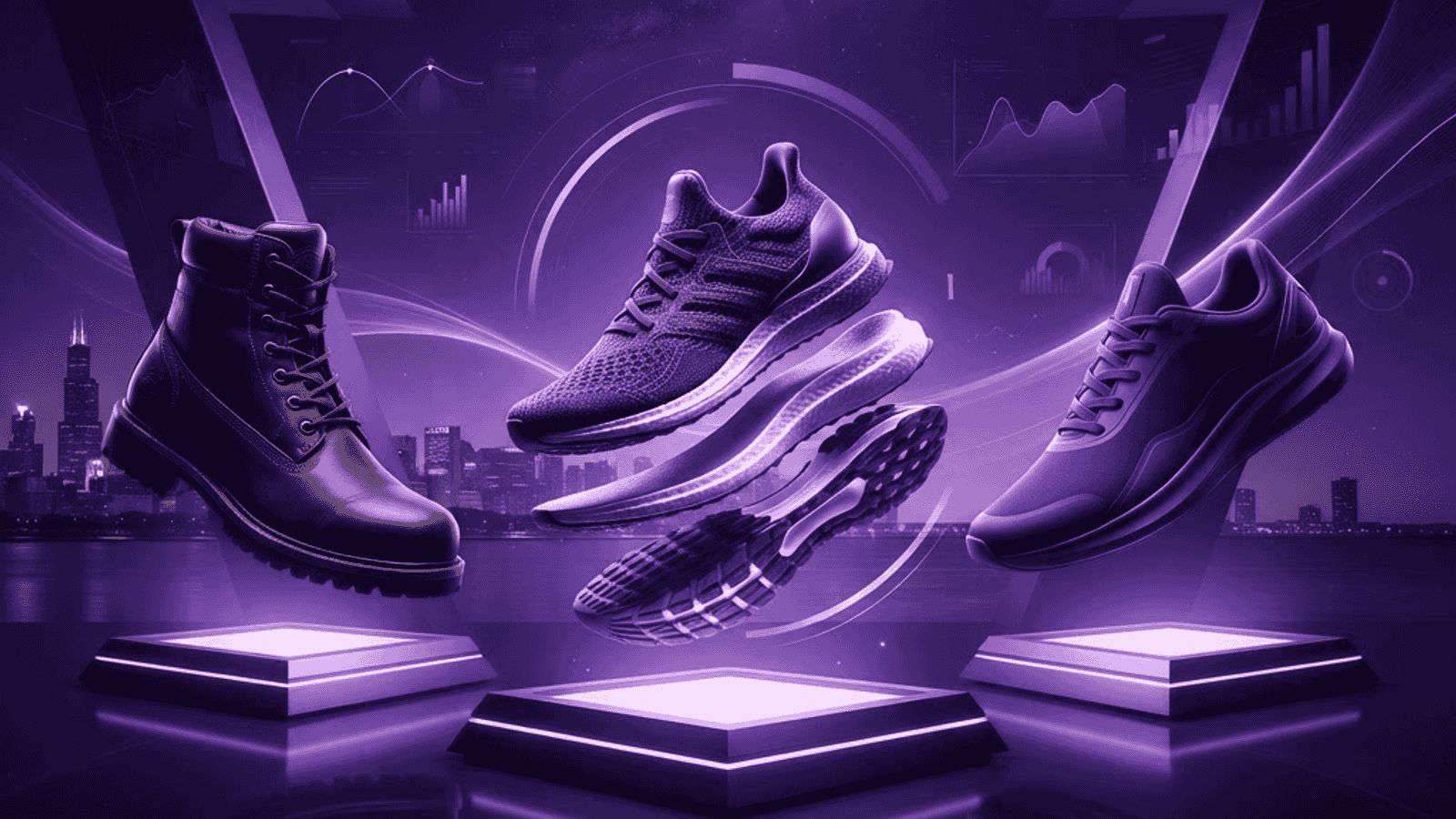
Why Footwear Is a Serious Purchase in Madison
Few cities test shoes as thoroughly as Madison. Winter brings snow, slush, freeze-thaw ice and the road salt that destroys leather and adhesives. Spring turns paths to mud, summer delivers humidity that punishes non-breathable materials, and autumn adds rain to long walking commutes. Add a population that walks and cycles heavily, particularly around the university and the isthmus, and footwear here absorbs far more abuse than in most markets.
The practical consequence is that Madison residents typically own several distinct pairs rather than one versatile shoe: an insulated winter boot with real traction, a waterproof shoulder-season option, a breathable summer choice and something appropriate for professional settings. Brands earn loyalty by surviving that rotation for multiple years rather than by looking good in a single season.
Ten Footwear Brands That Perform in Madison
Sorel is a winter standard for good reason. Its insulated, waterproof boots handle deep snow and extended cold, and the removable liners in many models make drying between wears straightforward.
Merrell covers the hiking and everyday waterproof category with strong all-season versatility. Its trail and walking shoes are common choices for campus commutes and Ice Age Trail day hikes alike.
Red Wing Shoes brings Minnesota heritage construction and genuine resolability. A well-maintained pair can serve for many years, which appeals to Madison buyers who prefer investment purchases over replacements.
Keen is recognized for roomy toe boxes, waterproof membranes and durable outsoles. Its winter boots and waterproof shoes work well for people who spend long hours on their feet outdoors.
Blundstone occupies a useful middle ground with slip-on Chelsea boots that handle wet weather, look acceptable in professional settings and require little maintenance beyond conditioning.
Brooks serves Madison's substantial running community with well-cushioned road shoes and consistent fit across model generations, an important factor for runners logging miles on the lakeside paths.
Hoka has gained ground among both runners and walking commuters for maximal cushioning that reduces fatigue on hard urban surfaces and long standing shifts.
Salomon focuses on technical trail performance, offering aggressive traction and weather protection that translates well to icy, uneven winter conditions as well as trail use.
Birkenstock handles the summer half of the year, providing breathable, supportive footbeds that suit humid Wisconsin months and mold to the wearer over time.
Local Cobblers and Shoe Repair Shops deserve inclusion as part of the footwear ecosystem. Resoling, salt damage restoration, stretching and waterproofing services extend the life of quality shoes considerably, and Madison's repair culture keeps these businesses busy.
Trends Shaping the Local Footwear Market
Winter traction technology has advanced meaningfully. Rubber compounds engineered to stay pliable at low temperatures, along with siped and micro-glass reinforced outsoles, deliver noticeably better grip on ice than conventional designs. For residents walking downtown sidewalks in February, this is the single most consequential specification.
Resolability and repair have returned as purchase criteria. Buyers increasingly ask whether a boot can be rebuilt, and brands with genuine welted construction or established repair programs benefit. Given that road salt shortens shoe life dramatically, the ability to restore rather than replace changes the long-term math.
Comfort technology developed for running has spread into everyday footwear, with cushioning platforms and rocker geometries appearing in walking and work shoes. For a walking city with long commutes, that migration has been welcome. Sustainability is also visible in recycled materials and take-back programs, though durability remains the more impactful environmental factor.
How to Buy Footwear for Wisconsin Conditions
For winter, evaluate three things in order: waterproofing, insulation rating and outsole traction. A boot that keeps feet dry but slides on ice fails at the most important task, so treat the sole compound and tread pattern as primary rather than secondary. Consider adding removable traction devices for the worst ice weeks, since they outperform almost any outsole.
Plan for salt. Rinse and condition leather regularly through winter, apply appropriate protectant before the season, and rotate pairs so each can dry fully. Wet insulation loses much of its effectiveness, and boots worn on consecutive days rarely dry completely.
Size with layering in mind. Winter boots should accommodate a heavier wool sock without compressing it, because circulation matters more than insulation thickness for keeping toes warm. For running and walking shoes, favor fit and gait suitability over brand loyalty, and replace them when cushioning compresses rather than when the upper wears out.
Finally, build a small rotation rather than seeking one perfect shoe. A winter boot, a waterproof shoulder-season shoe, a breathable summer option and one professional pair will outlast and outperform any single compromise choice.
Final Thoughts
Madison's footwear market is driven by weather, walking and repair. Sorel, Keen and Salomon handle winter, Merrell and Blundstone cover the transitional months, Brooks and Hoka serve running and long-distance walking, Red Wing rewards long-term investment, and Birkenstock manages humid summers. Pairing the right brand to the right season, protecting leather from salt and using local repair services when possible is the most cost-effective path to comfortable feet through a full Wisconsin year.