
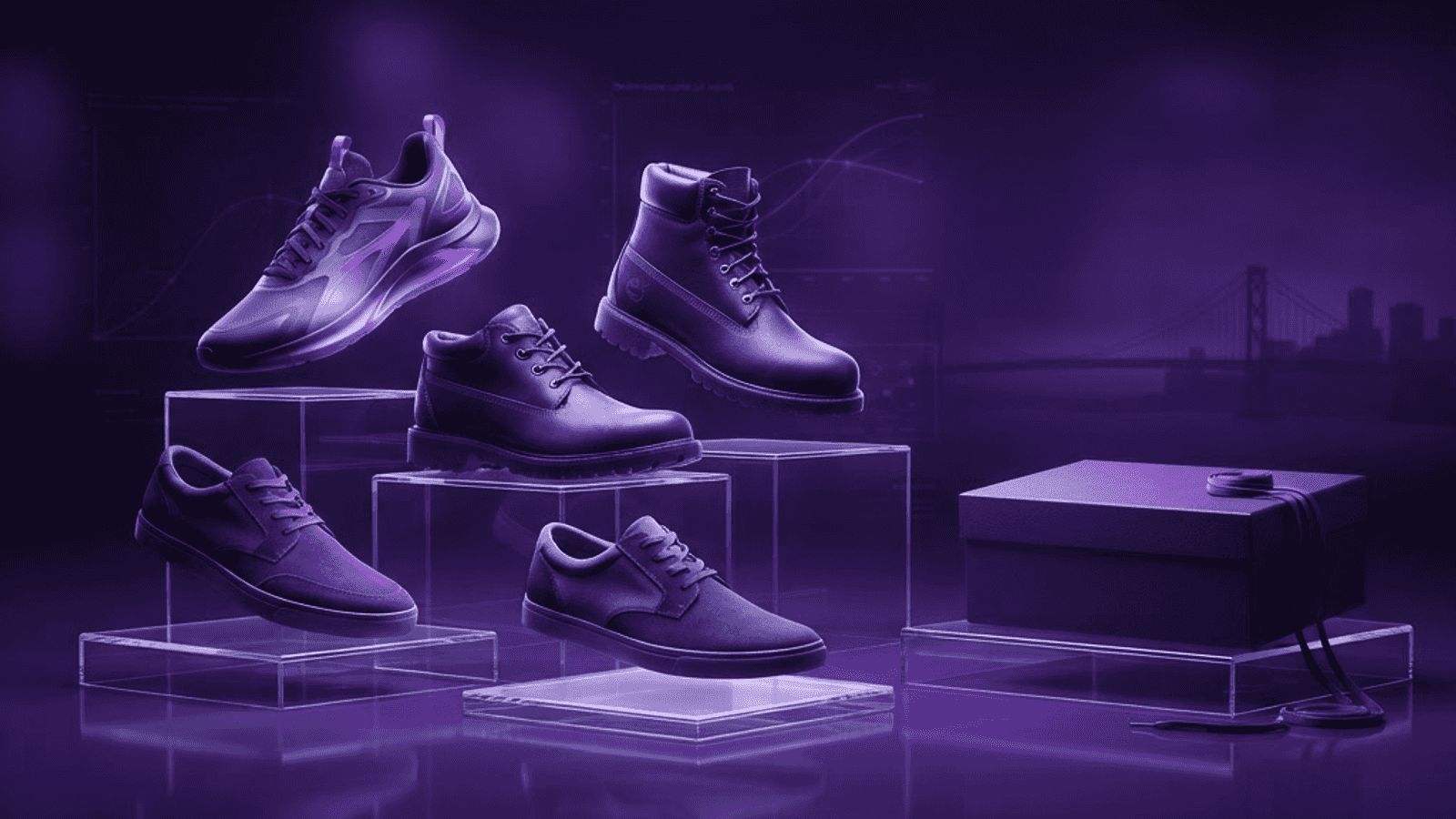
Why Footwear Choices Matter in Cincinnati
Cincinnati presents real footwear demands. Winters bring cold, slush and ice. Summers are humid enough that breathability matters. The city's hills mean genuine elevation change on ordinary walks, and its brick and cobblestone streets in historic districts punish thin soles. Add a strong running culture anchored by major annual races and a substantial professional workforce, and the result is a market where quality footwear is genuinely useful rather than merely aspirational.
Local retail reflects this. Specialty running stores with fitting expertise, outdoor retailers stocking weatherproof boots, sneaker boutiques serving collectors, comfort footwear specialists serving healthcare and service workers, and cobblers who repair rather than replace all operate in the area. The combination lets buyers make informed decisions instead of guessing online.
The Top 10 Footwear Brands Available in Cincinnati
1. Brooks
Brooks holds a dominant position in Cincinnati's running community, largely because specialty running retailers here recommend it heavily for its consistent fit and reliable cushioning. Its road running models suit the long training miles the local race calendar encourages. Predictable updates between model generations make repurchasing low risk.
2. New Balance
New Balance succeeds locally on two fronts: technical running shoes and heritage lifestyle sneakers. Its multiple width options are a genuine advantage for buyers whose feet do not fit standard sizing, which is a large share of the population. Some models are made domestically, which appeals to buyers valuing manufacturing provenance.
3. Hoka
Hoka's maximal cushioning approach gained rapid adoption among runners managing joint stress and among healthcare workers on their feet for long shifts. The thick midsole reduces impact fatigue noticeably on hard urban surfaces. Its crossover into everyday wear has been substantial.
4. Timberland
Timberland's waterproof boots remain a practical staple for Cincinnati winters, offering insulation and traction through slush and cold. The brand also carries genuine cultural weight in urban style. Leather quality and resoleability vary by line, so buyers should check construction before assuming repairability.
5. Red Wing Heritage
For buyers wanting boots that last years and can be resoled repeatedly, Red Wing represents the durable end of the market. Welted construction allows genuine resoling rather than replacement, which changes the cost calculation entirely over a decade. Break-in requires patience, but the leather molds to the wearer permanently.
6. Nike
Nike's breadth covers running, basketball, training and lifestyle categories, and its cultural presence in a sports-oriented city is unmatched. Basketball heritage models remain popular locally. Its performance running line has become genuinely competitive again after several strong technology cycles.
7. Adidas
Adidas competes strongly in lifestyle sneakers and soccer footwear, both relevant in a city with growing soccer enthusiasm. Its knit uppers offer comfort advantages for everyday wear. Sustainability initiatives incorporating recycled materials have become a meaningful part of its positioning.
8. Dansko and Comfort Footwear Brands
Cincinnati's large healthcare employment base creates real demand for occupational comfort footwear. Brands in this category prioritize arch support, shock absorption, slip resistance and all-day wearability over fashion. For workers standing ten hours daily, these are medical equipment as much as clothing.
9. Merrell and Outdoor Footwear Brands
With extensive regional parks, river trails and nearby hiking, outdoor footwear sees genuine use here. These brands provide hiking shoes and boots with traction outsoles, waterproof membranes and stability for uneven terrain. Many buyers use them as winter city shoes for exactly the same features.
10. Local Custom and Repair Focused Footwear Makers
Small-scale makers and cobblers in the area produce custom footwear and, more commonly, extend the life of quality shoes through resoling, stretching, patching and refinishing. Repair is dramatically cheaper than replacement for well-constructed shoes. These businesses also advise buyers on which construction methods are worth investing in.
Getting Fit Right
Fit determines comfort more than any technology claim. Have both feet measured, since length, width and arch length frequently differ between them, and fit the larger foot. Shop later in the day when feet have naturally swollen, and bring the socks you actually intend to wear. Allow roughly a thumb's width of space ahead of the longest toe for walking and running shoes, since feet elongate under load.
Width matters as much as length, and squeezing a wide foot into a standard width causes bunions, neuromas and nail damage over time. If a shoe requires a break-in period to stop hurting, it is usually the wrong shape rather than merely stiff. Specialty retailers who watch you walk and assess your gait provide information no online size chart can replicate.
Seasonal Selection
Winter demands waterproofing, insulation and traction. Look for sealed seams, a waterproof membrane and outsole rubber that stays flexible in cold, since hard compounds lose grip on ice. Salt exposure damages leather, so treating boots with a protectant and cleaning salt residue promptly extends life considerably.
Summer humidity favors breathable uppers in mesh or unlined leather, along with moisture-managing socks. Rotating between two pairs allows each to dry fully, which prevents odor and extends midsole life. For running specifically, replacing shoes based on accumulated mileage rather than appearance prevents the gradual cushioning loss that leads to injury.
Making Shoes Last
Rotate pairs rather than wearing one daily, giving foam midsoles time to decompress. Use a shoe horn and unlace properly rather than forcing heels in and out, which breaks down heel counters. Cedar shoe trees absorb moisture and hold shape in leather footwear. Clean and condition leather periodically, and resole welted footwear before the midsole is damaged, since waiting until the outsole wears through turns a simple repair into an expensive one.
Trends in Footwear
Comfort-first design has fully crossed into style categories, with cushioned platforms now mainstream rather than orthopedic. Repairability and resoleability have gained new attention as buyers reconsider disposable footwear. Recycled and bio-based materials appear increasingly across major brands. Hybrid shoes designed to work for both commuting and light athletic use continue to grow as work dress norms relax.
Final Thoughts
Cincinnati's climate and terrain reward footwear chosen for function first. Get properly fitted at a specialty retailer, buy waterproof traction for winter and breathable options for summer humidity, and invest in construction that can be resoled. A local cobbler will often save you far more money than a sale price ever will.