
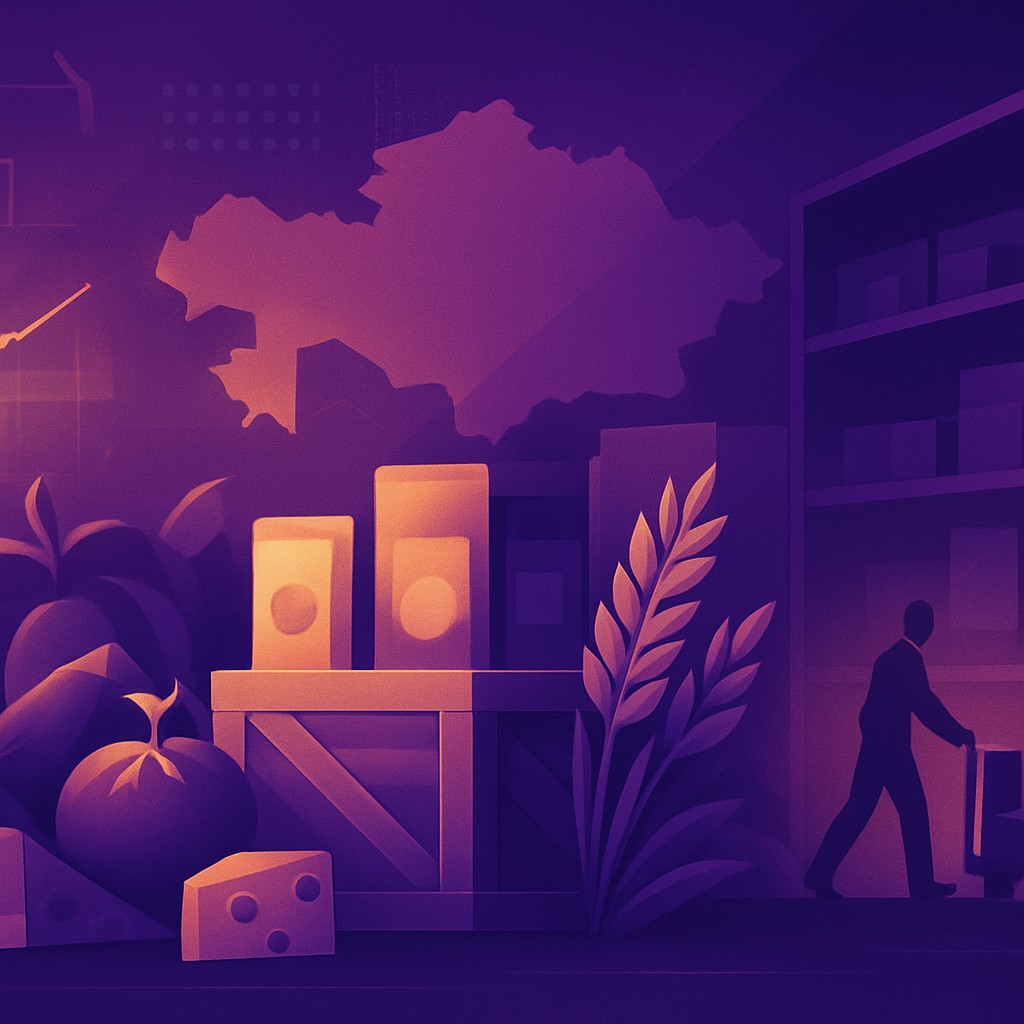
Feeding a Growing Nation
Uzbekistan's food sector is vast and vital, supported by fertile agricultural land that produces grains, fruits, vegetables, and livestock products. Connecting this abundance to consumers are food wholesalers, who source, store, and distribute products to retailers, restaurants, and institutions across the country. Their role is essential to maintaining a steady, reliable food supply.
As urbanization accelerates and consumer demand diversifies, food wholesalers have expanded their operations, investing in warehousing, cold storage, and logistics to handle both domestic produce and imported specialty goods.
The Scope of Food Wholesaling
Food wholesalers in Uzbekistan handle a wide range of products. These include staple grains and flour, fresh fruits and vegetables, dairy products, meat, cooking oils, beverages, and packaged goods. Some wholesalers focus on specific categories such as produce or dry goods, while others maintain broad inventories serving supermarkets and bazaars alike.
Cold chain management has become increasingly important, particularly for perishable items, ensuring freshness and reducing waste throughout the distribution process.
Notable Food Distributors
Several companies stand out in the sector. Makro operates as both a retailer and significant wholesale distributor, supplying products across multiple regions. Korzinka maintains extensive supply operations supporting its retail network and wholesale clients. Bravo Supermarket also engages in large-scale food distribution.
Other respected names include Uzbekoziqovqatholding, a major player in food production and distribution, and various regional wholesalers specializing in grains, oils, and packaged goods. Together, these companies form the backbone of the nation's food supply chain.
Quality, Safety, and Standards
Food safety is a top priority for reputable wholesalers. Leading distributors implement strict hygiene standards, proper storage conditions, and traceability systems to ensure products reach consumers in good condition. Compliance with food safety regulations builds trust with retailers and protects public health.
Investment in modern warehouses, refrigeration, and inventory management has improved the reliability and quality of food distribution, enabling wholesalers to serve a wider geographic area with confidence.
Trends Transforming Food Distribution
The food wholesale sector is evolving rapidly. The growth of supermarkets and organized retail has increased demand for reliable, large-scale suppliers. E-commerce and online grocery services are emerging, prompting wholesalers to adapt their logistics. There is also rising interest in locally sourced, fresh, and packaged convenience products.
Wholesalers that invest in cold chain infrastructure, efficient logistics, and diverse product ranges are well positioned to meet these evolving demands and capture market share.
Choosing a Food Wholesale Partner
For retailers and food businesses, selecting the right wholesaler is crucial. Key considerations include product quality and freshness, food safety standards, pricing, delivery reliability, and product range. A dependable wholesaler ensures consistent stock and helps businesses meet customer expectations.
With its agricultural strength and growing retail sector, Uzbekistan offers a dynamic food wholesale market. Partnering with established, quality-focused distributors provides businesses with the reliable supply they need to thrive in a competitive environment.