
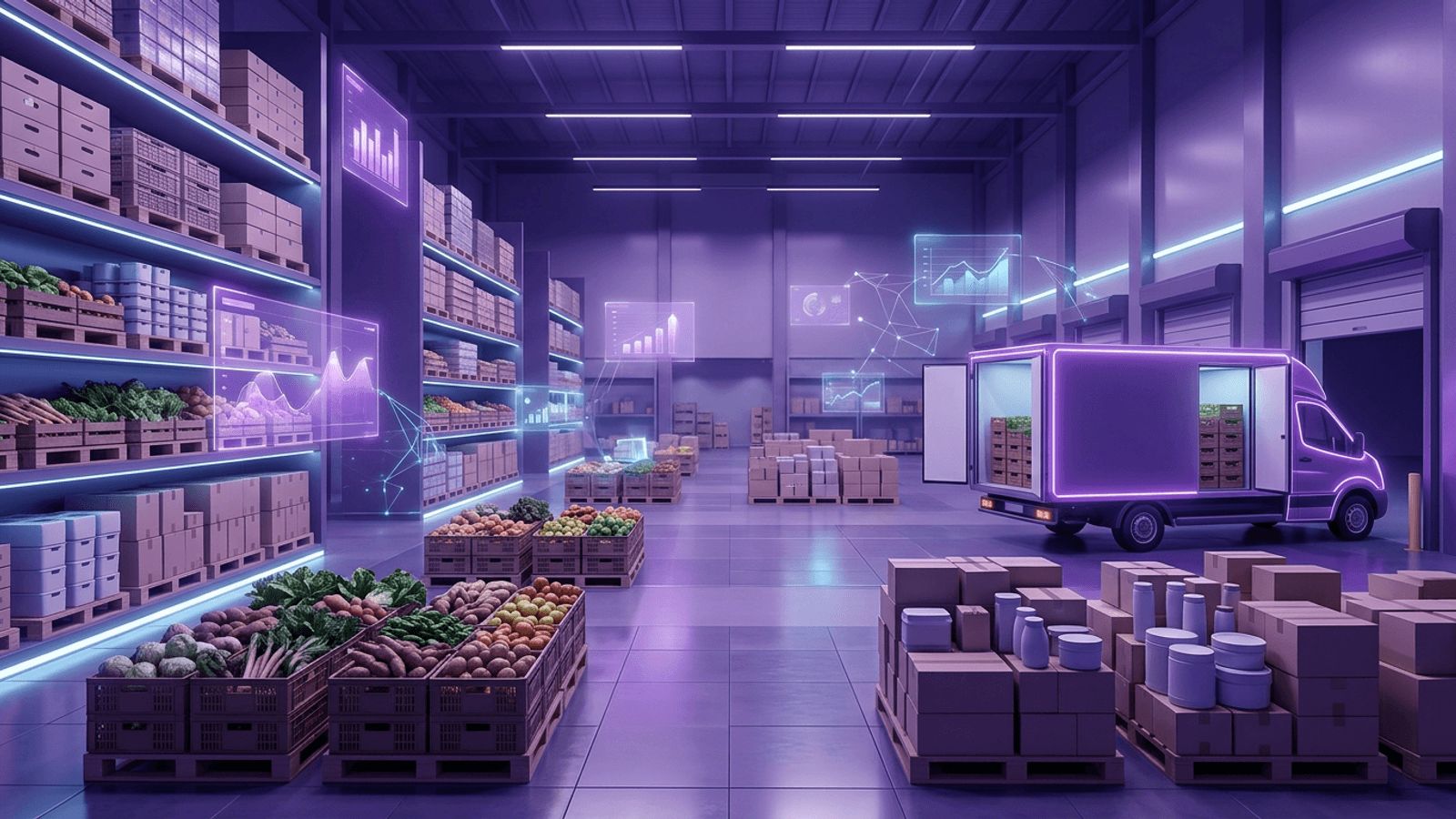
Feeding a Growing Food Scene
Stamford's dining scene has grown dramatically alongside its residential boom. Downtown streets, Harbor Point, and neighborhoods such as Springdale and Glenbrook now host a diverse mix of restaurants, cafes, bakeries, food halls, corporate cafeterias, and caterers. Add the city's hospitals, schools, senior living facilities, and independent grocers, and the demand for reliable food distribution becomes enormous.
Stamford's position on Interstate 95, between New York City and the rest of Connecticut, gives operators access to national broadline distributors, specialty purveyors, and the massive wholesale markets of the Bronx. Choosing the right food wholesaler affects menu quality, food costs, and operational efficiency. The following ten wholesalers stand out for Stamford buyers.
How We Chose
We weighed product range, freshness and quality, delivery reliability to Fairfield County, pricing structure, technology for ordering, and value-added services such as menu consulting. Both broadline distributors and specialty suppliers are included.
The Top 10 Food Wholesalers
1. Sysco
Sysco is the largest foodservice distributor in North America, with a Connecticut operation serving Stamford daily. Its catalog covers fresh produce, meat, seafood, dairy, dry goods, and kitchen supplies. Sysco's online ordering platform, culinary specialists, and business resources make it a cornerstone for many Stamford restaurants.
2. US Foods
US Foods offers a broad assortment of foodservice products, including exclusive brands and on-trend ingredients. Its digital tools for inventory and menu costing help Stamford operators control expenses, while its sales consultants provide insights on food trends.
3. The Chefs' Warehouse
Headquartered in nearby Ridgefield, Connecticut, The Chefs' Warehouse specializes in premium and artisanal ingredients for fine dining restaurants, hotels, and caterers. Its selection of imported cheeses, charcuterie, specialty produce, and center-of-plate proteins is ideal for Stamford's upscale kitchens.
4. Baldor Specialty Foods
Based in the Bronx, Baldor is renowned for exceptional fresh produce, specialty items, and fresh-cut vegetables. It delivers throughout the tri-state area, and Stamford chefs value its consistent quality, local farm partnerships, and seasonal offerings.
5. Performance Food Group
Performance Food Group distributes food and food-related products to independent and chain restaurants, schools, and healthcare facilities. Its broad network and proprietary brands give Stamford operators competitive pricing and dependable supply.
6. C and S Wholesale Grocers
C and S Wholesale Grocers is one of the largest grocery wholesalers in the United States, with major distribution operations in Connecticut. It supplies independent supermarkets and grocery chains with dry goods, perishables, and private-label products.
7. UNFI
United Natural Foods, commonly known as UNFI, is a leading distributor of natural, organic, and specialty foods. Health-focused grocers, co-ops, and cafes in Stamford rely on UNFI for organic produce, plant-based products, and wellness items.
8. Krasdale Foods
Krasdale Foods, based in the New York metropolitan area, is a long-established grocery wholesaler supporting independent supermarkets and bodegas. Its private-label products and retail support services help neighborhood grocers in Stamford stay competitive.
9. Restaurant Depot
Restaurant Depot is a members-only wholesale cash-and-carry warehouse for foodservice businesses. Stamford restaurant owners and caterers use nearby locations for bulk purchases, emergency restocks, and equipment without minimum delivery requirements.
10. Hunts Point Produce Market
The Hunts Point Produce Market in the Bronx is one of the largest wholesale produce markets in the world. Its cooperative of merchants supplies fruits and vegetables from around the globe, and many Stamford grocers and restaurants source directly or through buyers who shop the market overnight.
Trends in Food Distribution
Local and sustainable sourcing is shaping purchasing decisions. Stamford diners increasingly appreciate menus featuring Connecticut farms, Long Island Sound seafood, and regional dairy, prompting wholesalers to expand local programs. Plant-based proteins, global flavors, and allergen-friendly products are also in high demand.
Technology continues to modernize ordering. Mobile apps, real-time delivery tracking, and automated inventory tools save time for busy kitchen managers. Rising food costs have also made menu engineering and supplier diversification essential practices.
How to Choose a Food Wholesaler
Consider your menu style, order volume, and delivery frequency needs. Broadline distributors offer convenience and breadth, while specialty purveyors deliver unique quality. Many successful Stamford restaurants use a primary broadline supplier and supplement with specialty vendors. Compare pricing transparency, minimum orders, delivery windows, and food safety certifications before committing.
Frequently Asked Questions
Can new restaurants open accounts with major distributors?
Yes. Broadline distributors actively court new restaurants and often assign sales consultants who help with initial ordering, menu costing, and credit applications. Expect to provide business licenses and financial information.
How do I source local Connecticut ingredients?
Ask distributors about their local programs, and consider supplementing with direct farm relationships, regional cooperatives, and seasonal farmers markets for produce, dairy, and seafood.
What delivery frequency do most restaurants need?
Busy restaurants often receive deliveries several times per week to maintain freshness and limit storage needs. Smaller operations may order once or twice weekly and supplement with cash-and-carry purchases.
How can I reduce food costs?
Track inventory carefully, compare pricing between suppliers, cross-utilize ingredients across menu items, and review invoices regularly for price changes.
Conclusion
Stamford's food businesses benefit from a robust network of wholesalers, from national leaders like Sysco and US Foods to specialty experts such as The Chefs' Warehouse and Baldor. By building strong relationships with the right suppliers, restaurants, grocers, and caterers can serve fresh, high-quality food while managing costs in a competitive market.