
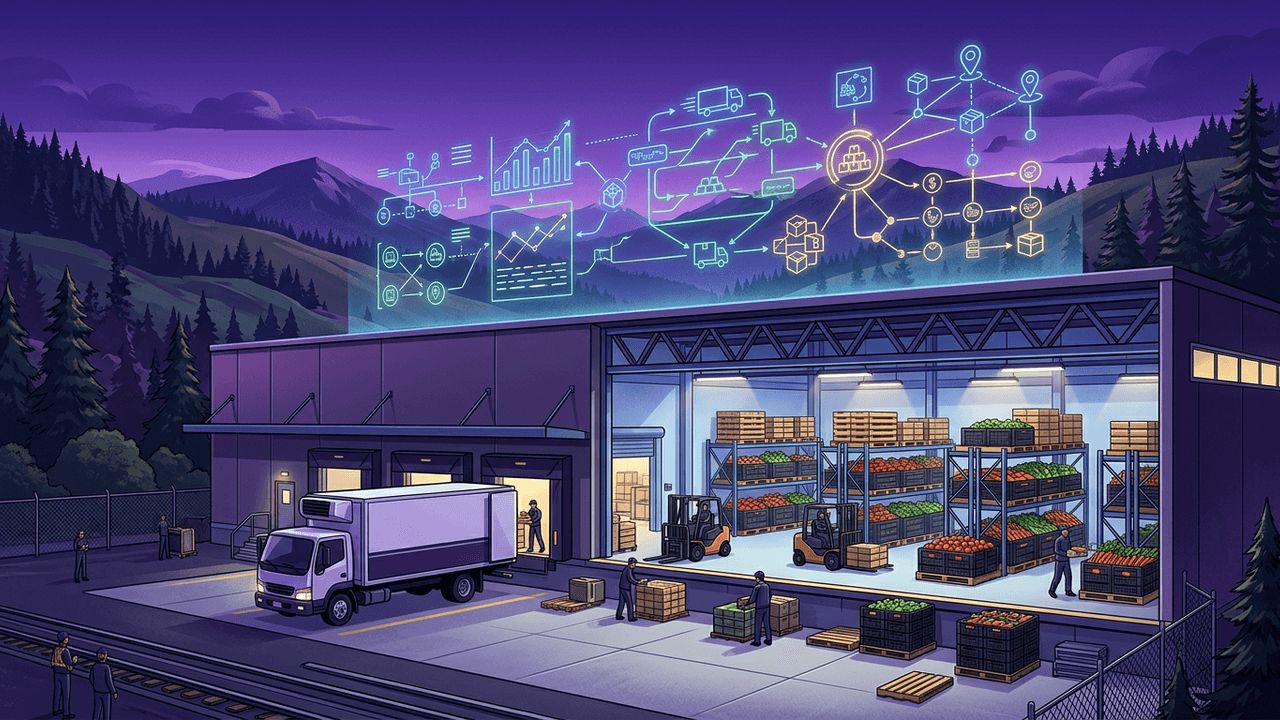
Feeding the Inland Northwest
Spokane Valley sits at the heart of a rich agricultural region. Wheat from the Palouse, apples and cherries from central Washington, potatoes from the Columbia Basin, and dairy from regional farms all flow through distribution networks that supply restaurants, grocery stores, schools, hospitals, and caterers. The city's position along Interstate 90 makes it an important logistics hub for food moving between the Pacific Northwest, Idaho, and Montana.
A strong food wholesaler is more than a supplier. It is a partner that helps businesses manage costs, maintain food safety, respond to menu trends, and keep shelves full even when supply chains are disrupted.
What to Look for in a Food Wholesaler
Important factors include product quality, delivery reliability, cold chain management, pricing, ordering technology, and the availability of local and specialty products. Many buyers also value menu consulting, food safety resources, and flexible minimum orders.
The Top 10 Food Wholesalers Serving Spokane Valley
1. URM Stores
Spokane-based URM Stores is a cooperative wholesale grocery distributor that supplies independent grocers throughout the Inland Northwest. It helps local stores compete with national chains through purchasing power and retail support services.
2. Sysco Spokane
Sysco's Spokane operation delivers a broad selection of food and kitchen supplies to restaurants, hospitals, schools, and hotels. Its ordering tools and menu support resources help operators run efficient kitchens.
3. US Foods
US Foods serves the region's foodservice operators with fresh, frozen, and dry goods along with exclusive brands and business tools designed to help restaurants grow.
4. Charlie's Produce
Charlie's Produce is a Northwest-based produce distributor known for fresh fruits and vegetables, including locally grown items. Restaurants and grocers rely on its quality and frequent deliveries.
5. Chef'Store
Chef'Store offers restaurant-quality food and supplies in a warehouse format open to both businesses and the public, with no membership required. It is popular with caterers, food trucks, and small restaurants.
6. Costco Wholesale
Costco's Spokane Valley warehouse provides bulk groceries and supplies at competitive prices, serving small businesses, offices, and nonprofits that need flexibility without delivery minimums.
7. Darigold
Darigold is a farmer-owned dairy cooperative with processing operations in the region. It supplies milk, butter, and dairy products to retailers and foodservice customers across the Northwest.
8. Franz Bakery
Franz Bakery, a beloved Northwest brand, distributes fresh bread and baked goods to grocers and foodservice operators throughout the Spokane area.
9. Spokane Produce
Spokane Produce supplies fresh fruits and vegetables to restaurants, institutions, and retailers, with an emphasis on reliable service for regional customers.
10. Second Harvest Inland Northwest
Second Harvest Inland Northwest is a nonprofit food bank that distributes millions of pounds of food to partner agencies each year. It plays a vital role in fighting hunger across Spokane Valley and the surrounding region.
Food Distribution Trends
Local sourcing continues to grow as restaurants and grocers highlight Washington and Idaho farms on menus and shelves. Plant-based proteins and specialty dietary products are expanding categories. Digital ordering platforms with real-time inventory and pricing have become standard. Supply chain resilience is a priority after recent disruptions, and many operators now work with multiple suppliers to reduce risk. Food safety technology, including temperature monitoring during transport, is also improving.
Tips for Choosing a Food Supplier
Evaluate your volume, delivery frequency, and product mix. Compare pricing on your most-used items rather than the full catalog. Ask about order cutoffs, delivery windows, and substitution policies. Visit warehouses if possible and request samples of key products. For produce, ask how the supplier handles quality issues and credits.
Frequently Asked Questions
Can small restaurants and food trucks work with broadline distributors?
Yes, although some broadline distributors have minimum order sizes for delivery. Smaller operators often combine a delivery account for core items with cash-and-carry stores for fill-in purchases. This hybrid approach provides flexibility while controlling costs, especially during slower seasons or when menus change frequently.
How can I source more local food for my menu?
Ask distributors about local product lines, connect with produce specialists that work directly with regional farms, and explore farmers markets and agricultural cooperatives. Highlighting Washington and Idaho ingredients can be a strong selling point with customers.
What food safety practices should I expect from suppliers?
Reputable wholesalers maintain temperature-controlled storage and delivery, follow traceability requirements, and communicate recalls quickly. Ask about certifications and inspection histories.
How can businesses donate surplus food?
Restaurants and grocers can partner with Second Harvest and local agencies to donate safe surplus food, reducing waste while helping neighbors in need.
How often should restaurants review supplier pricing?
Many operators review pricing on their top items monthly and conduct a broader comparison once or twice a year. Tracking invoices against contracted prices helps catch errors, and sharing menu plans with your sales representative can uncover cost-saving alternatives or seasonal deals.
Final Thoughts
Spokane Valley's food wholesalers connect the region's agricultural abundance with the kitchens and stores that serve the community. From broadline distributors and produce specialists to cooperatives and food banks, these organizations help keep the Inland Northwest well fed every day.