
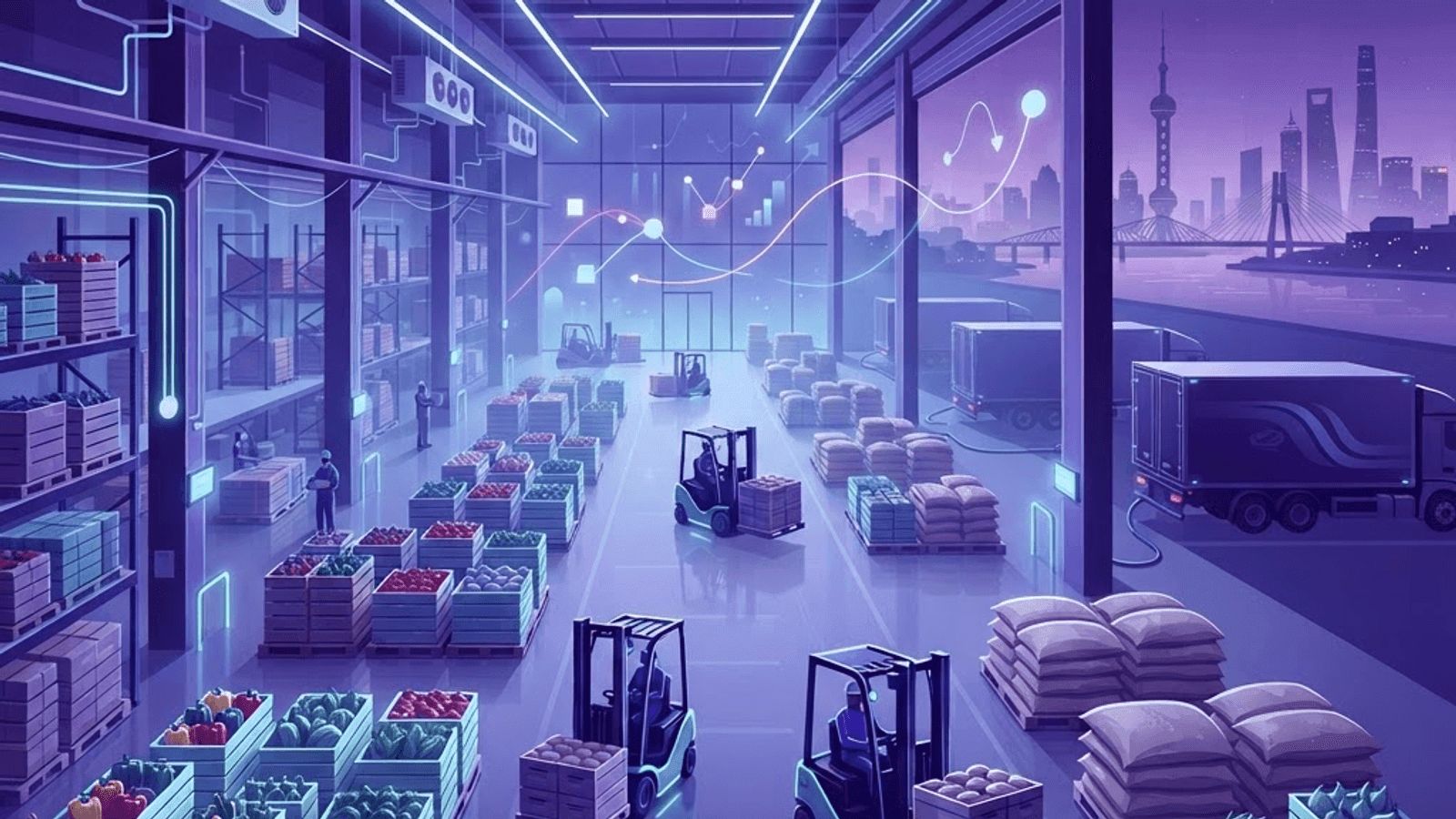
Food Distribution in the Heart of Agricultural Illinois
Peoria sits in one of the most productive agricultural regions in the world, and that proximity shapes its food wholesale market. Local distributors can source grain products, produce in season, dairy, and meat within short distances, which shortens the cold chain and improves freshness. At the same time, broadline distributors bring national and imported products that regional agriculture cannot supply.
The customer base is equally varied: independent restaurants, school and hospital food service, grocery retailers, convenience stores, caterers, and food manufacturers. Each has different requirements for order size, delivery frequency, and documentation, and Peoria's wholesalers have specialized accordingly rather than trying to serve everyone identically.
How These Wholesalers Were Evaluated
Criteria included product quality, food safety practices, cold chain integrity, delivery reliability, order accuracy, product range, and customer reputation. In food distribution, a single temperature excursion or missed delivery can shut down service, so consistency mattered more than catalog size.
The Top 10 Food Wholesalers in Peoria
1. Central Illinois Food Distributors
This broadline distributor supplies restaurants and institutions with dry goods, frozen products, dairy, proteins, and disposables in a single delivery. Consolidating orders reduces receiving labor and simplifies invoicing for operators with small back-of-house teams. Order accuracy and consistent delivery windows are its most praised attributes.
2. Prairie Produce Company
Prairie Produce Company specializes in fresh fruits and vegetables, blending local seasonal sourcing with year-round imported supply. Cold storage discipline, careful grading, and fast turnover protect shelf life after delivery. Chefs value its willingness to source specialty items for menu development.
3. RiverBend Meat and Seafood Wholesale
Supplying restaurants, butchers, and institutions, this wholesaler provides beef, pork, poultry, and seafood with custom cutting and portioning. Consistent portion control simplifies food cost management and plating consistency. Documented cold chain handling and traceability support food safety compliance.
4. Heartland Dairy Distribution
Heartland Dairy Distribution delivers milk, cream, butter, cheese, and cultured products on frequent schedules suited to short shelf life. Refrigerated fleet reliability and early delivery windows accommodate bakery and breakfast operations. Its cheese program includes both commodity and artisan selections.
5. Illinois Valley Bakery Supply
This wholesaler serves bakeries, pizzerias, and food manufacturers with flour, sugar, yeast, fats, and baking ingredients in bulk formats. Consistent flour specifications matter enormously to bakers, and its lot documentation supports formula stability. Technical assistance helps customers troubleshoot dough performance issues.
6. Peoria Restaurant Supply and Foods
Combining food distribution with smallwares, packaging, and cleaning supplies, this wholesaler suits independent operators who value one-stop convenience. Menu costing assistance and equipment recommendations extend its role beyond order fulfillment. New restaurant openings often rely on it for both opening inventory and practical guidance.
7. Midwest Specialty and Ethnic Foods
This distributor imports and supplies international ingredients, spices, sauces, and specialty staples for restaurants and grocers serving diverse communities. Authenticity of sourcing and reliable availability of key ingredients are its core value. Independent grocers rely on it for products broadline distributors do not carry.
8. Bradley Institutional Food Service
Focused on schools, healthcare facilities, and correctional food service, Bradley Institutional Food Service manages nutrition documentation, portion specifications, and program compliance alongside delivery. Menu cycle planning and allergen information support dietitians and food service directors. Predictable pricing structures assist budget-constrained institutions.
9. Central Illinois Beverage Distribution
Supplying coffee, tea, juices, syrups, and non-alcoholic beverages, this wholesaler serves cafes, offices, and restaurants. Equipment placement, service, and staff training accompany product supply. Growing demand for specialty coffee and functional beverages has broadened its portfolio considerably.
10. Prairie Frozen and Cold Storage Wholesale
This company distributes frozen proteins, vegetables, prepared foods, and desserts while also offering third-party cold storage. Storage capacity lets customers buy advantageously and draw inventory as needed. Temperature monitoring and documented handling protect product integrity throughout storage and transport.
Food Safety and Cold Chain Fundamentals
Food safety is the foundation of any wholesale relationship. Reputable distributors operate documented food safety plans, monitor temperatures continuously in storage and transit, maintain sanitation schedules, and can produce lot traceability quickly during a recall. Buyers should verify these practices rather than assume them.
Receiving discipline on your side matters just as much. Check temperatures at delivery, inspect packaging integrity, verify dates, and reject product that fails specification. Document those checks, because your records protect you as much as the distributor's. Establish clear written specifications for key items so quality expectations are objective rather than conversational.
Trends in Food Wholesale
Local sourcing continues to grow, driven by both consumer interest and supply resilience. Distributors that maintain relationships with regional farms and processors can offer freshness and storytelling that national supply chains cannot match. Transparency about origin has become a routine customer question.
Labor pressure has increased demand for value-added products: pre-cut produce, portioned proteins, and prepared components that reduce kitchen labor. Operators weigh the higher unit cost against labor savings and waste reduction, and many find the trade favorable.
Technology has also improved ordering. Online platforms, order guides, usage analytics, and delivery tracking reduce errors and help operators control food cost with better data than paper invoices ever provided.
How to Negotiate and Manage Distribution Terms
Understand pricing structure before negotiating. Distributors may work on cost-plus, fixed pricing for defined periods, or market-based pricing for volatile commodities. Ask which model applies to each category and how often prices change.
Discuss delivery logistics honestly, including frequency, delivery windows, minimum order values, and drop fees. Consider whether consolidating with fewer distributors earns better pricing, or whether specialty suppliers deliver quality worth the added complexity. Clarify credit policies for shorted or damaged product and how quickly credits appear.
Finally, review performance regularly. Track fill rates, order accuracy, on-time delivery, and quality complaints, then discuss the data with your representative quarterly. Distributors respond to customers who measure, and the conversation almost always improves service.
Final Thoughts
Peoria's food wholesalers combine access to outstanding regional agriculture with the breadth and logistics discipline professional kitchens require. Whether you need a broadline partner, a produce specialist, custom-cut proteins, bakery ingredients, specialty imports, or institutional program support, capable distributors are close at hand. Verify food safety practices, set clear specifications, and measure performance, and your supply chain will support your menu instead of limiting it.