
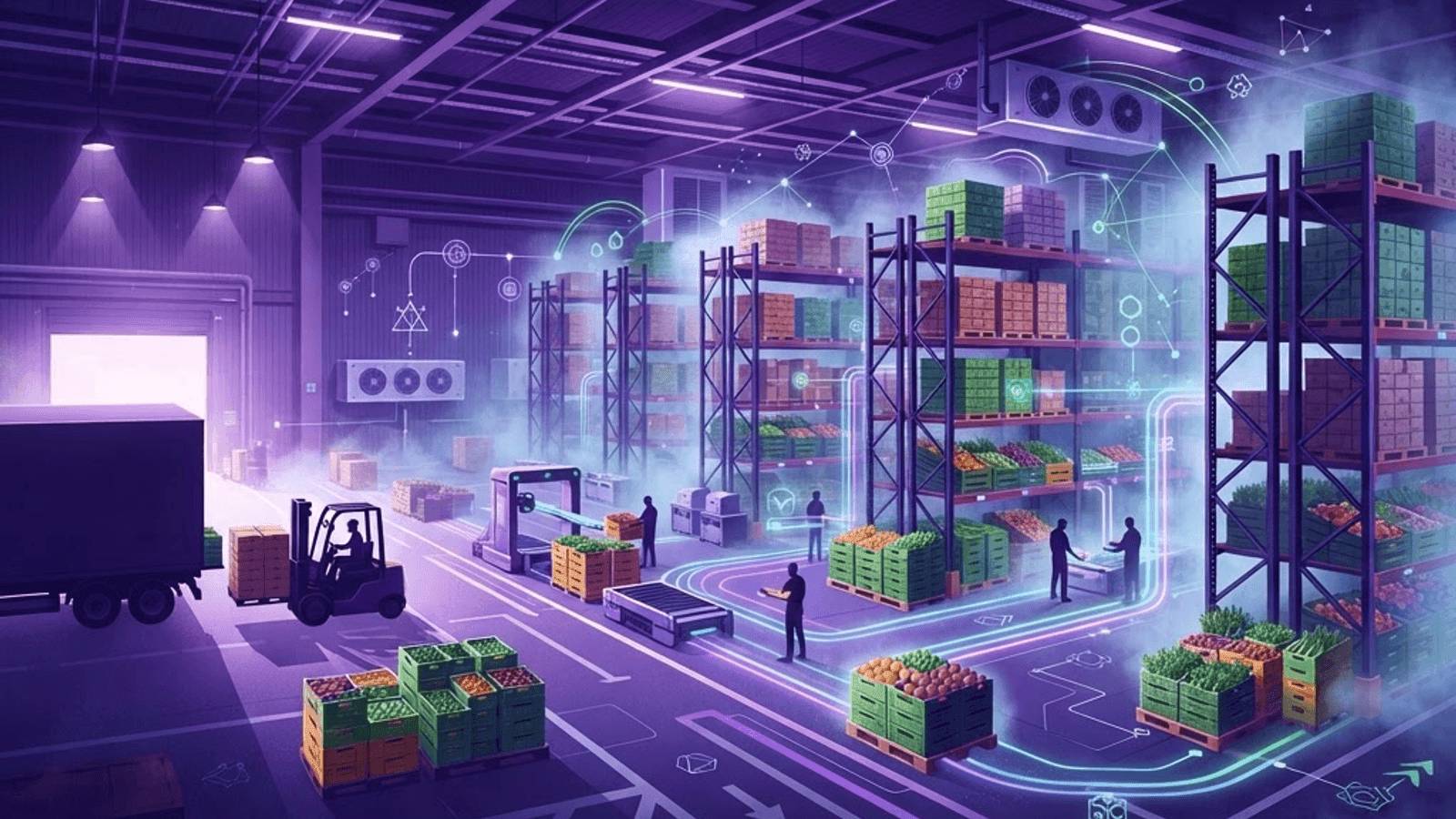
Food Distribution in the Antelope Valley
Food wholesaling in Palmdale serves an unusually varied customer base for a city its size. Independent restaurants, national chain locations, school districts, hospitals, senior facilities, caterers, convenience stores, and small grocers all buy here. Each has different volume, storage capacity, delivery window requirements, and product needs, and the distributor landscape has evolved to serve those differences.
Geography plays a role. The valley's agricultural production supplies certain categories locally, while the bulk of packaged, frozen, and specialty goods arrives from larger distribution hubs. Local wholesalers bridge those supply lines, holding inventory close to customers so a restaurant can replace a shorted item within hours rather than waiting for the next scheduled truck.
The Distributor Categories
Broadline distributors carry a wide catalog spanning produce, protein, dry goods, frozen items, dairy, and supplies, serving as a single-source option. Produce specialists focus on fresh fruit and vegetables with daily or near-daily delivery. Meat and seafood purveyors provide butchery, portioning, and specialty cuts. Specialty and ethnic food distributors supply ingredients that broadliners do not carry. Bakery and dairy suppliers handle short-shelf-life categories requiring frequent delivery. Restaurant supply operations cover disposables, cleaning products, and smallwares alongside food.
The Top 10 Food Wholesalers Serving Palmdale
1. Antelope Valley Food Distributors
The region's principal broadline distributor, Antelope Valley Food Distributors supplies restaurants, institutions, and small grocers with a comprehensive catalog and reliable scheduled delivery. Their strength is order accuracy and fill rate, the two metrics that determine whether a kitchen can execute its menu as planned. Account representatives visit clients regularly rather than managing relationships by phone alone.
2. High Desert Produce Company
Specializing in fresh fruit and vegetables, High Desert Produce Company delivers daily to restaurants and institutional kitchens. Sourcing combines regional growers with broader market supply, and the company's quality inspection at receiving means fewer rejected cases at the customer's back door. Seasonal availability guidance helps chefs plan menus around what is genuinely good.
3. Sierra Meat and Seafood Purveyors
Serving restaurants that care about protein quality, Sierra Meat and Seafood Purveyors provides custom cutting, portioning, and aging alongside standard products. Chefs value the ability to specify exact portion weights and trim specifications, which controls plate cost far more precisely than buying pre-cut commodity product.
4. Mojave Institutional Food Service
Focused on schools, healthcare facilities, and senior living operations, Mojave Institutional Food Service understands the nutritional standards, documentation, and budget constraints these clients work within. Menu planning support and compliant product selection make them more than a delivery service for organizations with regulated meal programs.
5. Poppy Valley Specialty Foods
Poppy Valley Specialty Foods distributes imported ingredients, artisan products, specialty oils, cheeses, and hard-to-source items that broadline catalogs omit. Independent restaurants pursuing distinctive menus rely on the company to access products that would otherwise require multiple small vendor relationships.
6. Aerospace Valley Beverage Distribution
This distributor supplies coffee, tea, juices, syrups, and non-alcoholic beverages to restaurants, cafes, offices, and institutions. Equipment placement, maintenance, and staff training on brewing systems accompany product supply, making the offering a complete beverage program rather than a commodity delivery.
7. Desert Ridge Bakery Supply
Desert Ridge Bakery Supply provides flour, leavening, fillings, frozen dough, and finished baked goods to restaurants, cafes, and retailers. Frequent delivery accommodates the short shelf life inherent in the category, and their frozen par-baked products allow small operations to offer fresh bread without a full bakery operation.
8. Summit Restaurant Supply and Foods
Combining food distribution with disposables, cleaning chemicals, and smallwares, Summit Restaurant Supply and Foods lets operators consolidate purchasing. Fewer suppliers means fewer deliveries, fewer invoices, and less administrative time, which matters considerably for independent restaurants with thin management bandwidth.
9. Clearline Cold Chain Logistics
Clearline Cold Chain Logistics specializes in refrigerated and frozen distribution with temperature monitoring throughout transit. For customers handling high-risk products, documented cold chain integrity is a food safety requirement rather than a convenience, and the company's monitoring records support their clients' own compliance programs.
10. Golden Harvest Local Food Network
Golden Harvest Local Food Network aggregates output from regional farms and small producers, supplying restaurants and retailers seeking local sourcing. The company handles the logistics and consolidated invoicing that make buying from many small growers practical, opening access to local supply that would otherwise be too fragmented to use.
How to Evaluate a Food Wholesaler
Fill rate is the most important metric. Ask what percentage of ordered items typically arrive, and ask existing customers rather than accepting the sales figure. A distributor with excellent pricing and a poor fill rate forces last-minute substitutions that undermine menu consistency.
Food safety practice is non-negotiable. Ask about warehouse temperature controls, delivery vehicle refrigeration, inspection records, and recall procedures. A distributor should be able to trace a specific lot to specific customers quickly. If they cannot, that is a serious risk.
Examine delivery scheduling against your operation. Delivery windows, minimum order thresholds, and order cutoff times determine how much inventory you must carry. A supplier with a low minimum and frequent delivery reduces your working capital requirement and your waste.
Review pricing structure carefully. Some distributors quote fixed prices for a period, others use cost-plus arrangements, and others adjust weekly with the market. Each is legitimate, but you should know which you are agreeing to and how changes will be communicated.
Trends in Food Distribution
Local and traceable sourcing continues to grow as both consumers and institutional buyers ask where food originates. Online ordering platforms with real-time inventory visibility have become standard expectations rather than advantages. Labor constraints in kitchens have increased demand for value-added products such as pre-cut produce and portioned proteins. And packaging waste reduction is emerging as a purchasing criterion alongside price and quality.
Final Thoughts
For a Palmdale foodservice operation, the distributor relationship directly shapes what can be served and at what cost. Weigh fill rate, food safety documentation, and delivery flexibility as heavily as price, and consider pairing a reliable broadline supplier with one or two specialists to get both dependability and distinctiveness.