
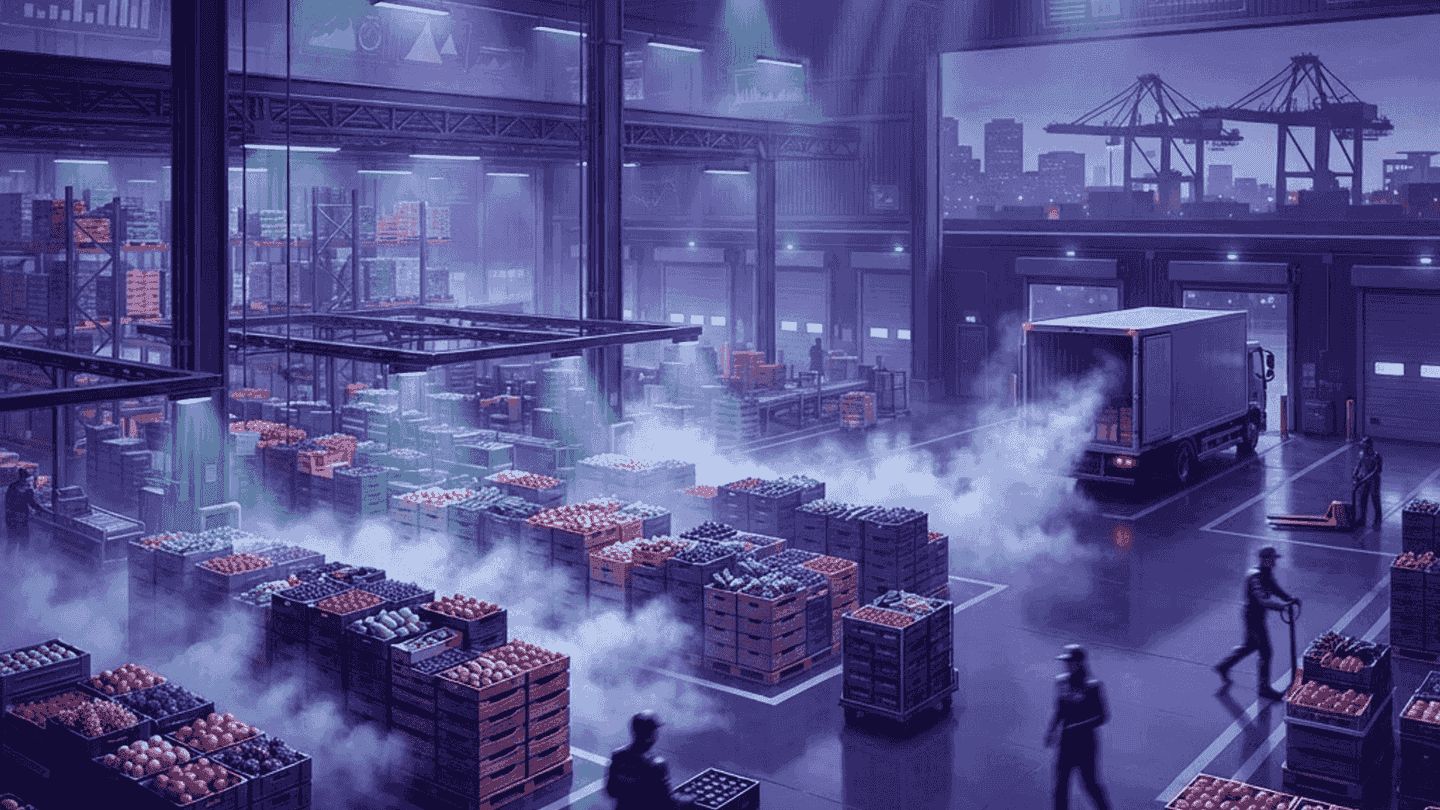
Feeding a Food-Obsessed City
Oakland's culinary reputation rests on an enormous and diverse restaurant scene, from taquerias and Ethiopian dining rooms to Cantonese seafood houses and ambitious tasting menus. None of it runs without wholesalers. Behind every menu is a network of distributors delivering produce before dawn, dropping protein orders on schedule, and keeping dry storage stocked so that a kitchen can execute service without improvisation.
The city's location is a genuine advantage. Oakland sits within short driving distance of some of the most productive agricultural land in the world, has direct port and freeway access for imported specialty goods, and hosts a large wholesale infrastructure serving the entire East Bay. That combination means a restaurant can source hyperlocal produce and imported pantry staples from suppliers who both deliver the same morning.
Understanding Food Distribution Categories
Food wholesale splits along temperature and product lines. Produce distribution requires the fastest turnover and the most skilled buying, since quality changes daily and price fluctuates with weather and harvest. Protein distribution, covering meat, poultry, and seafood, demands rigorous cold chain control, traceability, and often custom cutting or portioning.
Broadline distributors carry everything from dry goods to frozen items and disposables, offering the convenience of a single order and delivery. Specialty and ethnic distributors focus on ingredients specific to particular cuisines, and are often the only reliable source for authentic products. Dairy and bakery distribution operates on frequent delivery cycles because of short shelf life. Beverage distribution follows its own regulatory framework. Finally, ingredient distributors serve food manufacturers rather than kitchens, supplying bulk components and packaging.
The Top 10 Food Wholesalers in Oakland
1. Estuary Produce Distributors. Supplying restaurants and grocers with fresh fruit and vegetables sourced heavily from Northern California growers, Estuary is known for early morning delivery windows and honest quality communication. When a crop is having a poor week, buyers hear about it and can adjust menus rather than discovering the problem at prep time.
2. Bayline Meat & Seafood Company. A protein specialist offering custom cutting, portioning, and species-specific sourcing guidance, Bayline maintains documented cold chain and traceability. Chefs value its willingness to work with whole animals and less common cuts, which improves both cost control and menu differentiation.
3. Fruitvale Broadline Foodservice. This full-line distributor carries dry goods, frozen products, dairy, and disposables, serving independent restaurants, schools, and care facilities. Its strength is order accuracy and consistent delivery scheduling, which reduces the labor cost of chasing missing items.
4. Mandela Specialty Ingredients. Focused on ingredients for Latin American, Asian, and African cuisines, Mandela sources chiles, spices, masa, rices, sauces, and preserved goods that broadline distributors rarely carry. For many Oakland kitchens, it is the difference between an authentic dish and an approximation.
5. Broadway Dairy & Bakery Supply. Delivering milk, cream, cheese, butter, eggs, and fresh baked goods on frequent cycles, Broadway supports cafés, bakeries, and restaurants where freshness windows are tight. Reliable early delivery is central to its value.
6. Lakeside Organic & Natural Foods. Specializing in certified organic produce, pantry goods, and natural products, Lakeside serves grocers and restaurants with sourcing standards. Its documentation support makes menu and label claims defensible, which matters as scrutiny of such claims increases.
7. Peralta Bulk & Ingredient Supply. Serving food manufacturers, bakeries, and packaged goods producers, Peralta supplies flour, sugar, oils, and functional ingredients in bulk formats along with packaging. Consistent lot documentation supports customers' own food safety programs.
8. Jack London Seafood Market Wholesale. Handling fresh and frozen seafood with attention to sustainable sourcing and species substitution transparency, this wholesaler serves restaurants and fish markets. Its willingness to explain exactly what a product is, and where it came from, builds durable trust.
9. Foothill Beverage Distribution. Distributing coffee, tea, juices, and non-alcoholic beverages to cafés, offices, and restaurants, Foothill pairs product supply with equipment service and staff training. That combination keeps beverage programs profitable rather than merely present.
10. Redwood Heights Local Farm Collective. Aggregating output from small regional farms, this distributor gives kitchens access to farm-direct produce, eggs, and specialty items without managing dozens of individual relationships. Weekly availability lists help chefs plan menus around what is genuinely at peak.
Trends in Food Wholesale
Local and traceable sourcing has moved from differentiator to expectation, particularly in Oakland. Diners ask where food comes from, and distributors who can name the farm or fishery provide their customers with something valuable. Aggregators that consolidate small-farm production have grown substantially because they make local sourcing operationally feasible.
Food safety requirements continue to tighten. Traceability rules mean distributors must be able to identify lot-level movement of certain foods quickly. Suppliers with modern record keeping protect their customers during a recall, while those with informal systems create exposure.
Cost volatility has changed purchasing behavior. Fluctuating produce, protein, and freight costs push operators toward suppliers who communicate pricing transparently, offer market reports, and help substitute intelligently rather than surprising kitchens with invoices.
Waste reduction is also rising in priority. Distributors offering right-sized packaging, imperfect produce programs, and accurate ordering guidance help kitchens cut food cost while reducing environmental impact, an alignment of interests that is genuinely productive.
How to Choose a Food Wholesaler
Start with delivery logistics, because in foodservice, timing is quality. Confirm delivery days, cutoff times, and how the supplier handles a missed or short delivery. Ask how temperature is maintained in transit and whether drivers check in product properly.
Evaluate pricing structure honestly. Some distributors quote low base prices and recover margin elsewhere, so compare total invoices over several weeks rather than individual line items. Understand minimum order thresholds and delivery fees.
Test with a limited order before consolidating your purchasing. Assess product consistency, packing quality, and how the supplier handles a credit request. Finally, value suppliers whose sales representatives understand your menu and proactively flag opportunities or problems.
Final Thoughts
Oakland's food wholesalers underpin one of the most interesting food cities in the country, spanning farm-direct produce collectives, specialty ingredient importers, and full-line broadline operations. Choose partners based on delivery reliability, product consistency, traceability, and communication quality rather than headline pricing. A distributor that shows up on time with exactly what you ordered protects both your service and your margins every single day.