
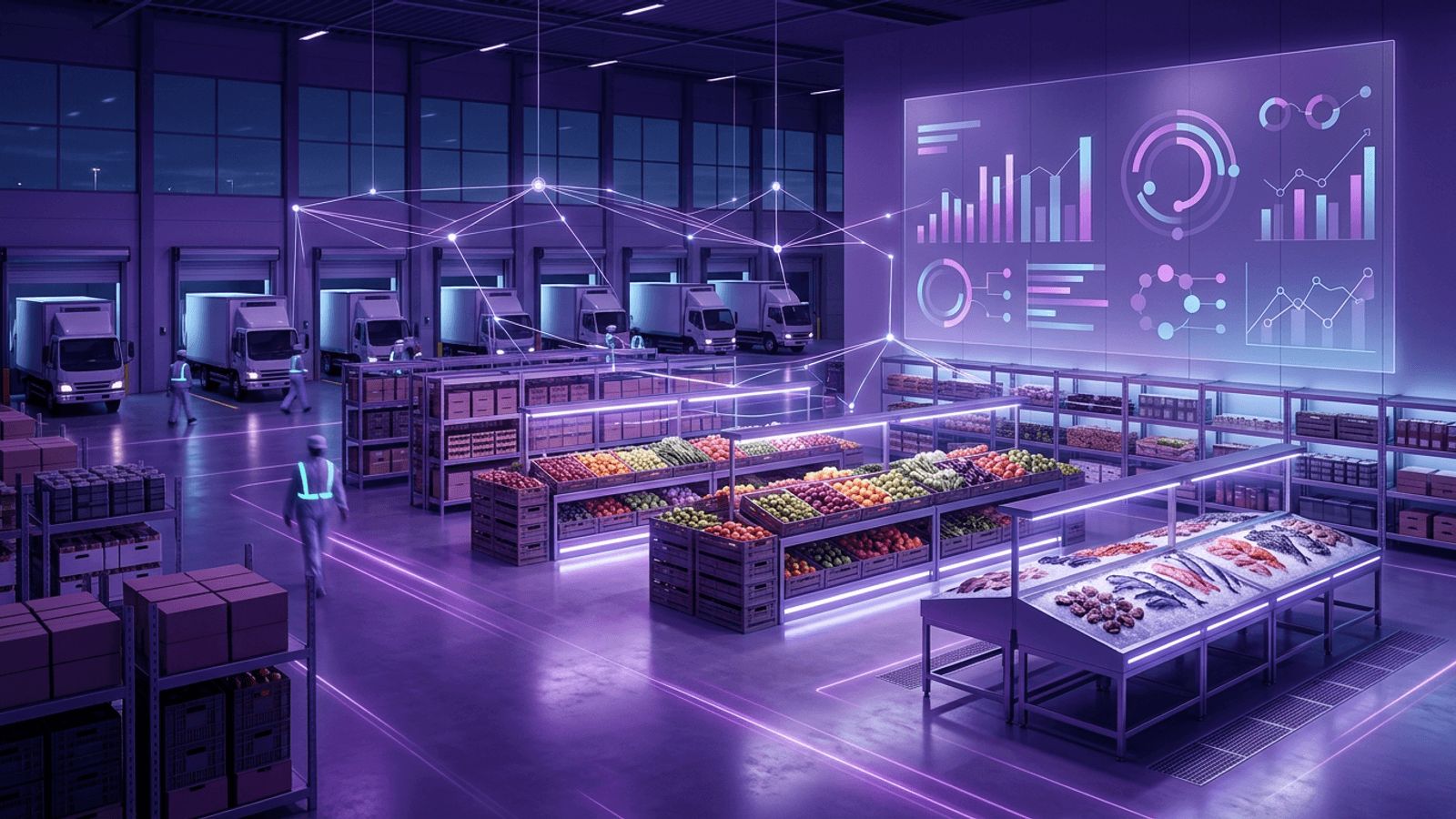
Food Distribution in the Lowcountry
The Charleston region is world-famous for its food scene, and North Charleston plays a vital role in keeping that culinary reputation alive. Restaurants, hotels, catering companies, hospitals, schools, and the North Charleston Coliseum and Performing Arts Center all require a steady supply of fresh, frozen, and dry food products. Food wholesalers make that possible.
North Charleston's location along I-26 and I-526, combined with abundant warehouse space, makes it an ideal base for food distribution. Wholesalers serve customers throughout the Lowcountry, from downtown Charleston restaurants to beachside eateries and suburban cafeterias.
The Importance of Local Sourcing
Charleston diners increasingly value locally grown produce, seafood, and specialty products. Many chefs build menus around Lowcountry ingredients such as shrimp, oysters, heirloom grains, and seasonal vegetables. Food wholesalers that connect restaurants with local farmers and fishermen help preserve regional food traditions while supporting the local economy.
The 10 Best Food Wholesalers Serving North Charleston
1. Sysco
Sysco is the largest food service distributor in North America, offering a vast selection of fresh, frozen, and dry products. Its broad catalog, culinary support, and technology tools help restaurants and institutions in North Charleston streamline purchasing.
2. US Foods
US Foods supplies restaurants, healthcare facilities, and hospitality businesses with food and operational products. Its exclusive brands, menu planning resources, and online ordering platform help operators manage costs and innovate their menus.
3. Performance Food Group
Performance Food Group distributes food and related products to restaurants, convenience stores, and institutions. Its specialized divisions support independent restaurants and chains with customized service and product selection.
4. Gordon Food Service
Gordon Food Service is a family-owned food distributor serving restaurants, schools, and healthcare facilities. Its quality products and customer-focused approach have earned strong loyalty among food service operators.
5. Restaurant Depot
Restaurant Depot is a membership-based wholesale cash and carry warehouse for food service businesses. Restaurant owners and caterers appreciate its bulk pricing and the ability to pick up supplies on demand.
6. Cheney Brothers
Cheney Brothers is a major food service distributor in the Southeast. It offers a wide range of products and is known for responsive service and strong relationships with independent restaurants.
7. Limehouse Produce
Limehouse Produce is a Charleston-based produce distributor serving restaurants, schools, and grocers. It emphasizes freshness and partnerships with regional farmers, making it a favorite among chefs seeking quality local produce.
8. GrowFood Carolina
GrowFood Carolina is a local food hub that connects South Carolina farmers with restaurants and retailers. It helps small farms reach commercial buyers and strengthens the Lowcountry's farm-to-table movement.
9. Sam's Club
Sam's Club offers bulk food and supplies for small businesses and caterers. Its convenient locations and membership pricing make it a practical option for smaller food service operations.
10. Chef's Warehouse
Chef's Warehouse specializes in premium and specialty food products for fine dining establishments. Its gourmet ingredients, imported cheeses, and specialty proteins help chefs create distinctive dishes.
How to Choose a Food Wholesaler
Evaluate product quality, delivery frequency, pricing, and food safety practices. Consider whether the distributor offers local products, specialty items, and online ordering. For restaurants, a responsive sales representative can help manage menu changes and seasonal sourcing. Building relationships with multiple suppliers can improve flexibility and pricing.
Food Safety and Cold Chain Management
Food safety is critical, especially in the Lowcountry's hot climate. Reliable wholesalers maintain strict temperature controls throughout storage and delivery. Restaurants should verify cold chain practices, food safety certifications, and traceability systems to protect customers and comply with health regulations.
Food Distribution Trends
Local and sustainable sourcing continues to grow in popularity. Digital ordering platforms make purchasing more efficient. Plant-based foods, global flavors, and health-conscious menus are reshaping demand. Distributors are also investing in route optimization and electric vehicles to improve efficiency and sustainability.
Seafood and Lowcountry Specialties
Seafood holds a special place in Charleston cuisine. Local shrimp, oysters, clams, flounder, and grouper appear on menus across the region, and diners expect freshness. Restaurants often combine broadline distributors with specialty seafood suppliers and direct relationships with local fishermen to secure the best catch. Seasonal availability, weather, and fishing regulations affect supply, so flexible menus and strong supplier communication are essential. Beyond seafood, Lowcountry specialties such as stone-ground grits, Carolina Gold rice, benne seeds, and heirloom produce help restaurants create authentic regional dishes. Wholesalers that understand and stock these ingredients add real value to North Charleston's culinary community.
Serving Schools, Hospitals, and Institutions
Institutional food service represents a large share of food wholesale demand in North Charleston. Public schools, universities, hospitals, senior living communities, and military dining facilities at Joint Base Charleston require consistent, nutritious, and safe food in large volumes. These customers often follow strict nutritional guidelines, allergen protocols, and procurement rules. Distributors serving institutions provide menu planning support, nutritional data, and reliable delivery schedules. Many institutions are also expanding local sourcing through farm-to-school and farm-to-hospital programs, creating new opportunities for South Carolina farmers. Choosing a wholesaler with institutional expertise helps organizations control costs while meeting the needs of the people they serve.
Final Thoughts
Food wholesalers are essential to North Charleston's thriving culinary and hospitality industries. These ten companies offer the quality, selection, and reliability that restaurants, institutions, and caterers need to serve outstanding food every day.