
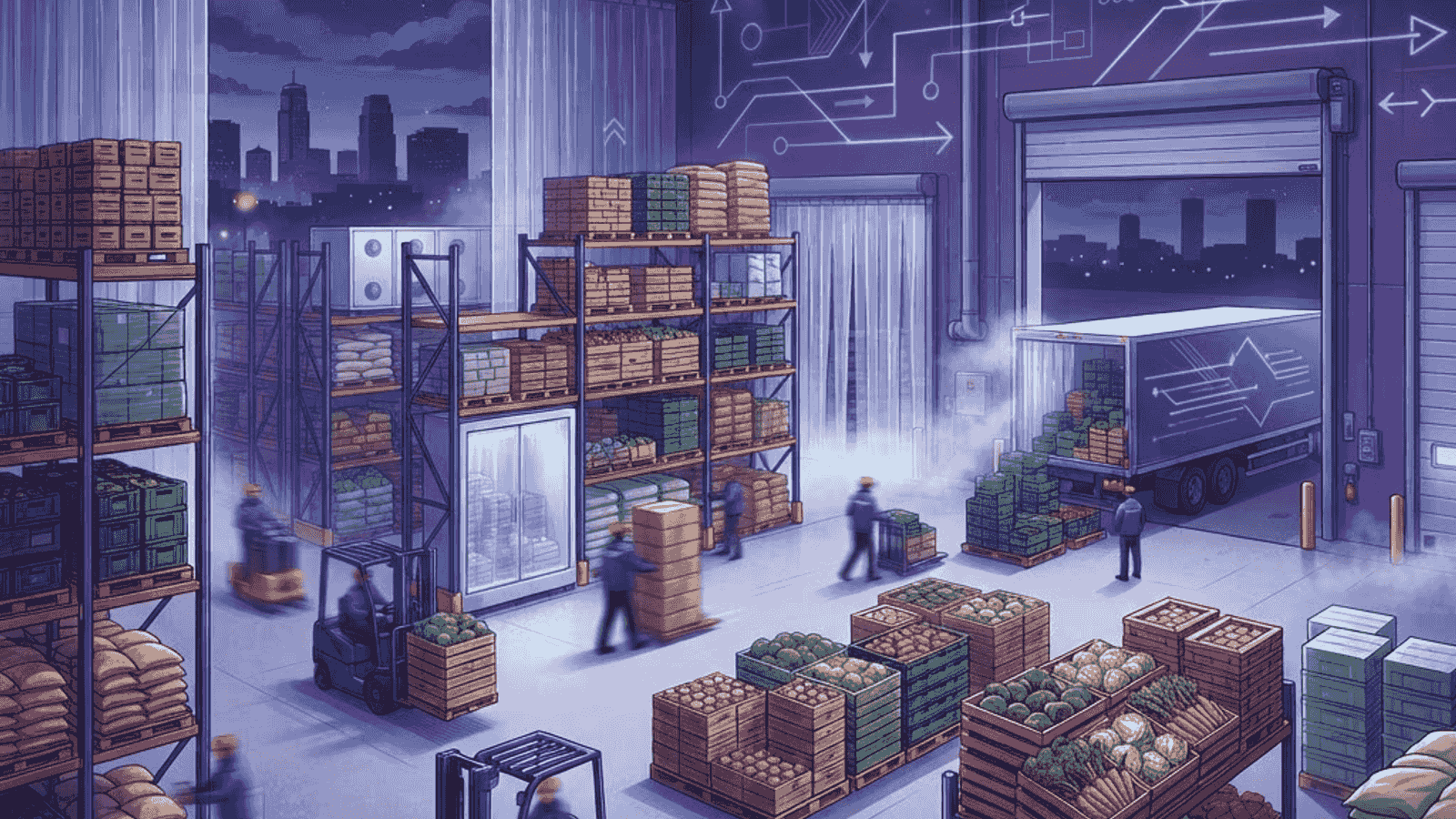
Feeding a Metro Through a Demanding Cold Chain
Minneapolis sits at the center of one of the most important food economies in the United States. Minnesota's agricultural output, its concentration of food manufacturing headquarters, and the metro's dense restaurant and grocery landscape created a wholesale distribution network with real sophistication. That network moves produce, protein, dairy, dry goods, frozen product, and beverages through a cold chain that must function in ninety-degree summers and thirty-below winter nights.
Buyers here benefit from unusual variety. Broadline distributors serve full menu needs, produce specialists deliver daily freshness, and local specialty houses supply the chef-driven independent restaurants that define Minneapolis dining. Institutional buyers in schools, hospitals, and senior living also have access to distributors experienced in nutrition compliance and audited food safety programs.
The Top 10 Food Wholesalers in Minneapolis
1. Sysco Minnesota
Sysco is the region's largest broadline foodservice distributor, supplying proteins, produce, dry goods, frozen items, disposables, and equipment. Its differentiators are one-stop breadth, consultative support on menu costing and recipe engineering, and delivery reliability that independent operators depend on weekly.
2. US Foods
US Foods competes at similar scale with strong exclusive brand programs and operator support tools. Restaurants often cite its product innovation and menu trend resources as genuinely useful for refreshing offerings without adding kitchen complexity.
3. Performance Food Group
Serving the metro with broadline and specialty channels, Performance Food Group supports both chain and independent operators. Its value lies in flexible order sizes and category depth in center-of-plate proteins.
4. Bix Produce Company
A Saint Paul area produce specialist, Bix supplies fresh fruits and vegetables plus fresh-cut and value-added items to restaurants, grocers, and institutions. Chefs rely on it for daily freshness, quality grading discipline, and seasonal sourcing guidance.
5. Russ Davis Wholesale
This Minnesota-grown produce distributor is known for the Crazy Fresh brand and strong relationships with regional growers. Its fresh-cut processing and retail merchandising support make it a favorite of grocers and cooperatives across the metro.
6. J and J Distributing
Operating from Saint Paul, J and J supplies produce, dairy, and specialty foods with fresh-cut processing capability. Independent restaurants value its responsiveness and willingness to accommodate smaller, more frequent deliveries.
7. Upper Lakes Foods
This Minnesota broadline distributor serves restaurants, schools, and healthcare facilities across the state including the metro. It is often chosen by operators who prefer a regional distributor with local decision-making and flexible account management.
8. Shamrock Group
Shamrock supplies beverage systems, ice, and related products to bars, restaurants, and event venues throughout the Twin Cities. Its integrated equipment service and delivery model keeps beverage programs running during high-volume weekends when downtime is costly.
9. Kemps
A Minnesota dairy institution, Kemps supplies milk, ice cream, cultured dairy, and frozen novelties to wholesale accounts across the region. Its local processing footprint supports shorter delivery cycles and fresher dated product for grocers and foodservice buyers.
10. Coastal Seafoods
Serving Minneapolis and Saint Paul, Coastal Seafoods wholesales fresh fish and shellfish to restaurants alongside its retail counters. Chefs depend on its sourcing knowledge, frequent air freight arrivals, and honest guidance about what is genuinely at peak quality that week.
How to Choose a Food Wholesaler
Food safety credentials come first. Verify third-party audit certification, cold chain monitoring practices, recall procedures, and traceability capability from receipt to delivery. Ask how the distributor documents temperature during transit, because Minnesota's climate extremes create real risk on both ends of the year.
Then evaluate the commercial fit. Compare delivery frequency and cutoff times against your prep schedule, understand minimum order thresholds and fuel surcharges, and clarify credit and shortage resolution processes. Ask about pricing structure transparency, particularly whether market-priced categories like produce and protein are quoted weekly. Many operators find the strongest results come from pairing a broadline distributor for staples with one or two specialists for produce, seafood, or bakery where quality differences are most visible on the plate.
Trends in Food Distribution
Local sourcing has become a standing expectation rather than a marketing bonus. Distributors now curate Minnesota grower and producer programs, and menus increasingly name farms explicitly. Labor scarcity in kitchens has simultaneously boosted demand for value-added products such as pre-cut produce, portioned proteins, and prepared components that reduce skilled prep time.
Technology is reshaping ordering as well, with mobile ordering, real-time inventory visibility, order guides tied to recipe costing, and predictive substitution recommendations. Sustainability pressure continues to grow around packaging waste, food waste diversion, and route efficiency, and larger distributors are investing in electrified fleets and improved cold chain telematics.
Final Thoughts
The Minneapolis food wholesale market gives operators genuine leverage: several capable broadliners, excellent produce and seafood specialists, and strong regional dairy and beverage supply. Choose partners on food safety rigor, delivery precision, and category-specific quality rather than case price alone. Build relationships with sales representatives who understand your menu, and your supply chain will support consistency even during the busiest weeks of the year.