
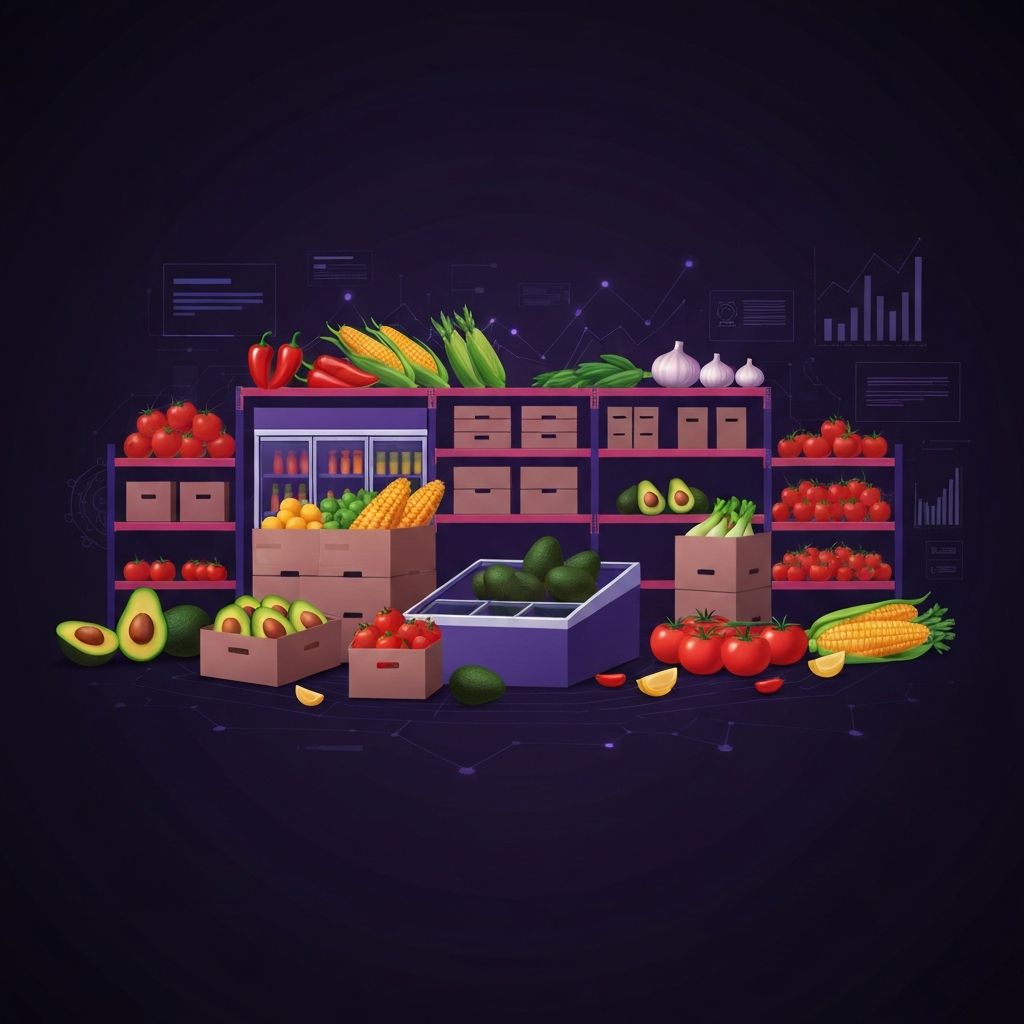
Feeding a Nation: Mexico's Food Wholesale Landscape
Food wholesale is a cornerstone of Mexican commerce. With a population of more than 130 million, a robust restaurant culture, and a strong export agriculture base, the country relies on a sophisticated network of wholesalers to move groceries, fresh produce, frozen goods, beverages, and specialty foods. From Mexico City's iconic Central de Abasto—one of the largest wholesale markets in the world—to specialized national distributors, food wholesalers play a vital role in keeping kitchens, supermarkets, and institutional food services running smoothly.
The sector is shaped by Mexico's deep culinary diversity, regional ingredients, and growing demand for convenience, health-oriented products, and international cuisines. Wholesalers must balance traditional staples like maize, beans, and chiles with modern categories such as plant-based proteins and ready-to-eat meals.
Top Food Wholesalers in Mexico
1. Sysco México is part of the world's largest food service distribution company, serving restaurants, hotels, and institutional clients with a vast catalog of fresh, frozen, and dry goods.
2. Sigma Alimentos is a leading processor and distributor of refrigerated foods, including meats, cheeses, and prepared meals, with strong national and international reach.
3. Grupo Bimbo, while primarily a manufacturer, also operates extensive wholesale and distribution networks delivering bakery and snack products to retailers and food service customers.
4. Grupo Herdez distributes packaged foods, sauces, preserves, and shelf-stable groceries widely used in Mexican households and food service operations.
5. La Comer Mayoreo serves retailers and institutional buyers with a curated mix of groceries, fresh produce, and imported specialty items.
6. City Market Wholesale offers premium and gourmet products targeted at hotels, fine-dining restaurants, and specialty stores.
7. Central de Abasto Vendors collectively form one of the most influential food distribution hubs in Latin America, supplying fresh produce, grains, dairy, and meat to nearly every corner of Mexico.
8. Lala is a major dairy producer and distributor, ensuring milk, yogurt, cheese, and cream reach retailers and food service operators across the country.
9. Costco Business México serves small businesses, restaurants, and institutional buyers with bulk groceries, frozen items, and prepared products at competitive wholesale prices.
10. Promotora Comercial Alpro specializes in distribution of imported and specialty food brands, supporting boutique retailers and gourmet food service.
Categories and Capabilities
Food wholesalers in Mexico typically span dry groceries, fresh produce, dairy, meat and poultry, seafood, frozen foods, beverages, and specialty international items. Many operate cold-chain logistics with temperature-controlled warehouses and refrigerated fleets to ensure product safety. Specialized distributors focus on segments such as bakery ingredients, food service equipment-compatible portions, ethnic foods, or organic and natural products.
Beyond goods, top wholesalers offer menu consulting, training, and digital ordering platforms that simplify procurement for restaurants and small retailers.
Trends Driving Change
Health and wellness is a powerful force. Consumers increasingly seek lower-sugar, lower-sodium, plant-based, and functional foods. Wholesalers respond by expanding assortments and helping retailers educate shoppers. Convenience continues to grow as well, with ready-to-eat meals, meal kits, and pre-portioned ingredients gaining shelf space.
Digital transformation is reshaping ordering and logistics. Many wholesalers now offer mobile apps and online portals that allow restaurants to place orders 24/7, track deliveries, and manage credit lines. Data analytics help optimize routes, reduce waste, and forecast demand more accurately.
Food Safety and Quality Standards
Top food wholesalers in Mexico operate under strict food safety standards including HACCP, ISO 22000, and SENASICA-recognized programs. Cold-chain integrity, traceability, and supplier audits are critical, especially for protein and dairy categories. Compliance with NOM regulations governing labeling, allergens, and nutrition disclosure is mandatory.
Choosing the Right Wholesaler
Restaurants, retailers, and institutional buyers should evaluate wholesalers based on assortment, freshness, delivery reliability, pricing, and service. Specialty operators may need access to imported items or premium proteins, while quick-service restaurants prioritize consistency and volume pricing. Reliable customer service, ease of returns, and flexible payment terms also matter, particularly for small and mid-sized operators.
The Importance of Logistics
Mexico's diverse geography—from coastal regions to high-altitude cities—demands strong logistics. Leading wholesalers invest in modern distribution centers, route optimization, and refrigerated transport to maintain product quality. Proximity to major consumer centers and efficient last-mile delivery often determines who wins competitive food service contracts.
Conclusion
From global powerhouses like Sysco México and Sigma to iconic hubs like Central de Abasto, Mexico's food wholesale industry is rich, varied, and indispensable. Whether stocking a neighborhood grocery, supplying a hotel kitchen, or fueling a national restaurant chain, buyers can rely on a deep ecosystem of trusted partners. As consumer tastes evolve and digital tools redefine procurement, the country's food wholesalers will continue feeding both tradition and innovation across Mexican tables.