
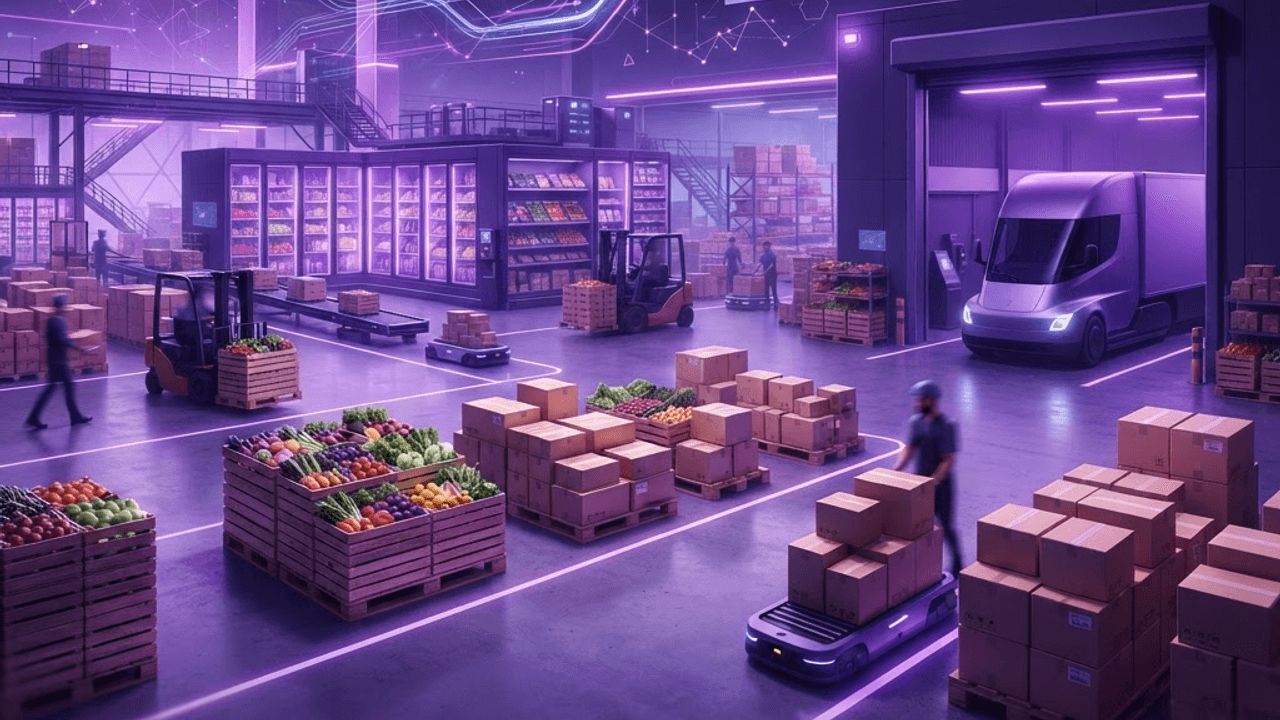
The Backbone of Huntington's Food Economy
Every plate served in Huntington begins in a warehouse. Broadline distributors, produce specialists, meat houses and beverage suppliers form an invisible infrastructure that determines whether a menu can hold its price, whether a school cafeteria can meet nutrition standards, and whether a corner grocer can stock fresh milk on a Sunday morning. In a city this size, those relationships are personal as often as they are contractual.
Huntington's position on the Ohio River and along major interstate corridors gives local operators access to both national supply networks and Appalachian farm output. That combination is valuable: a chef can build a core menu on reliable broadline items while sourcing seasonal produce, dairy or specialty meat within a short drive. The wholesalers below reflect that dual-track reality.
The Top 10 Food Wholesalers in Huntington
1. Ohio River Foodservice Company
A true broadline distributor carrying dry goods, frozen items, dairy, disposables and cleaning chemicals under one invoice. Its value is operational simplicity: one delivery, one account manager, one order guide. Independent restaurants use it as a base supplier and layer specialists on top for produce and protein.
2. Cabell Produce Exchange
A fresh produce house running daily loads with tight quality grading. Cabell Produce Exchange publishes market pricing weekly, which lets chefs plan specials around commodity movement, and it maintains relationships with regional growers so seasonal Appalachian items appear on the availability list alongside national staples.
3. Tri-State Meat & Provisions
Custom cutting is the differentiator here. Tri-State Meat & Provisions handles beef, pork and poultry with in-house fabrication, so operators can specify portion weights and trim levels rather than accepting standard case packs. Consistent portioning is one of the fastest ways for a restaurant to stabilize plate cost.
4. Highlawn Dairy Distributors
Dairy is unforgiving because shelf life is short and temperature abuse is invisible until it is not. Highlawn runs refrigerated routes with documented temperature logging and early morning delivery windows suited to bakeries, coffee shops and school kitchens that need product before service begins.
5. Marshall Bakery Supply
Flour, specialty grains, chocolate, fillings, laminated dough and packaging in one catalog. Marshall Bakery Supply serves both scratch bakeries and food-service kitchens that finish par-baked product, and it stocks smaller pack sizes that let small shops test new items without absorbing a full pallet.
6. Guyandotte Beverage Wholesale
Non-alcoholic beverage programs including juices, syrups, bottled water, energy drinks and coffee. The company handles equipment placement and service for dispensing systems, which matters because a broken fountain unit costs more in lost sales than the beverage margin itself.
7. Appalachian Farm Collective
An aggregator that consolidates output from smaller regional farms into single deliveries, solving the classic farm-to-table logistics problem. Chefs get provenance and seasonality without managing a dozen individual growers, and menus gain credible local sourcing claims backed by traceable records.
8. New Field Frozen Foods
Frozen specialists with strong depth in vegetables, proteins, appetizers and desserts. New Field's cold-chain discipline and pallet-level inventory reporting make it a common choice for institutional buyers such as schools and care facilities that need consistent nutrition documentation and predictable case pricing.
9. Fifth Street Specialty Imports
Imported oils, vinegars, cheeses, cured meats, pastas, spices and condiments for kitchens that need a distinctive pantry. Small case quantities and knowledgeable product support help chefs experiment, and the catalog rotates enough to keep menu development interesting without destabilizing core costs.
10. Riverbend Restaurant Supply
Primarily disposables, smallwares and janitorial supply, but increasingly a hybrid partner with shelf-stable food items. Consolidating non-food purchasing here reduces the number of vendors a manager must chase, which is often the real bottleneck in a small operation.
How to Choose a Food Distributor
Start with cold chain. Ask how refrigerated and frozen loads are monitored, whether temperature data is available on request, and what happens when a load arrives out of specification. A distributor with a clear credit and replacement process is protecting your food safety record as well as your budget.
Next, look at the pricing structure. Cost-plus arrangements make margins visible and are easier to audit than fixed-price sheets that quietly drift. Confirm delivery windows against your prep schedule, ask about minimum order thresholds and fuel surcharges, and check whether the order guide can be locked to prevent unapproved substitutions during service weeks.
Industry Trends Worth Watching
Menu volatility has pushed operators toward flexible sourcing, with more kitchens splitting volume between a broadline supplier and two or three specialists. Digital ordering platforms with real-time inventory visibility are now expected rather than impressive. And sustainability pressure is showing up practically, through packaging reduction, waste tracking and demand for regional sourcing that shortens transport distance.
Cold Chain, Compliance and Delivery Windows
For any operator buying protein, dairy or produce, the strength of a Huntington distributor is measured less by catalog size than by temperature discipline. Ask how refrigerated trailers are pre-cooled, whether drivers log product temperatures at delivery, and what happens when a case arrives out of spec. The best houses in the market treat that documentation as routine and will hand over records without hesitation, because health inspectors and corporate auditors increasingly ask for the same paper trail that a careful chef does.
Delivery windows are the other operational make-or-break. A restaurant with a single receiving door and a two-person morning crew cannot absorb a truck that shows up during service. Established Huntington distributors typically run fixed route days by neighborhood, which is a genuine advantage: predictable windows let kitchens schedule prep, verify invoices line by line and catch shorts before the driver leaves. Operators who negotiate a firm window and a named route driver almost always report fewer errors than those who accept open-ended delivery promises.
Menu Costing in a Volatile Market
Ingredient volatility has become a permanent condition rather than an occasional shock, and the distributors that thrive in Huntington are the ones helping customers manage it. Some publish forward-looking market reports on beef, eggs and cooking oil; others will lock pricing on high-volume commodity items for a quarter in exchange for committed volume. Both tools let an operator hold a menu price steady long enough to plan.
Smart buyers also build substitution ladders in advance. If a cut of pork moves outside the target food cost, knowing which alternative the distributor stocks in depth prevents a scramble at 6 a.m. Working through those scenarios with a sales representative before the season turns is one of the cheapest forms of insurance available to an independent kitchen.
Final Thoughts
The best food wholesaler in Huntington is the one whose strengths match your weaknesses. If portion control is your problem, a meat specialist earns its premium. If labor is short, a distributor with strong prepared components saves more than it costs. Audit your invoices quarterly, measure fill rates honestly, and treat supplier selection as an ongoing operational decision rather than a one-time contract.