
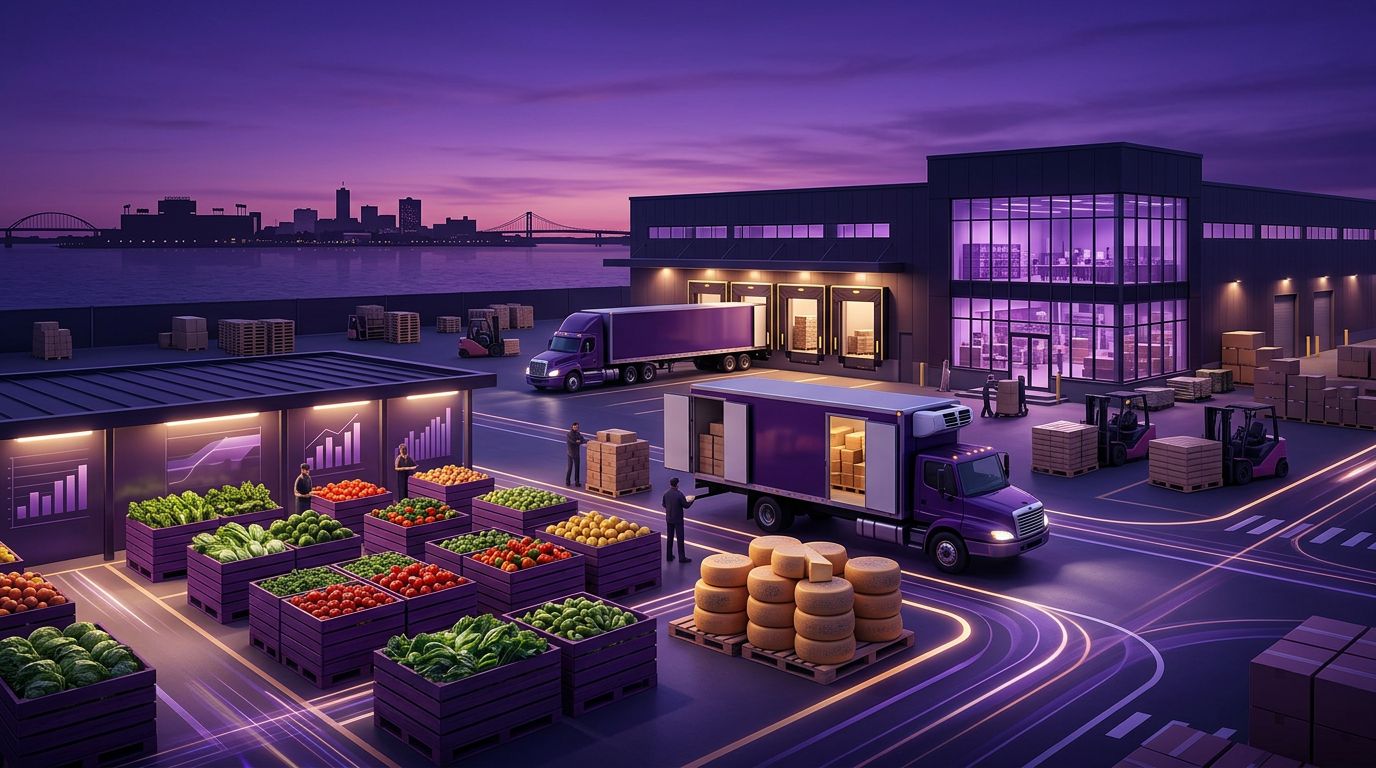
Food Wholesale in America's Dairyland
Green Bay sits in the heart of America's Dairyland, surrounded by dairy farms, cheese plants, vegetable growers, and meat processors. This abundance of local food production, combined with a thriving restaurant scene and strong institutional demand, makes the city an important hub for food wholesale and distribution.
From supper clubs serving Friday fish fries to school cafeterias, hospitals, and grocery stores, Green Bay buyers rely on wholesalers who can deliver consistent quality, competitive pricing, and dependable service, even during the coldest winter months.
How We Chose These Food Wholesalers
We evaluated food wholesalers and producers based on product range, freshness, delivery reliability, food safety, customer service, and connections to the Green Bay area. The list includes broadline distributors and major regional producers that sell wholesale.
The Top 10 Food Wholesalers Serving Green Bay
1. Sysco
Sysco is the largest foodservice distributor in North America, supplying restaurants, healthcare facilities, schools, and hospitality businesses. Its Eastern Wisconsin operations provide Green Bay customers with a wide range of fresh, frozen, and dry products, along with menu planning and business support.
2. Reinhart Foodservice
Reinhart Foodservice, with Wisconsin roots, is one of the largest broadline distributors in the country. It is known for personalized service, strong local relationships, and a product mix that includes regional favorites.
3. US Foods
US Foods offers an extensive catalog of foodservice products, including exclusive brands and innovative menu items. Its technology tools help restaurants manage ordering, inventory, and costs more efficiently.
4. Gordon Food Service
Gordon Food Service is a family-owned distributor serving restaurants, schools, and healthcare facilities across the Midwest. Its retail stores also provide smaller businesses and households with wholesale-style purchasing.
5. Performance Foodservice
Performance Foodservice supplies independent and chain restaurants with a broad assortment of products. It is recognized for supporting local operators with specialty items and flexible delivery schedules.
6. Schreiber Foods
Headquartered in Green Bay, Schreiber Foods is one of the largest dairy companies in the world, producing cheese, cream cheese, and yogurt for retail and foodservice brands. Its employee-owned structure and focus on quality have made it a pillar of the local economy.
7. BelGioioso Cheese
BelGioioso Cheese, based in the Green Bay area, crafts award-winning Italian-style cheeses such as mozzarella, provolone, and parmesan. Restaurants and retailers across the country rely on its artisan quality and Wisconsin milk.
8. American Foods Group
Green Bay-based American Foods Group is a major beef processor supplying retail, foodservice, and export markets. Its scale and food safety standards make it a significant player in the national protein supply chain.
9. Lakeside Foods
Lakeside Foods, headquartered in Manitowoc, processes canned and frozen vegetables, along with other food products. Its partnerships with Wisconsin growers help bring fresh, local produce to store shelves and foodservice kitchens.
10. SpartanNash
SpartanNash distributes groceries to independent retailers across the Midwest. Many neighborhood grocery stores in Northeast Wisconsin depend on its supply chain to compete with larger chains.
Trends in Food Wholesale
Local sourcing is a major trend in Green Bay, as diners and shoppers increasingly prefer Wisconsin-made cheese, meat, and produce. Wholesalers are expanding their local product offerings and highlighting regional producers. Technology is another key trend, with online ordering platforms, route optimization, and temperature tracking improving efficiency and food safety.
Labor shortages in restaurants are boosting demand for prepared and value-added products that reduce kitchen labor, such as pre-cut vegetables and ready-to-cook proteins.
How to Choose a Food Wholesaler
Evaluate product quality, delivery frequency, minimum order requirements, and pricing structures. Ask about food safety certifications, cold chain management, and how the distributor handles substitutions and shortages. For restaurants, value-added services such as menu development, marketing support, and cost analysis can be just as important as product prices.
Building a strong relationship with your sales representative often leads to better service, early notice of price changes, and access to new products.
Frequently Asked Questions
What local foods do Green Bay restaurants feature most?
Wisconsin cheese, cheese curds, bratwurst, Great Lakes whitefish and perch, and seasonal produce are staples on local menus. Supper clubs and taverns often highlight these regional favorites, especially during Friday fish fries.
How do wholesalers handle winter deliveries?
Distributors serving Northeast Wisconsin use temperature-controlled trucks, route planning, and flexible scheduling to maintain deliveries during snowstorms. Many restaurants keep a small buffer of key items to prepare for weather delays.
Can small restaurants work with broadline distributors?
Yes, although minimum order requirements may apply. Smaller operators can also use cash-and-carry stores or specialty distributors for flexibility.
Final Thoughts
Green Bay's food wholesale market combines national distribution strength with world-class local production. These ten companies help keep the region's kitchens, cafeterias, and grocery shelves stocked with safe, high-quality food that reflects Wisconsin's proud culinary heritage.
Green Bay's hospitality calendar also shapes food wholesale demand. Packers home games, conventions at the KI Convention Center, summer festivals, and holiday gatherings all create sharp spikes in orders. Distributors that understand these local rhythms help restaurants and caterers plan inventory, avoid shortages, and serve large crowds without sacrificing freshness or quality.