
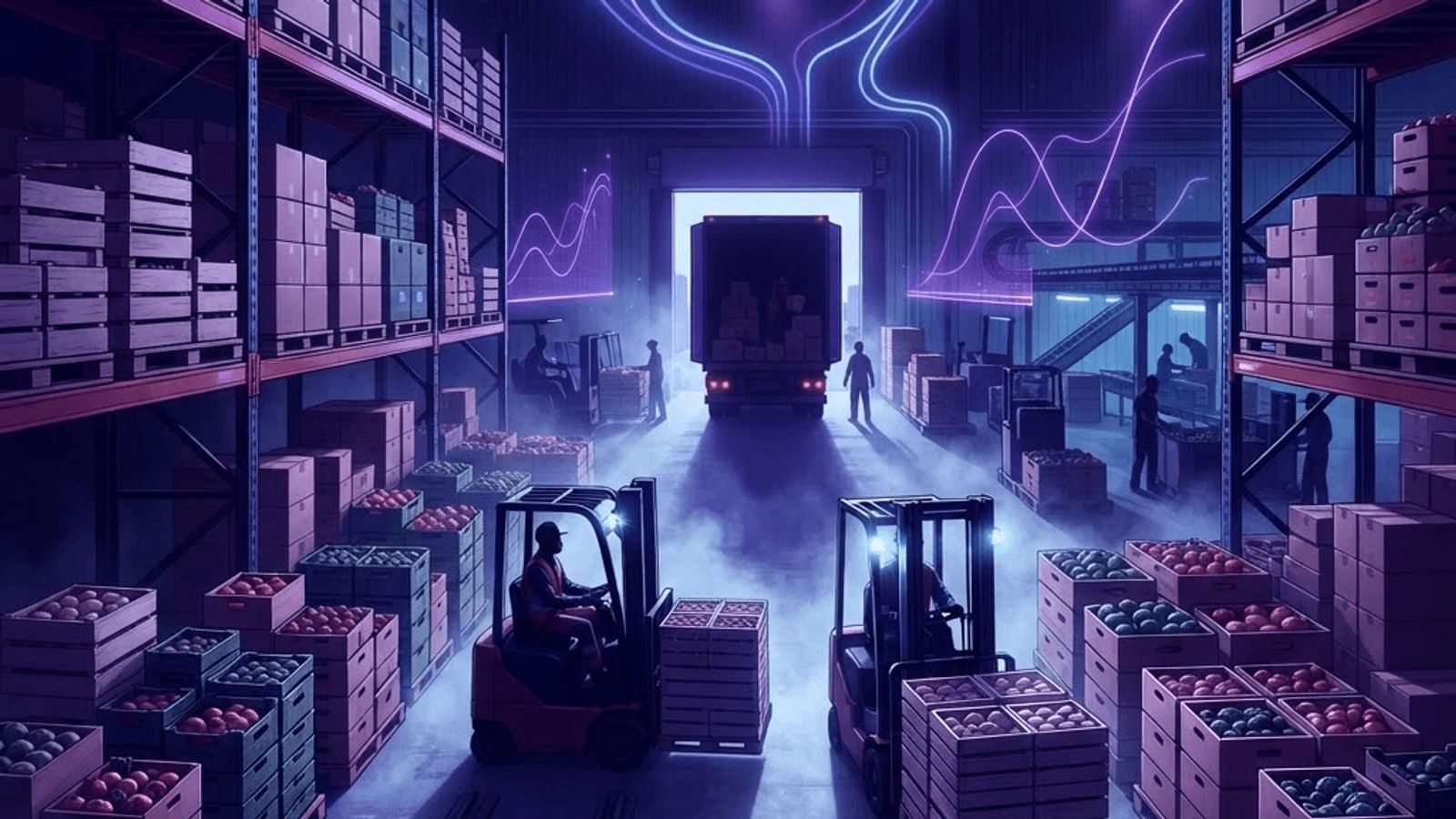
Few regions of the United States have a food distribution presence as significant as West Michigan. Grand Rapids sits within reach of major foodservice and grocery distributors, an agricultural belt producing fruit, vegetables and dairy, and a restaurant scene that has drawn national attention. For restaurants, institutions, retailers and food manufacturers, the wholesale landscape here is deep and competitive.
The Food Distribution Landscape in West Michigan
Michigan is one of the most agriculturally diverse states in the country, second only to California by some measures. The lakeshore fruit belt produces apples, cherries, blueberries and peaches. Inland farms produce dairy, grains, asparagus and vegetables. That local supply feeds into a distribution network that ranges from massive national operations to small farm aggregators.
The result is unusual optionality. A Grand Rapids restaurant can source broadline products from a national distributor while buying produce from a regional farm cooperative and specialty items from an importer, all with reliable delivery schedules.
The Top 10 Food Wholesalers Serving Grand Rapids
1. Gordon Food Service
Gordon Food Service, headquartered in Wyoming just outside Grand Rapids, is one of the largest family-operated foodservice distributors in North America. It serves restaurants, healthcare facilities, schools and other institutions with broadline distribution, and its retail store format also serves small operators and the public.
2. SpartanNash
SpartanNash, based in Byron Center, is a major food solutions company distributing grocery products to independent retailers and military commissaries while operating its own retail banners. Its scale makes it central to grocery supply throughout the Midwest.
3. Sysco Grand Rapids
Sysco operates a major distribution facility serving West Michigan foodservice customers with a broadline catalog spanning produce, protein, dry goods, equipment and supplies. Its route density supports frequent delivery schedules for restaurants.
4. Van Eerden Foodservice
Van Eerden Foodservice is a Grand Rapids based, family-owned distributor with a long regional history. Independent restaurants often prefer working with a locally headquartered distributor for flexibility on custom orders and closer account relationships.
5. US Foods
US Foods serves Michigan restaurants and institutions with broadline distribution plus menu consulting, business technology tools and food safety resources that help independent operators manage costs and compliance.
6. Meijer Distribution
Meijer, the West Michigan founded supercenter chain, operates extensive distribution infrastructure supporting its stores across the Midwest. Its supplier programs also create opportunities for local food producers seeking regional retail placement.
7. Michigan Farm to Institution Suppliers
Regional food hubs and farm aggregators connect small and mid-sized Michigan farms with restaurants, schools and hospitals, handling the aggregation, food safety documentation and logistics individual farms cannot manage alone.
8. Specialty and Ethnic Food Importers
Importers and specialty wholesalers supply ingredients for the region's diverse restaurant scene, including Asian, Latin American, Middle Eastern and European products that broadline distributors carry only partially.
9. Produce Wholesalers and Terminal Suppliers
Dedicated produce distributors provide fresher inventory, more frequent delivery and broader variety than typical broadline produce programs, which matters greatly for restaurants building menus around seasonal ingredients.
10. Beverage and Bakery Distributors
Specialized distributors handle coffee, beverages, baked goods and dairy with dedicated delivery routes and equipment programs. Given the strength of the region's coffee and brewing culture, these suppliers are notably sophisticated.
How Restaurants Should Choose a Distributor
Most successful operators use a primary broadline distributor supplemented by specialists. The broadline partner covers the bulk of the order guide with consistent delivery, while specialty suppliers handle produce, proteins or ingredients where quality differences are most visible to guests.
Evaluate delivery frequency, order cutoff times, minimum order thresholds, fill rate performance and how substitutions are handled. A distributor that quietly substitutes products without notice creates real problems for kitchens working from tested recipes.
Pricing, Contracts and Cost Management
Foodservice pricing is complex. Understand whether pricing is cost-plus, market-based or contracted, and request transparency on how fuel surcharges and market volatility flow through. Group purchasing organizations can improve pricing for independent operators, though they may restrict supplier flexibility.
Track price movement on top-spend items rather than the entire order guide. A small number of products typically drive most food cost, and monitoring those closely delivers more benefit than reviewing hundreds of line items.
Food Safety and Cold Chain Integrity
Distributor food safety practices directly affect the buyer's liability. Ask about temperature monitoring throughout the cold chain, third-party audit results, recall notification procedures and traceability documentation. For institutional buyers serving vulnerable populations, these questions should be answered before pricing is even discussed.
Local Sourcing and Sustainability
Michigan's agricultural diversity makes local sourcing genuinely practical for much of the year, and many Grand Rapids restaurants build their identity around it. Distributors increasingly offer local product programs with farm identification, which supports menu storytelling and shortens supply chains. Waste reduction, right-sized packaging and delivery route efficiency have also become common discussion points in distributor selection.
Final Thoughts
Grand Rapids offers food buyers an exceptional range of wholesale options, anchored by nationally significant distributors headquartered in the area and complemented by specialty suppliers and regional farm networks. The strongest supply strategies combine a dependable broadline partner with carefully chosen specialists in categories where quality is most visible on the plate.