
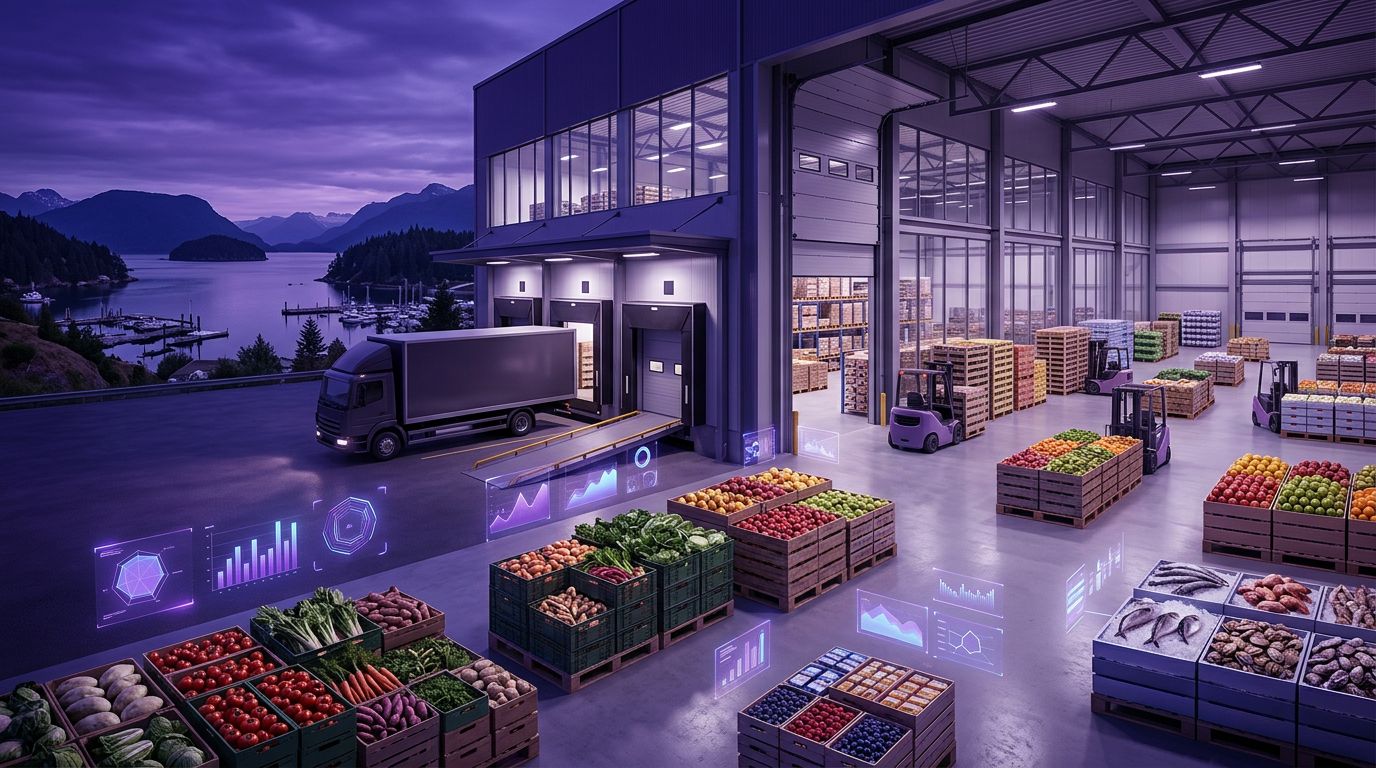
Feeding Everett's Food Economy
Everett's food scene has grown impressively, with waterfront restaurants, breweries, cafes, food trucks, and diverse international eateries. Behind every great menu is a reliable supply chain. Food wholesalers provide restaurants, schools, hospitals, caterers, and grocers with the fresh produce, proteins, dairy, and dry goods they need. Snohomish County's proximity to farmland, Puget Sound seafood, and major distribution centers makes it well served by food wholesalers.
Here are ten of the top food wholesalers serving Everett.
1. Sysco
Sysco is the largest foodservice distributor in North America. Its regional operations serve restaurants, healthcare facilities, and schools across the Puget Sound with a vast catalog of fresh, frozen, and dry products. Sysco also offers menu consulting and business tools that help operators control costs.
2. US Foods
US Foods is a major foodservice distributor with a strong presence in western Washington. It supplies restaurants with chef-inspired private label products, fresh produce, and specialty items. Its online ordering platform and product innovation programs make it popular with independent restaurants.
3. Charlie's Produce
Charlie's Produce is a Northwest-based produce distributor known for quality fresh fruits and vegetables. It sources from local farms when in season and from growers worldwide year round. Everett chefs appreciate its consistency and commitment to freshness.
4. Costco Business Center
The Costco Business Center in Lynnwood caters to restaurants, offices, and convenience stores with bulk food, beverages, and supplies. Its delivery service and competitive pricing make it a practical option for small food businesses.
5. Restaurant Depot
Restaurant Depot is a members-only wholesale cash-and-carry warehouse serving foodservice businesses. It offers fresh meat, seafood, produce, and kitchen supplies at wholesale prices, allowing operators to shop on their own schedule.
6. Smart Foodservice Warehouse Stores
Smart Foodservice operates warehouse stores open to businesses and the public, offering restaurant-quality products in bulk sizes without membership fees. It is a convenient resource for caterers, nonprofits, and small restaurants in Snohomish County.
7. Pacific Seafood
Pacific Seafood is a Northwest seafood processor and distributor supplying fresh and frozen fish and shellfish. Everett restaurants that highlight Northwest salmon, Dungeness crab, and oysters benefit from its regional sourcing and quality standards.
8. Ocean Beauty Seafoods
Ocean Beauty Seafoods is a Seattle-based company known for Alaskan salmon and seafood products. It serves foodservice and retail customers with smoked, canned, fresh, and frozen seafood, connecting Everett to the region's rich fishing heritage.
9. Darigold
Darigold is a farmer-owned dairy cooperative headquartered in Seattle. It supplies milk, butter, cream, and cheese to grocers and foodservice operators across the Northwest. Many dairy farms in Snohomish County are part of the cooperative, keeping dairy production close to home.
10. Local Farm Distributors and Food Hubs
Regional food hubs and farm distributors connect Everett buyers with growers in the Snohomish, Skagit, and Stillaguamish valleys. They aggregate produce, eggs, meat, and specialty products from small farms, making it easier for restaurants and schools to buy local.
Trends in Food Wholesale
Local sourcing continues to be a major trend. Everett diners value seasonal menus featuring Northwest berries, produce, and seafood. Wholesalers are responding with local product programs and transparent sourcing information. Plant-based products, global flavors, and allergen-friendly options are also growing as menus diversify.
Technology is transforming ordering and logistics. Online platforms, inventory tracking, and route optimization help wholesalers deliver accurately and efficiently. Sustainability initiatives, including reducing food waste and using eco-friendly packaging, are increasingly important.
How to Choose a Food Wholesaler
Consider product quality, delivery frequency, minimum order requirements, pricing, and customer service. Restaurants should evaluate whether a broadline distributor or a combination of specialty suppliers best fits their menu. Ask about food safety certifications, cold chain practices, and how substitutions are handled when products are out of stock.
Many operators use a primary broadline distributor for staples and specialty suppliers for produce, seafood, or local products. This approach balances convenience with quality and flexibility.
Frequently Asked Questions
Can a new restaurant open an account with a broadline distributor?
Yes. Most distributors welcome new accounts, although they may require a business license, credit application, and minimum order amount. Some offer startup support, including menu costing and product sampling.
How can restaurants buy more local food?
Ask distributors about their local product programs, connect with regional food hubs, and visit farmers markets in Everett and Snohomish to build relationships with growers. Seasonal menus make it easier to feature local ingredients when they are at their best.
What is the best way to control food costs?
Track inventory regularly, compare pricing across suppliers, standardize recipes, and reduce waste through careful ordering and creative use of trim. Reviewing invoices for substitutions and price changes also helps prevent surprises.
Conclusion
Everett's food wholesalers support a thriving culinary community by providing reliable access to quality ingredients. From national distributors to Northwest seafood specialists and local food hubs, operators have many excellent options. Choosing the right partners helps restaurants and institutions serve delicious food, manage costs, and celebrate the flavors of the Pacific Northwest.