
Why Food Distribution Concentrates in Chesapeake
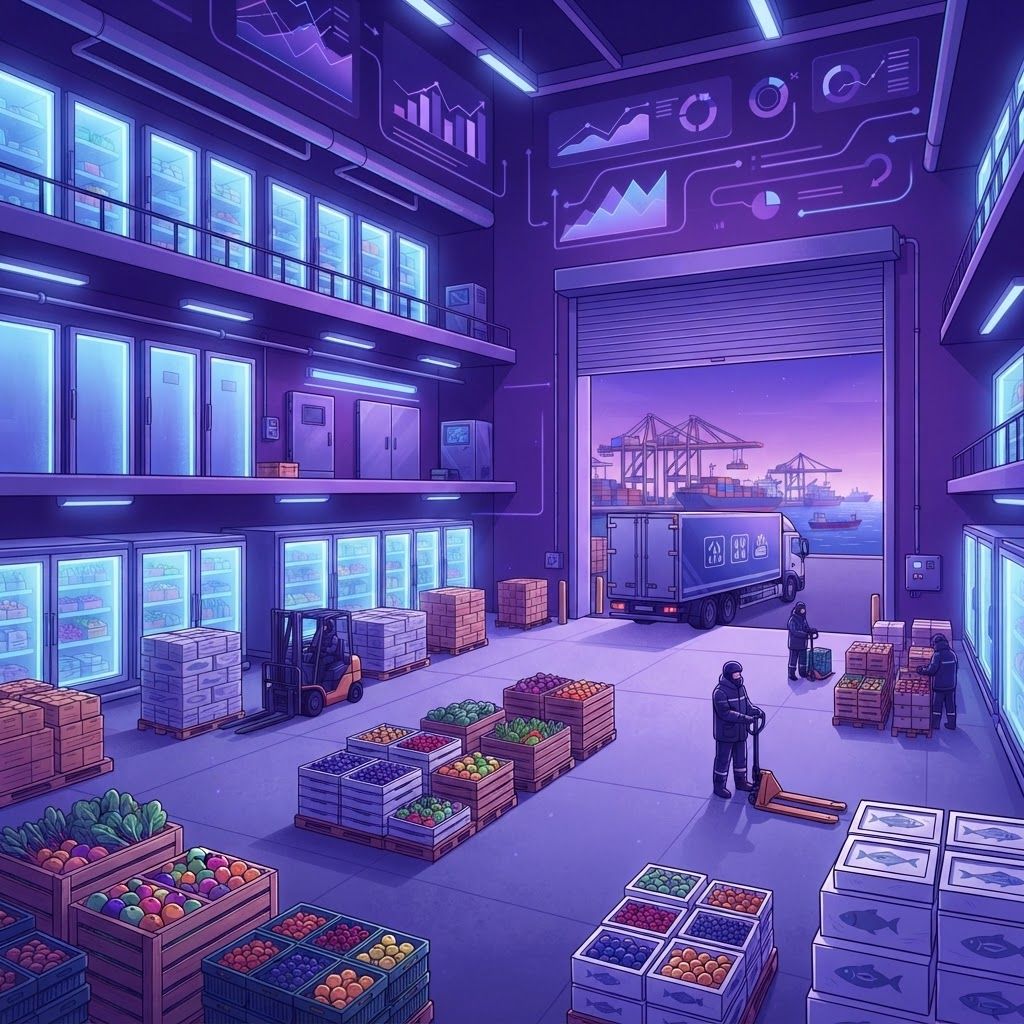
Chesapeake's warehouse corridors have become a natural staging ground for food distribution across southeastern Virginia. Interstate access shortens delivery routes to Norfolk, Virginia Beach, Portsmouth and Suffolk, while port terminals bring in imported dry goods, produce and seafood. Add the surrounding farmland in the southern part of the city and the commercial fishing activity along the bay and its tributaries, and you get a market where both local sourcing and global sourcing are practical from the same dock.
The customer base is equally broad. Independent restaurants and food trucks buy in small, frequent drops. School divisions and healthcare kitchens buy on contract with strict specification and documentation requirements. Convenience stores, ethnic grocers, bakeries and caterers each need a different mix of case sizes, delivery windows and credit terms. The wholesalers that thrive here are the ones that pick a lane and serve it precisely.
What Foodservice Buyers Actually Evaluate
Cost per case matters, but operators rank other factors higher. Cold chain integrity is first: temperature logs, refrigerated fleet condition and receiving discipline determine whether product arrives usable. Fill rate is second, because a missing protein case forces a menu change at service. Then come food safety credentials and third-party audit documentation, delivery consistency, order cutoff flexibility, and a sales representative who flags substitutions before the truck arrives rather than after.
The Top 10 Food Wholesalers in Chesapeake
1. Tidewater Foodservice Distributors
The broad-line benchmark for the region, Tidewater Foodservice Distributors supplies proteins, produce, dairy, frozen items, dry goods, disposables and cleaning chemicals from a single order. Independent operators consistently praise its fill rates, dependable delivery windows and consultative representatives who help build menus around available product. Multi-temperature warehousing and a well-maintained refrigerated fleet underpin its reliability.
2. Chesapeake Bay Seafood Wholesale
Seafood is the region's signature category, and this wholesaler handles blue crab, oysters, clams, rockfish, flounder and shrimp alongside imported frozen product. Strong relationships with local watermen, careful harvest tagging and traceability documentation, and daily availability updates make it a trusted supplier for restaurants that market local catch honestly and for grocers running seafood counters.
3. Great Bridge Produce Company
Working with growers in southern Chesapeake and across the Mid-Atlantic, Great Bridge Produce Company supplies fresh vegetables, fruit, herbs and fresh-cut items to kitchens throughout Hampton Roads. Its differentiators are early morning delivery windows that let chefs receive before prep, seasonal local programs during Virginia growing months, and value-added processing that reduces labor in understaffed kitchens.
4. Hampton Roads Meat and Protein Supply
Center-of-plate specialists, this wholesaler offers beef, pork, poultry, lamb and portion-controlled cuts with custom fabrication available. Butchers on staff, consistent yield grading and the ability to cut to a chef's exact specification give restaurants tighter plate cost control than commodity case buying allows, and its documentation supports institutional contract requirements.
5. Deep Creek Bakery and Ingredient Wholesale
Serving bakeries, pizzerias, cafes and in-store bake programs, Deep Creek Bakery and Ingredient Wholesale stocks flours, yeast, chocolate, fillings, frozen doughs, par-baked breads and packaging. Technical support on formulation and scaling, plus consistent lot quality on flour and chocolate, help production bakers keep results stable when volume changes week to week.
6. Greenbrier Beverage and Coffee Distributors
This distributor covers coffee, tea, syrups, juices, bottled beverages and dispensed drink programs, including equipment placement and service. Cafes and restaurants value its barista training support, equipment maintenance response times and roast profile options that allow a small shop to build a distinctive beverage program without importing directly.
7. Bells Mill Specialty and International Foods
Hampton Roads has a diverse and growing food culture, and this wholesaler supports it with Asian, Latin American, Mediterranean and Caribbean ingredients, from rice and noodles to spices, sauces, oils and specialty produce. Independent ethnic grocers and chefs building authentic menus rely on its sourcing depth and willingness to bring in low-volume items on request.
8. Southeastern Parkway Frozen and Cold Storage
Combining wholesale distribution with third-party cold storage, this operation supplies frozen proteins, vegetables, appetizers, desserts and ice cream while also renting freezer space to smaller producers. That dual role makes it useful to caterers with seasonal volume swings and to local food manufacturers that need overflow capacity without signing a long lease.
9. Western Branch Dairy and Refrigerated Supply
Focused on the short-shelf-life categories that punish sloppy logistics, Western Branch Dairy and Refrigerated Supply delivers milk, cream, butter, cheese, eggs and refrigerated prepared items on frequent routes. Tight temperature control, rotation discipline and multiple weekly deliveries protect operators from the shrink that ruins margins in dairy-heavy menus.
10. Chesapeake Restaurant Supply and Dry Goods
Rounding out the list, this wholesaler concentrates on shelf-stable staples, canned goods, oils, seasonings, disposables and janitorial supplies, often at pallet pricing for high-volume users. Operators use it as a complement to broad-line service, locking in predictable pricing on non-perishables while keeping fresh categories with specialists.
Trends Shaping the Local Food Wholesale Market
Several trends are reshaping buying behavior. Local sourcing has moved from marketing language to menu strategy, pushing distributors to document farm and harvest origins. Labor shortages continue to drive demand for value-added and pre-processed items that shift prep upstream. Traceability expectations, driven by both regulation and customer questions, favor wholesalers with real lot-level records. Cost volatility in proteins and freight has made transparent pricing conversations and forward contracts more common. And packaging waste reduction is now a routine part of supplier reviews.
How to Select and Manage a Food Wholesaler
Match distributor type to your operation. A single-location restaurant usually benefits from one broad-line partner plus a produce or seafood specialist, while a caterer with irregular volume needs flexible ordering more than rock-bottom pricing. During evaluation, request recent fill rate data, verify food safety audit status, confirm order cutoff times against your prep schedule and clarify how credits for damaged or out-of-temperature product are issued. Once onboard, review pricing quarterly and track substitutions, because those two numbers reveal partnership quality faster than anything on the invoice.
Final Thoughts
Chesapeake's food wholesalers combine port access, regional farmland and bay seafood into an unusually complete supply base. The best of them earn loyalty not through the lowest case price but through cold chain discipline, dependable fill rates and representatives who understand that a missing delivery is a service failure, not a paperwork issue.