
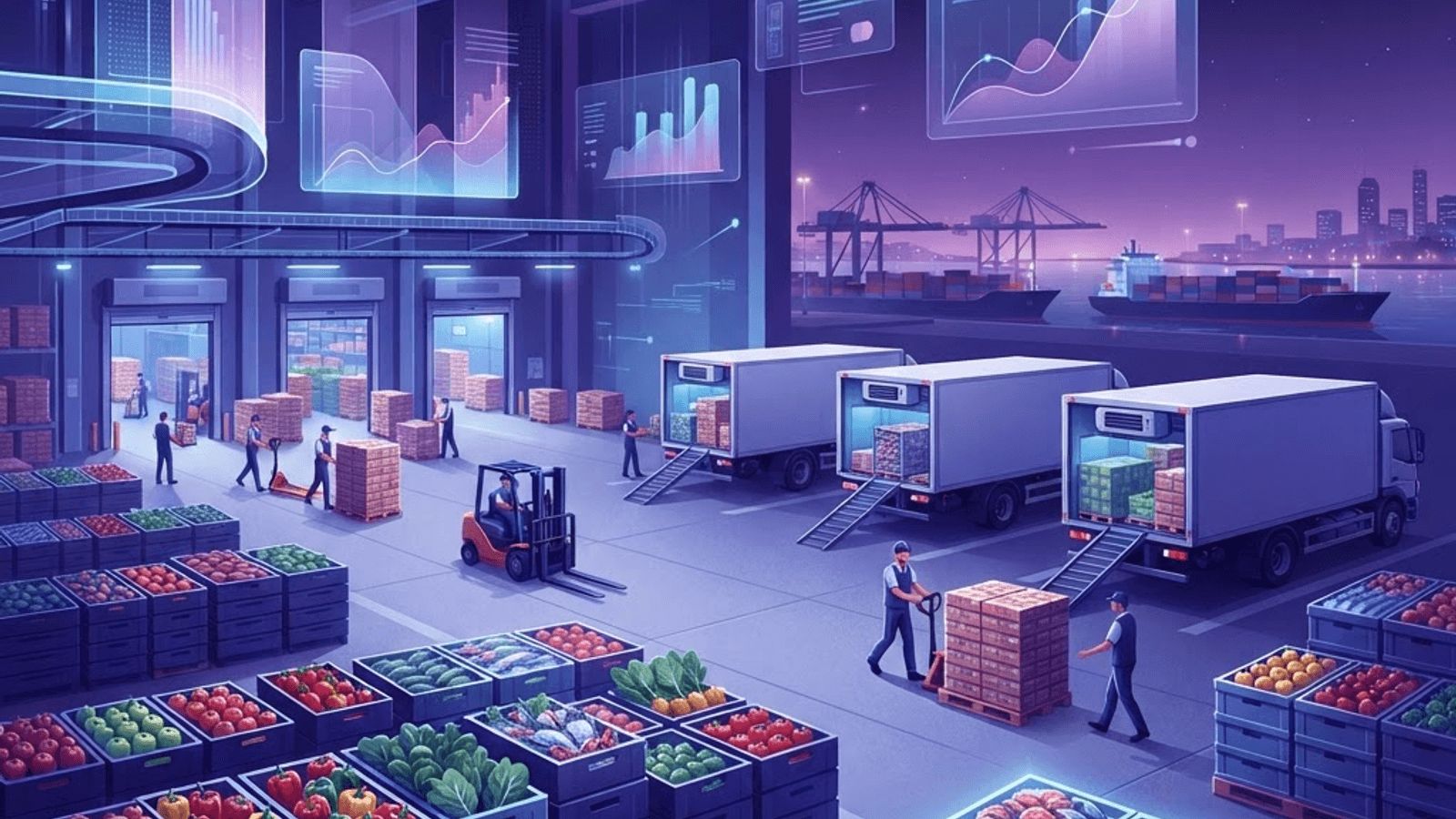
Feeding One of America's Great Food Cities
Charleston's reputation as a culinary destination rests on the visible work of chefs and the invisible work of food wholesalers. Behind every plate of shrimp and grits, every oyster roast, and every farm-driven tasting menu is a distribution network that moves perishable product from boats, farms, and processors to kitchens on a daily rhythm. In a city where restaurants compete intensely on ingredient quality, the supplier relationship is often the difference between a good kitchen and a great one.
The Lowcountry's geography shapes this market distinctly. Local waters supply shrimp, oysters, crab, and finfish. Surrounding farmland grows produce nearly year round. Meanwhile, tourism creates dramatic seasonal swings that wholesalers must absorb without leaving kitchens short. The ten companies below navigate those demands.
Top 10 Food Wholesalers Serving Charleston
1. Lowcountry Seafood Distributors
Sourcing directly from regional boats and docks, Lowcountry Seafood Distributors supplies shrimp, oysters, clams, crab, and finfish to restaurants and markets. Same-day handling, careful cold-chain discipline, and transparency about catch origin have made it a trusted partner for kitchens where seafood defines the menu.
2. Palmetto Produce Company
Connecting area farms with commercial kitchens, Palmetto Produce Company delivers fruits, vegetables, and herbs with an emphasis on seasonal local sourcing supplemented by national supply when needed. Chefs value the early notice about what is coming into season and in what volume.
3. Harbor Meat and Butchery Supply
Providing beef, pork, poultry, and custom butchery, Harbor Meat and Butchery Supply handles both commodity cuts and specialty requests. In-house cutting allows chefs to specify thickness, trim, and portion size precisely rather than adapting menus to standard offerings.
4. Cooper River Broadline Foodservice
A full-line distributor carrying dry goods, frozen items, dairy, disposables, and cleaning supplies, Cooper River Broadline Foodservice serves restaurants, schools, and institutions that prefer consolidating orders with fewer deliveries and a single invoice.
5. Ashley Specialty and Imported Foods
Fine dining kitchens and specialty retailers source imported cheeses, cured meats, oils, vinegars, and pantry ingredients through Ashley Specialty and Imported Foods. Product knowledge and willingness to locate hard-to-find items support ambitious menu development.
6. Port City Bakery Supply
Bakeries, pastry kitchens, and restaurants source flours, chocolate, leaveners, and finished frozen items from Port City Bakery Supply. Consistency in flour performance and chocolate tempering behavior matters enormously in this category and drives supplier loyalty.
7. Sea Island Beverage Distribution
Covering non-alcoholic beverages, coffee, tea, and bar ingredients, Sea Island Beverage Distribution serves cafes, restaurants, and hotels. Equipment support and staff training accompany product supply for coffee programs in particular.
8. Charleston Organic and Natural Foods
Responding to steady growth in natural and organic demand, Charleston Organic and Natural Foods distributes certified organic produce, pantry staples, and plant-based products to groceries, cafes, and health-focused restaurants with clear certification documentation.
9. Tidewater Frozen and Cold Storage
Operating temperature-controlled warehousing alongside distribution, Tidewater Frozen and Cold Storage supplies frozen proteins, vegetables, and prepared items while offering storage services to producers and importers needing regional cold capacity.
10. Carolina Restaurant Supply Group
Rounding out the category, Carolina Restaurant Supply Group distributes both food and the smallwares, packaging, and consumables restaurants consume daily, simplifying procurement for operators managing tight labor and administrative resources.
What Is Changing in Food Distribution
Traceability has become a central expectation. Kitchens want to know the boat, farm, or processor behind key ingredients, both for menu storytelling and for food safety accountability. Wholesalers who can document origin quickly have a real advantage.
Sustainability influences purchasing across seafood especially, where responsible harvest practices affect long-term supply. Labor constraints have increased demand for value-added preparation, with more kitchens buying portioned, cleaned, or partially prepared items. Technology has improved ordering accuracy and delivery visibility, though in perishables the fundamentals of cold chain and handling still determine quality more than software does.
Choosing a Food Wholesaler
Reliability outranks price in perishable supply. A missed delivery on a Friday afternoon costs far more than a small unit-price difference. Ask about delivery windows, order cutoff times, and what happens when a product is unavailable, since substitution policy reveals a great deal about a distributor's respect for your menu.
Verify food safety practices, including temperature monitoring, facility inspection results, and recall procedures. Evaluate product quality personally through sampling rather than accepting specifications on paper. Discuss pricing structure and whether it is transparent or shifts unpredictably. Finally, consider the sales representative relationship, because a knowledgeable rep who understands your kitchen becomes a genuine resource rather than an order taker.
Conclusion
Charleston food wholesalers support one of the most respected dining scenes in the country through daily logistical precision and deep product knowledge. The companies profiled here understand that their performance appears directly on the plate. For any operator building a menu in the Lowcountry, choosing these partners deliberately is as important as hiring the kitchen team.