
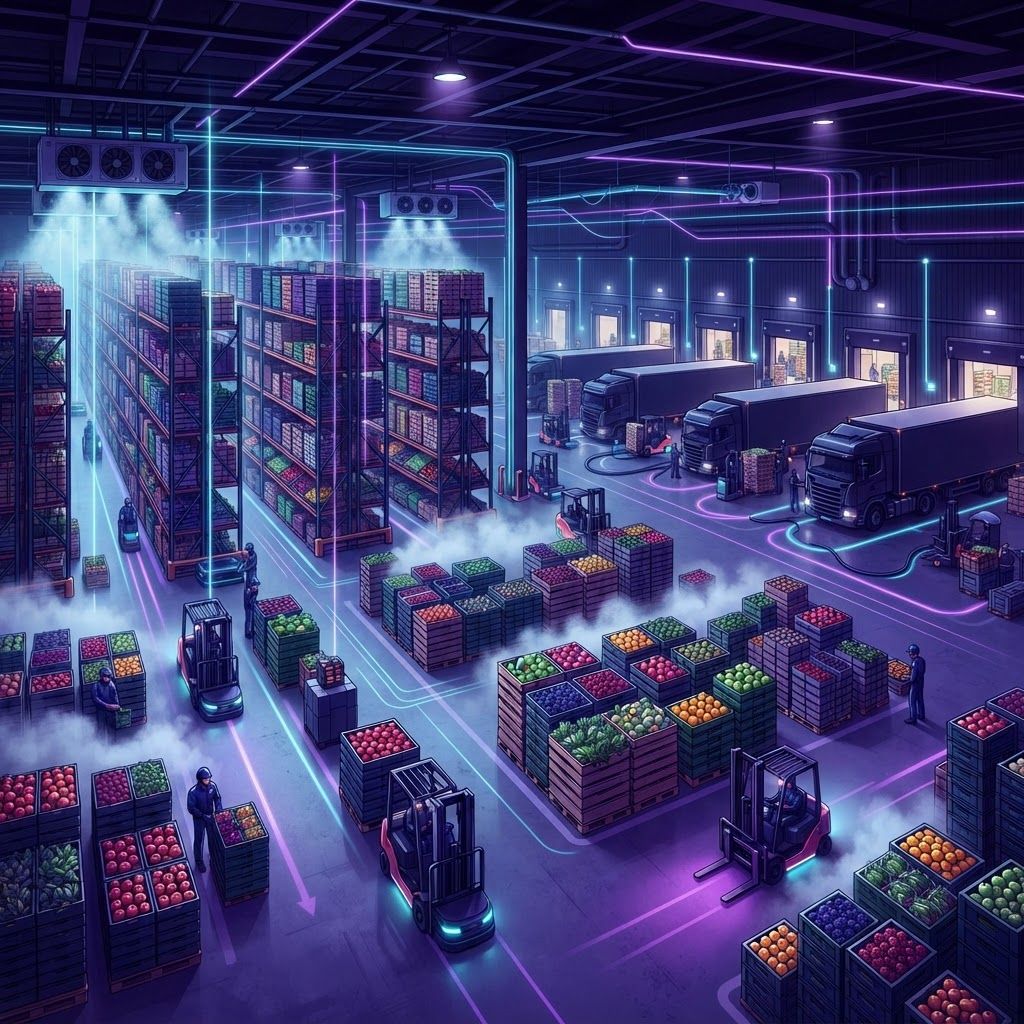
Food Distribution in the Rio Grande Valley
Few regions in the United States have a richer food supply environment than the Rio Grande Valley. Year-round growing seasons produce citrus, vegetables, and melons locally. The Gulf provides seafood. Cross-border trade brings an enormous volume of produce north through Texas ports of entry. Brownsville sits in the middle of all of it.
For restaurants, grocers, schools, hospitals, and hospitality operators, that translates into unusually good access to fresh products. But access alone is not enough. Food distribution demands cold chain integrity, food safety compliance, and delivery reliability, which is where quality wholesalers prove their value.
Food Safety Is the Baseline
Any serious food wholesaler operates under documented food safety programs. That means temperature monitoring throughout storage and transport, HACCP-based controls, pest management, supplier verification, and recall traceability that can identify affected lots quickly. Third-party audit certifications provide independent verification of these practices.
Buyers should also evaluate product rotation discipline. Proper stock rotation protects shelf life at the customer's location, and wholesalers who manage this well deliver measurably less waste to their accounts.
1. Rio Grande Produce Distributors
Rio Grande Produce Distributors supplies fresh fruits and vegetables sourced from Valley growers and cross-border shippers. Direct grower relationships allow the company to offer freshness and seasonal availability that longer supply chains cannot match.
2. Brownsville Foodservice Supply
Brownsville Foodservice Supply operates as a broadline distributor carrying proteins, dry goods, frozen items, dairy, and disposables. Restaurants value consolidating orders with one supplier to simplify receiving and invoicing.
3. Gulf Coast Seafood Wholesale
Gulf Coast Seafood Wholesale handles fresh and frozen seafood from Gulf waters and imported sources. Rapid cold chain handling from dock to delivery preserves quality in a category where freshness is immediately apparent to diners.
4. Frontera Meat and Protein Distributors
Frontera Meat and Protein Distributors supplies beef, pork, poultry, and prepared proteins with custom cutting and portioning services. Consistent portion control helps restaurant operators manage food cost precisely.
5. Valley Dairy and Refrigerated Products
Valley Dairy and Refrigerated Products distributes milk, cheese, eggs, and refrigerated prepared foods. Frequent delivery schedules keep highly perishable inventory fresh at customer locations without requiring large cooler capacity.
6. Southmost Specialty and Ethnic Foods
Southmost Specialty and Ethnic Foods carries Mexican, Latin American, and international ingredients that reflect the region's culinary identity. Authentic sourcing makes the company essential to restaurants serving traditional cuisine.
7. Cameron Bakery and Ingredient Supply
Cameron Bakery and Ingredient Supply provides flour, sugars, fats, fillings, and baking ingredients to bakeries and food manufacturers. Bulk packaging options and consistent ingredient performance support commercial baking operations.
8. Laguna Beverage Distribution
Laguna Beverage Distribution supplies soft drinks, juices, water, coffee, and non-alcoholic beverages to restaurants, convenience retailers, and institutions. Equipment support for dispensing systems complements the product line.
9. Port Brownsville Frozen Foods
Port Brownsville Frozen Foods operates cold storage and frozen distribution for both domestic and import products. Its facilities support bulk storage requirements for customers with seasonal or contract purchasing patterns.
10. Border Institutional Food Supply
Border Institutional Food Supply serves schools, healthcare facilities, and correctional institutions with nutrition-compliant products and bid-based contract fulfillment. Understanding institutional procurement rules and nutritional requirements is a specialized competency.
Trends in Food Wholesale
Local sourcing has moved from marketing angle to operational strategy. Restaurants and grocers increasingly want identifiable local products, and distributors who can document farm origins are meeting that demand while shortening supply chains.
Technology adoption is accelerating, with online ordering platforms, order guides tied to customer purchase history, and delivery tracking becoming standard expectations. Waste reduction is the third theme, as distributors help customers right-size orders and use better forecasting to cut spoilage. Labor constraints in kitchens have also increased demand for pre-cut and prepared products.
Selecting a Food Wholesale Partner
Evaluate delivery frequency and window reliability against your operation's storage capacity and prep schedule. Review food safety documentation and ask how recalls are communicated. Compare pricing structures carefully, understanding whether quoted costs are fixed for a period or subject to market fluctuation. Finally, assess the sales representative relationship, because a knowledgeable rep who alerts you to market shifts and seasonal opportunities adds real value.
Cold Chain Integrity From Dock to Kitchen
Temperature control is where food distribution succeeds or fails. Perishable products lose shelf life with every temperature excursion, and the damage is cumulative and often invisible until the product reaches a kitchen and spoils early. Serious distributors monitor temperature continuously in storage and transport, and can produce records on request.
Receiving practices at the customer's end matter just as much. Checking delivery temperatures, moving refrigerated items promptly into storage, and rejecting product outside specification protect the operation. Good distributors support this rather than resisting it, because they would rather correct a problem than have a customer serve compromised food.
Controlling Food Cost Through Smarter Purchasing
Food cost is the largest controllable expense in most kitchens, and purchasing discipline moves it more than menu pricing does. Ordering to par levels rather than instinct reduces both spoilage and emergency purchases. Reviewing order guides periodically reveals items that have crept up in price or are being bought out of habit rather than need.
Distributor representatives can help here if the relationship is collaborative. They see market movements early, know when a commodity is about to rise, and can suggest substitutions or forward purchases. Operators who treat their rep as an information source rather than an order taker generally manage cost better through volatile periods.
Final Thoughts
Food wholesalers in Brownsville cover produce, seafood, proteins, dairy, specialty ingredients, beverages, and institutional supply. With the Valley's agricultural abundance and cross-border produce flow, operators here have access to a food supply chain that combines freshness, variety, and competitive pricing.