
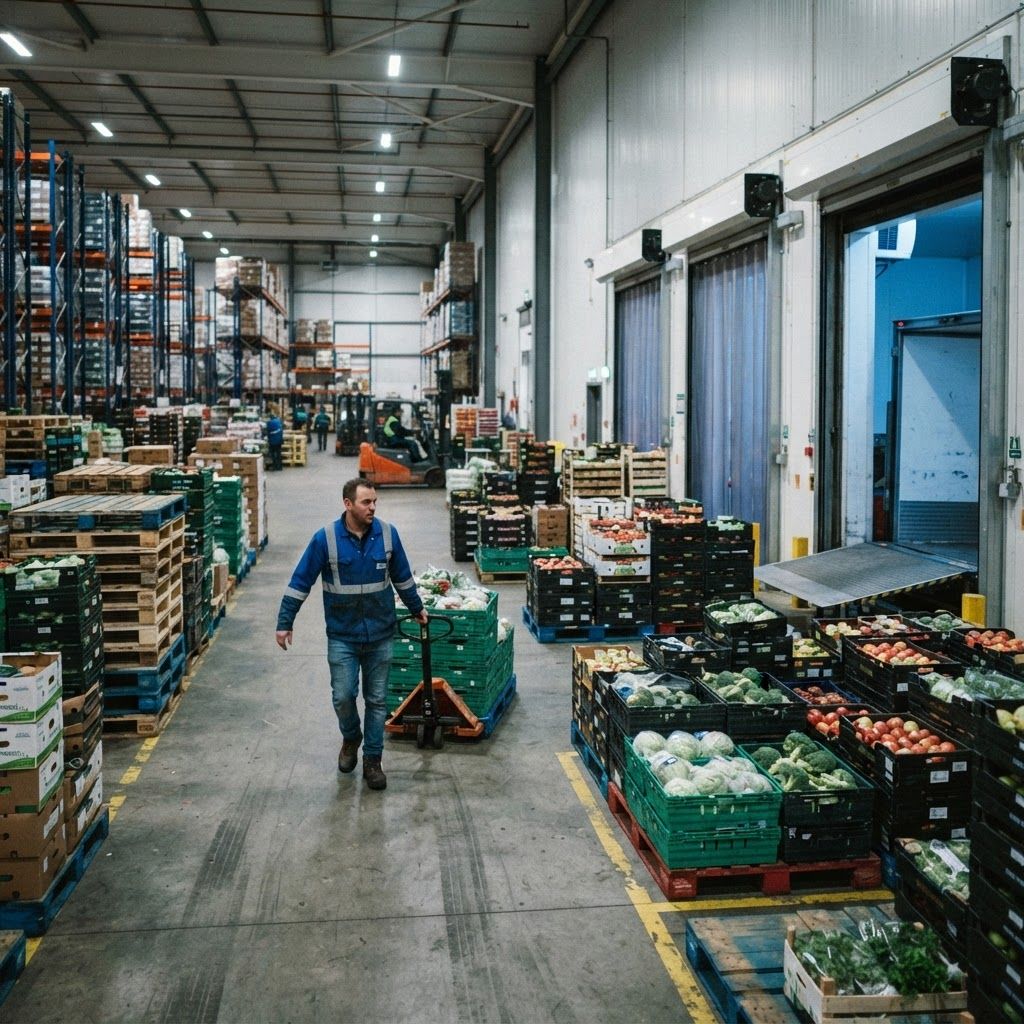
Food Distribution in a Growing Culinary Market
Boise City's food scene has matured considerably, moving from a handful of established institutions to a dense mix of independent restaurants, breweries, coffee roasters, food trucks, and specialty grocers. That expansion has raised expectations for wholesale distribution. Chefs want consistent quality, tighter delivery windows, and access to ingredients that were once available only in larger metropolitan markets.
Geography works in the region's favor. Southern Idaho produces potatoes, onions, sugar beets, dairy, wheat, hops, trout, and beef in significant volume, which means many categories can be sourced within a short drive. At the same time, Boise City's position on interstate corridors connecting the Pacific Northwest, the Mountain West, and California gives distributors reliable inbound freight for products the region does not grow. The result is a wholesale market where genuinely local sourcing and broad national catalogs coexist.
What Buyers Should Evaluate in a Food Wholesaler
Food safety practice is non-negotiable. Buyers should confirm that suppliers maintain documented hazard analysis plans, undergo third-party audits, and can demonstrate traceability within the timeframe regulators expect during a recall. Cold chain integrity deserves specific attention, since temperature excursions during transport compromise both safety and shelf life. Distributors using refrigerated fleets with temperature logging provide verifiable assurance rather than verbal promises.
Delivery reliability shapes daily operations more than almost any other factor. A restaurant building a menu around a Tuesday delivery cannot absorb repeated late arrivals. Consistent order accuracy matters equally, because substitutions and shorts force last-minute menu changes. Beyond logistics, buyers weigh catalog breadth against specialization. Broadline distributors simplify ordering by consolidating many categories, while specialists typically offer superior quality and knowledge within their niche. Most successful kitchens in Boise City use a blend of both, anchoring staples with a broadline partner and sourcing signature ingredients from specialists.
Ten Food Wholesalers Serving Boise City
1. Treasure Valley Broadline Foodservice functions as a full-catalog distributor covering dry goods, frozen products, dairy, protein, produce, disposables, and cleaning supplies. Multiple weekly delivery windows and an ordering platform with live inventory visibility help operators consolidate purchasing. Category managers assist with menu costing and product substitution during supply disruptions.
2. Idaho Fresh Produce Company concentrates on fruits and vegetables, combining regional sourcing from Treasure Valley and Magic Valley growers with imported items during the off-season. Daily delivery, pre-cut processing, and market reports on pricing and availability support restaurants managing volatile produce costs. Relationships with local farms allow the company to offer genuinely short supply chains during Idaho's growing season.
3. Snake River Meat and Protein Distributors supplies beef, pork, poultry, and value-added protein products. Custom cutting to chef specification, portion control programs, and vacuum-sealed packaging support consistency and yield management. The company sources Idaho and regional beef alongside national programs, and it provides grading documentation for menus that make quality claims.
4. Cascade Seafood Wholesale handles fresh and frozen seafood, receiving air freight several times weekly from coastal suppliers. Wild-caught Pacific species, farmed Idaho trout, and shellfish form the core catalog. Species-level sourcing information and handling guidance help kitchens maintain quality on a product category with narrow freshness windows.
5. Gem State Dairy Distributors serves a category where Idaho is a national leader. Fluid milk, butter, cream, cheeses ranging from commodity blocks to regional artisan varieties, and cultured products are delivered on refrigerated routes. Short transit from nearby processing plants supports strong freshness dating.
6. Boise Bakery Ingredients Supply supports bakeries, pizzerias, and pastry programs with flours, leavening agents, chocolate, sugars, fillings, and frozen dough. Bulk packaging and technical support assist operations scaling production. Idaho and Pacific Northwest wheat sourcing gives the company strong positioning in flour specifically.
7. Foothills Specialty and Import Foods brings breadth to the specialty segment. Olive oils, vinegars, cured meats, imported cheeses, spices, Asian and Latin American pantry staples, and hard-to-source ingredients serve chefs building distinctive menus and specialty grocers stocking differentiated shelves. Small case sizes let restaurants test ingredients without excess inventory.
8. Silver Sage Beverage Wholesale distributes non-alcoholic beverages including coffee, tea, juices, syrups, carbonated products, and functional drinks. Equipment placement and service for brewing and dispensing systems accompany product supply, which simplifies operations for cafes and quick-service restaurants.
9. Meridian Natural and Organic Wholesale focuses on certified organic, non-GMO, gluten-free, and plant-based products. Natural grocers, cooperatives, cafes, and institutional buyers with dietary program requirements make up the customer base. Certification documentation is maintained for each item, which matters for retailers making label claims.
10. Capital City Restaurant Supply and Provisions pairs food distribution with smallwares, packaging, and takeout containers. For independent operators and food trucks, the ability to order ingredients and operational supplies together reduces administrative load and consolidates deliveries into fewer stops.
Trends Reshaping Food Wholesale
Local sourcing has moved from marketing language to operational practice. Distributors increasingly document farm-level origin because customers ask specific questions and expect verifiable answers. Idaho's agricultural strength makes this feasible across more categories than in many markets.
Labor pressure inside restaurants has increased demand for value-added products. Pre-cut produce, portioned proteins, and prepared components reduce skilled prep labor without necessarily compromising quality, and wholesalers have expanded these lines accordingly. Technology has also changed ordering behavior, with mobile platforms, live inventory data, and automated invoice reconciliation now standard expectations. Sustainability efforts have concentrated on packaging reduction, food waste diversion, and route optimization, areas where measurable savings align with environmental goals.
Building an Effective Supplier Strategy
Most Boise City operators benefit from a primary broadline distributor supplemented by two or three specialists. That structure captures the efficiency of consolidated ordering while preserving access to superior quality in categories that define the menu. Review pricing regularly, but weigh service consistency heavily, since the cost of a missed delivery usually exceeds a small unit price difference.
Communicate forecasts before busy seasons and large events. Distributors allocate limited inventory toward customers who plan ahead. Request food safety documentation annually rather than only at onboarding, and clarify credit procedures for quality issues in advance. Strong supplier relationships in Boise City's food industry tend to be built on predictable ordering, prompt payment, and honest feedback when a product falls short of expectation.