
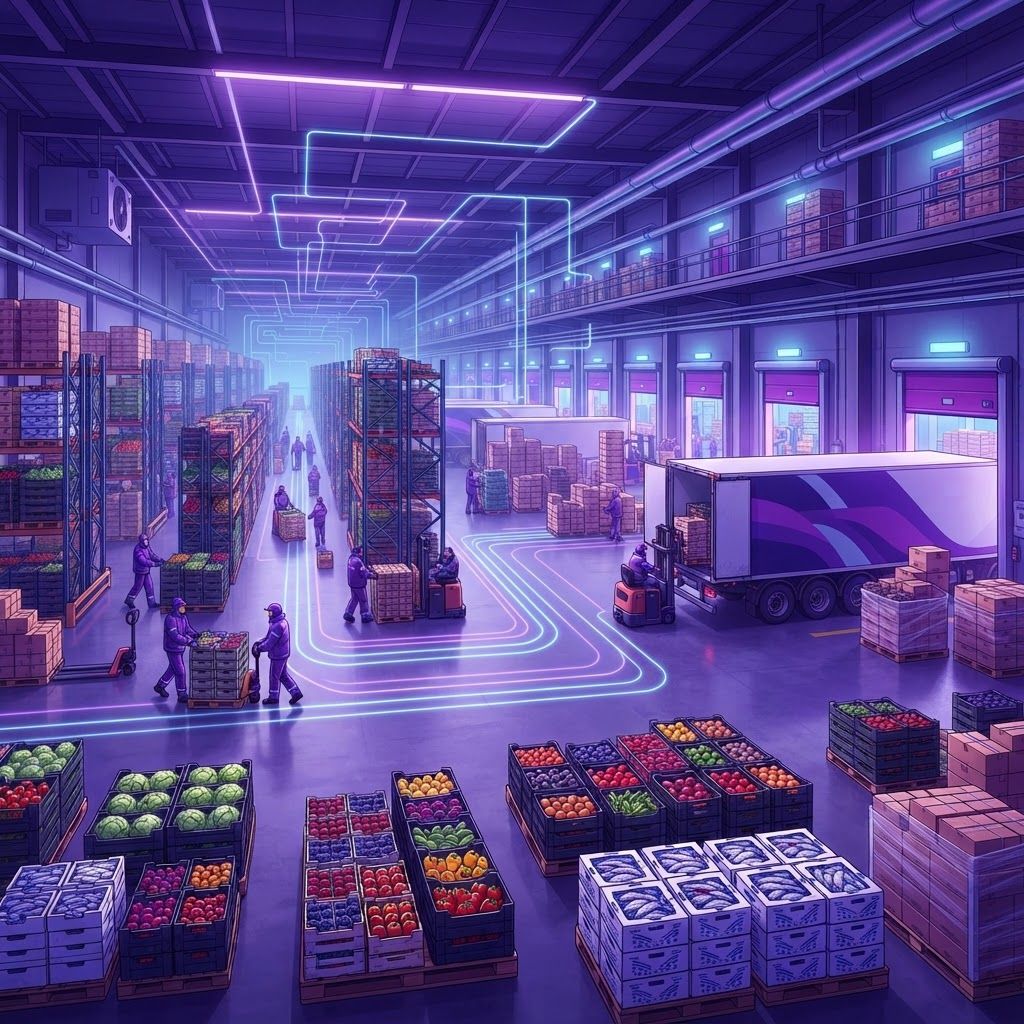
Supplying a City That Takes Food Seriously
Louisiana's food culture creates unusual pressure on distributors. Chefs here know their ingredients, customers notice when quality slips, and the regional cuisine depends on specific products, Gulf seafood, andouille, tasso, specialty rice, filé, that generic national distribution handles poorly. Food wholesalers serving Baton Rouge must therefore combine broadline efficiency with genuine specialty sourcing.
The customer base is broad. Independent restaurants need small, frequent deliveries and flexible ordering. Institutional kitchens in hospitals, schools and universities need contract pricing and nutritional documentation. Grocers need consistent case flow. Caterers need responsiveness. Serving all of these well requires different logistics than serving any one of them.
How Wholesalers Were Evaluated
Evaluation considered product range and quality, cold chain integrity, food safety certification, delivery frequency and reliability, minimum order requirements, local and specialty sourcing capability, and reputation among chefs and food service directors.
1. Capital Region Broadline Food Distribution
Capital Region Broadline Food Distribution supplies proteins, produce, dry goods, dairy, frozen items and non-food supplies in a single order. For operators, consolidating deliveries reduces receiving labor substantially, and the company's order accuracy record is what keeps kitchens from improvising at service time.
2. Gulf Coast Seafood Wholesale
Gulf seafood is central to Louisiana menus and demands rigorous handling. This wholesaler supplies shrimp, oysters, crab, finfish and crawfish with harvest area documentation, proper temperature control and traceability that satisfies both regulators and discerning chefs.
3. Bayou Meat and Protein Company
Custom cutting distinguishes a real meat purveyor from a case shipper. Bayou Meat and Protein Company provides beef, pork, poultry and specialty Louisiana sausages with portion cutting to spec, consistent grading and cold chain verification.
4. Delta Produce Distributors
Fresh produce quality degrades quickly, making delivery frequency and handling discipline decisive. Delta Produce Distributors offers daily delivery, pre-cut options and relationships with regional growers, along with food safety documentation for fresh items.
5. Red Stick Institutional Food Service
Schools, hospitals and universities require contract compliance, nutritional analysis and consistent case pricing. Red Stick Institutional Food Service manages these programs with the reporting and documentation that public procurement demands.
6. Pelican Specialty and Ethnic Foods
Restaurant diversity requires ingredients that broadline distributors rarely stock. Pelican Specialty and Ethnic Foods imports and distributes Asian, Latin, Mediterranean and specialty products, giving independent operators access without container-level buying.
7. Louisiana Bakery and Dairy Supply
Flour, sugar, shortening, dairy, cheese and frozen dough serve bakeries, pizzerias and dessert operations. Ingredient consistency matters more in baking than almost anywhere else, and this supplier maintains specification stability across lots.
8. Cypress Beverage and Coffee Distribution
Beverage programs carry high margins and require reliable service. Cypress Beverage and Coffee Distribution supplies coffee, tea, syrups, juices and non-alcoholic beverages alongside equipment placement and maintenance support.
9. Magnolia Frozen and Cold Storage Wholesale
Frozen distribution and third-party cold storage support operators with limited on-site freezer capacity. Temperature monitoring and documented cold chain records protect both product quality and regulatory standing.
10. River Parish Local Farm and Artisan Aggregator
Restaurants increasingly want local sourcing without managing dozens of farm relationships. This aggregator consolidates products from regional farms, dairies and artisan producers into single weekly deliveries with provenance information for menus.
Trends in Food Distribution
Traceability technology is expanding from regulatory requirement to marketing asset, particularly for seafood and produce. Local sourcing programs continue growing as operators respond to customer interest in provenance. Labor scarcity is pushing demand for pre-cut and value-added products despite higher unit cost. Digital ordering with real-time inventory and substitution visibility is now expected. And cost volatility has made transparent pricing structures and index-based contracts more common.
Questions Operators Should Ask
Confirm food safety certification and request recent third-party audit results. Ask how cold chain is monitored and documented from warehouse through delivery. Verify delivery days, cutoff times and how substitutions are communicated before they arrive. Understand minimum order requirements and any fees for small drops. Request traceability documentation for seafood and produce. Clarify how price changes are communicated and whether contract pricing is available. Discuss credit and shortage resolution procedures. And evaluate the sales representative's actual food knowledge, since a capable rep prevents many problems.
Final Thoughts
Food wholesalers in Baton Rouge must satisfy a market that genuinely cares about ingredients, and the strong ones respond with specialty sourcing alongside broadline reliability. Choose distributors based on food safety rigor, delivery consistency and product knowledge rather than case price alone. The kitchens that do this spend far less time compensating for what did not show up.