
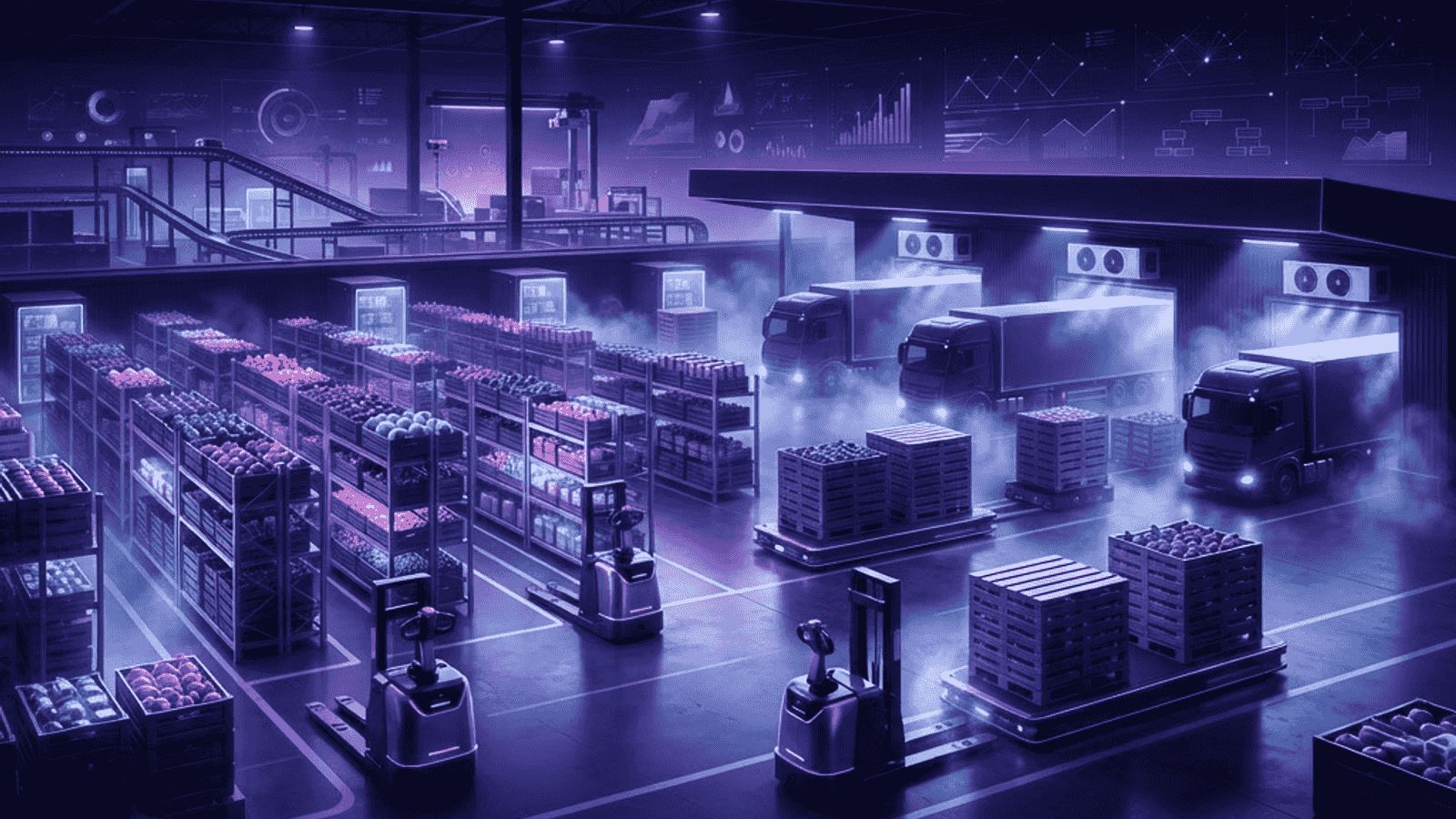
Food Distribution Keeps Aurora's Kitchens Running
Every restaurant plate, school lunch, and grocery shelf in Aurora depends on a distribution network that operates largely out of sight. Food wholesalers manage temperature-controlled warehousing, route delivery, product rotation, and traceability so that operators can focus on preparing and selling food. When distribution fails, kitchens improvise, menus change, and customers notice immediately.
Aurora's food wholesale sector includes broadline distributors carrying thousands of items, specialty houses focused on a single category, produce suppliers with daily delivery, and cash-and-carry outlets serving small operators who buy as needed. Most successful restaurants use a primary broadline supplier supplemented by two or three specialists.
Types of Food Wholesalers
Broadline distributors offer one-stop convenience across frozen, refrigerated, dry, and non-food supplies, simplifying ordering and receiving. Specialty distributors provide superior quality and expertise within a narrow scope, such as seafood, produce, or artisan cheese. Produce wholesalers work on short cycles with daily or near-daily delivery because shelf life is measured in days. Protein specialists offer custom cutting and portioning. Cash-and-carry warehouses serve operators needing flexibility without delivery minimums.
Each model carries different pricing and service tradeoffs. Broadline pricing benefits from scale, but specialists frequently deliver better quality and more knowledgeable support in their category.
The Top 10 Best Food Wholesalers in Aurora
1. Aurora Foodservice Distributors is a broadline supplier serving restaurants, hotels, and institutions with frozen, refrigerated, dry goods, and disposables. Order accuracy, consistent delivery windows, and account support are frequently praised.
2. Freshfield Produce Company supplies fruits and vegetables with daily delivery and seasonal sourcing from regional growers when available. Chefs value the company's willingness to discuss quality and availability honestly rather than substituting silently.
3. Prime Cut Meat & Protein Supply offers beef, pork, poultry, and custom portion cutting to specification. Consistent yields and portion accuracy directly protect food cost, and this supplier's cutting precision is its main advantage.
4. Lakeside Seafood Wholesale handles fresh and frozen seafood with careful cold chain management and clear sourcing information. Because seafood quality degrades quickly, delivery discipline matters as much as product selection.
5. Meadowbrook Dairy Distribution delivers milk, cream, butter, cheese, and refrigerated staples on frequent schedules. Reliability is essential here, since dairy shortages disrupt bakery and beverage operations immediately.
6. Heritage Specialty Foods imports and distributes specialty items: oils, vinegars, cured products, artisan cheeses, and international ingredients. Independent restaurants building distinctive menus rely on this category depth.
7. Summit Bakery Ingredients supplies flours, sugars, chocolate, fillings, frozen dough, and packaging for bakeries and pastry programs, with technical guidance on formulation and scaling recipes for production.
8. Northline Cash & Carry Foods serves small restaurants, food trucks, and caterers who need same-day purchasing without minimums. Flexibility, not lowest price, is the value proposition.
9. Prairie Organic & Natural Foods focuses on certified organic, non-GMO, and specialty diet products, supporting operators marketing clean-label menus with the documentation to back claims.
10. Aurora Beverage & Concentrate Supply completes the list with coffee, tea, syrups, juices, and dispensing equipment support. Beverage margins are among the strongest in food service, making equipment reliability especially valuable.
Food Safety and Cold Chain Integrity
Food safety is non-negotiable and should be a primary supplier selection criterion. Ask about warehouse temperature monitoring, refrigerated truck verification, product rotation practices, recall procedures, and lot traceability. Reputable Aurora wholesalers maintain documented food safety programs and can produce records when asked.
Receiving practices matter equally on the buyer's side. Check temperatures at delivery, inspect for packaging damage and pest evidence, verify dates, and refuse product that fails standards rather than accepting it to avoid conflict. Suppliers respect operators who inspect consistently, and quality tends to improve accordingly.
Controlling Food Cost Through Smart Purchasing
Food cost is the largest controllable expense in most kitchens. Effective operators build purchase specifications describing exactly what they want, including grade, size, pack, and trim level, so quotes are genuinely comparable. They review pricing regularly rather than assuming last quarter's rates still apply, and they track yield on proteins and produce rather than judging cost by invoice price alone.
Menu flexibility is a powerful lever. Chefs who adjust specials around seasonal availability and market pricing consistently outperform those with rigid menus. Wholesalers can support this by sharing market forecasts and flagging upcoming volatility.
Trends in Local Food Distribution
Several developments are notable. Demand for local and regional sourcing continues to grow, prompting distributors to formalize relationships with nearby farms. Labor pressures have increased interest in pre-processed items that reduce prep time. Sustainability initiatives now target packaging reduction, route optimization, and food waste diversion. Finally, digital ordering platforms with real-time inventory visibility have become standard expectations rather than differentiators.
Final Thoughts
Aurora's food wholesalers combine broadline convenience with genuine specialty expertise, giving operators the ability to build distinctive menus without sacrificing reliability. The strongest purchasing programs pair one dependable primary distributor with carefully chosen specialists, backed by clear specifications and disciplined receiving. That combination protects both food quality and margin, which is ultimately what keeps kitchens open.