
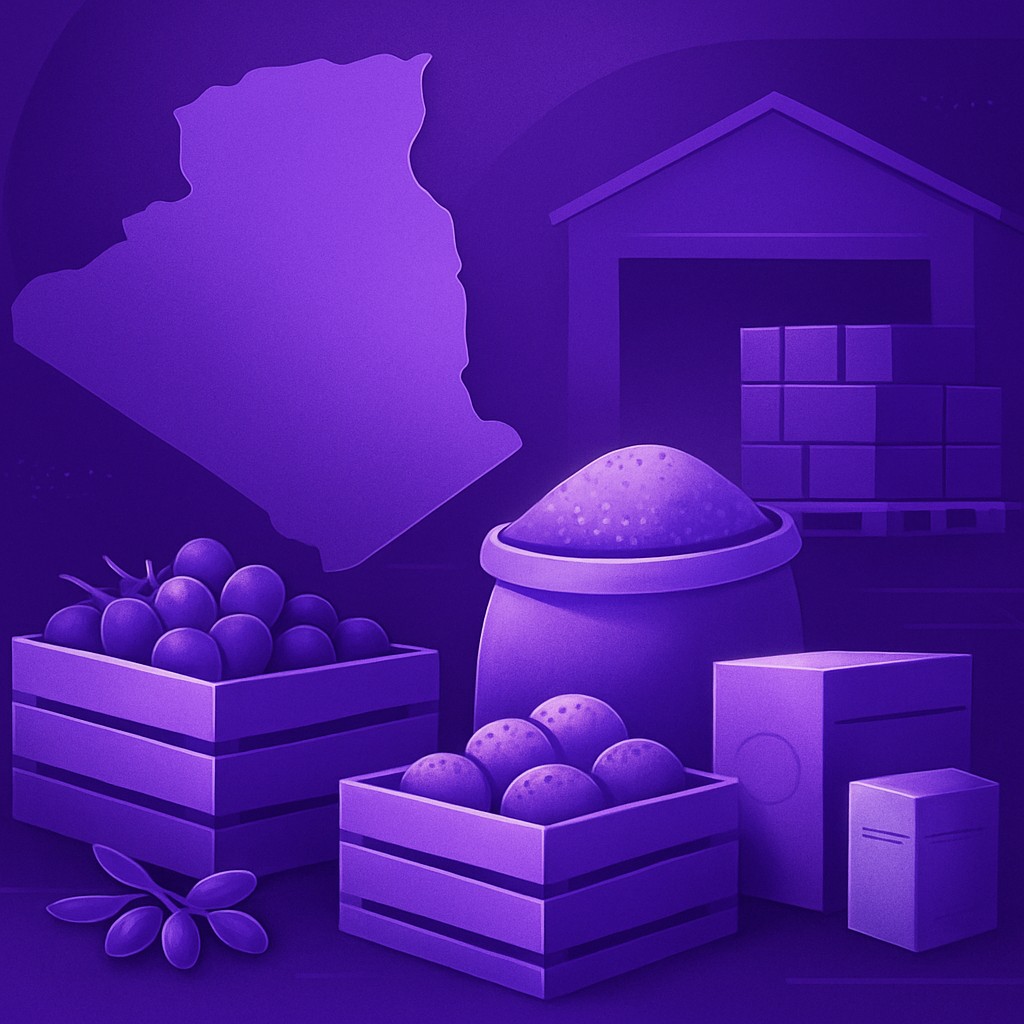
Feeding a Nation: Algeria's Food Wholesale Sector
Food wholesaling is one of the most essential industries in Algeria, connecting producers, importers, and manufacturers with the retailers, restaurants, and institutions that feed the population. With a large domestic market and significant reliance on both local production and imports for staples like grains, sugar, and oils, food wholesalers play a central role in ensuring availability and affordability.
The sector spans dry goods, packaged foods, beverages, dairy, fresh produce, and frozen products. Leading wholesalers manage complex logistics, cold chains, and supplier relationships to keep food flowing reliably across Algeria's vast territory.
What Sets Top Food Wholesalers Apart
Excellence in food wholesale requires reliable sourcing, efficient logistics, and strict attention to quality and safety. Many food products are perishable or sensitive to handling, so strong storage and distribution capabilities are essential. Competitive pricing and steady supply, even during periods of import volatility, build trust with buyers.
The best wholesalers also maintain broad product ranges, allowing retailers and food service clients to source many items from a single dependable partner. Compliance with food safety standards and consistent quality protect both the wholesaler's reputation and public health.
The Top 10 Food Wholesalers
1. Cevital Food is the largest private agri-food group in Algeria and a dominant force in food production and distribution. Known for cooking oils, sugar, margarine, and other staples, Cevital supplies products that are found in homes across the country and maintains an extensive distribution network.
2. Groupe Benamor is a leading agri-food producer famous for tomato concentrate, pasta, and canned goods under well-known brands. Its strong manufacturing base and distribution reach make it a key supplier to wholesalers and retailers.
3. SIM (Semoulerie Industrielle de la Mitidja) is a major producer of semolina, pasta, couscous, and flour, products central to the Algerian diet. Its scale and reputation make it a cornerstone of the staple food supply.
4. La Belle (Groupe Amor Benamor affiliates) and similar canned and processed food suppliers distribute widely consumed products, supporting retailers with reliable staples and branded goods.
5. Soummam is one of Algeria's leading dairy producers, supplying yogurt, dairy desserts, and related products. Its cold-chain distribution and strong brand presence make it a vital food wholesaler in the dairy segment.
6. Danone Djurdjura Algerie produces and distributes dairy products, combining international expertise with local production. Its yogurt and dairy lines are widely available through its distribution network.
7. NCA Rouiba specializes in fruit juices and beverages, distributing popular drinks across the country. Its established brand and distribution reach make it a leading beverage wholesaler.
8. Ifri (Ibrahim et Fils) is a major producer of bottled water and beverages, with one of the most recognized water brands in Algeria. Its widespread distribution keeps retailers and consumers reliably supplied.
9. Wholesale produce markets and distributors in major cities supply fresh fruits and vegetables to retailers and restaurants. These distributors manage the fast-moving fresh segment that is essential to daily diets.
10. Frozen and imported foods distributors supply frozen meats, seafood, and specialty imported products to retailers and the hospitality sector, filling important gaps in the food supply with cold-chain expertise.
Trends in the Food Supply Chain
Local production and food security are central themes in Algeria's food sector. The government encourages domestic agriculture and processing to reduce import dependence on staples. This drives investment in milling, dairy, and food manufacturing, strengthening the role of local wholesalers and producers.
Cold-chain development is improving the distribution of perishable goods. As dairy, frozen, and fresh product demand grows, investment in refrigerated storage and transport enhances quality and reduces waste. Wholesalers with strong cold-chain capabilities gain a competitive advantage.
Branded and packaged foods continue to grow in popularity, supported by rising incomes and urbanization. Consumers increasingly seek convenience and trusted brands, benefiting wholesalers who distribute recognized products with consistent quality.
Choosing a Food Wholesale Partner
Retailers and food service operators should select food wholesalers based on product range, reliability, pricing, and food safety standards. For perishable goods, cold-chain capability and freshness are paramount. For staples, consistent supply and competitive pricing matter most, especially given the importance of these products to households.
Establishing relationships with reputable wholesalers ensures steady supply and access to a wide product range. Buyers should verify quality standards and delivery reliability, particularly for sensitive categories like dairy, fresh produce, and frozen foods.
Conclusion
Algeria's food wholesale sector is led by major agri-food groups like Cevital, Benamor, and SIM, alongside dairy, beverage, and fresh produce specialists. As food security, cold-chain development, and branded product demand shape the market, these wholesalers remain essential to feeding the nation reliably and affordably. Choosing trusted, capable partners is key for any retailer or food business in Algeria.