
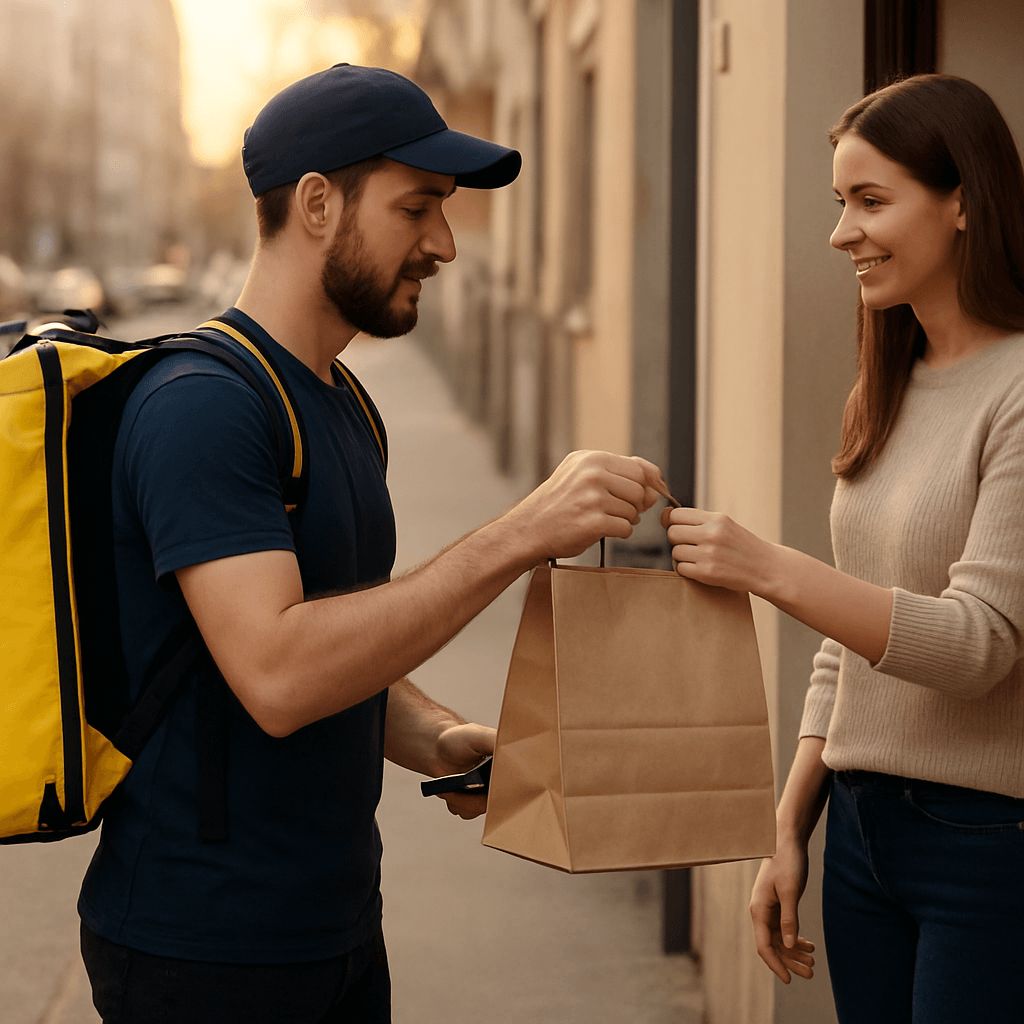
How Delivery Works in the St. Louis Metro
St. Louis is a favorable delivery market for a specific structural reason: the metro area is geographically spread across the city, St. Louis County, St. Charles County, and the Illinois metro east, with dense restaurant clusters in neighborhoods like the Central West End, The Grove, Delmar Loop, Soulard, and downtown Clayton. That layout means most residents sit within a short drive of a substantial restaurant selection, which keeps delivery times reasonable compared with sprawling Sun Belt metros.
It also means coverage varies noticeably by address. A downtown apartment may have hundreds of options within fifteen minutes, while a home in outer St. Charles County or Jefferson County sees a much shorter list and higher distance fees. Choosing the right platform is partly about the app itself and largely about which restaurants near you have signed with it.
The Top 10 Food Delivery Apps for St. Louis
1. DoorDash. The broadest restaurant coverage across the metro area, including strong penetration in suburban corridors where competitors thin out. Its subscription tier removes delivery fees on qualifying orders, and scheduled ordering is reliable for planned meals.
2. Uber Eats. Excellent coverage in the city core and inner suburbs, with the advantage of a shared account and payment method for rides. Live courier tracking tends to be the most accurate of the major platforms.
3. Grubhub. Long-standing relationships with independent restaurants mean Grubhub sometimes lists neighborhood spots the others miss, particularly older family-owned establishments. Its perks program and campus partnerships are meaningful for students.
4. Instacart. The strongest option for groceries, covering regional chains and warehouse clubs across the metro area. Its value is highest for large weekly orders where the flat subscription cost is spread across many items.
5. Shipt. A grocery-focused competitor with a dedicated shopper model that many customers find better for produce quality and substitution judgment, since the same shopper often serves an area repeatedly.
6. Slice. Purpose-built for independent pizzerias, Slice typically charges restaurants less than general platforms and passes better pricing to customers. In a city with strong neighborhood pizza culture, it is a smart choice.
7. ChowNow. A platform that powers direct ordering for restaurants rather than acting as a marketplace, which means more of your money reaches the kitchen. Worth checking when you already know which restaurant you want.
8. Toast Takeout. Because many local restaurants use Toast point-of-sale systems, its consumer app offers direct pickup and delivery ordering with lower fees and accurate menu data straight from the restaurant.
9. Gopuff. Convenience items, snacks, beverages, and household essentials delivered from local micro-warehouses rather than restaurants. Useful for late-night needs when grocery delivery windows have closed.
10. Restaurant-owned apps and websites. Several St. Louis favorites, particularly barbecue and pizza operations, run their own ordering with in-house drivers. Prices are usually lower, portions are handled by staff who care, and the restaurant keeps the revenue.
Choosing the Right Platform
The honest answer is that most residents benefit from having two apps installed. One national marketplace provides breadth, and one direct-ordering option reduces cost for regular favorites. Before subscribing to any membership tier, count your actual monthly orders; subscriptions pay off around three or four orders per month and waste money below that.
Compare total cost rather than menu price. Platforms mark up menu items differently, apply variable service fees, and adjust delivery charges by distance and demand. The same order can differ by a substantial amount across apps, so a quick comparison on a large order is worth ninety seconds.
Practical Tips for Better Delivery
Order earlier than peak. Between six and eight in the evening on Friday and Saturday, courier supply tightens and kitchen tickets stack up, which is when food quality and timing suffer most. Ordering before six or after eight noticeably improves results.
Choose food that travels. Fried items, delicate greens, and anything with a crisp element degrade during transit, while braises, curries, pasta, barbecue, and pizza hold up well. If you want fried chicken at its best, pick it up.
Write specific delivery notes. Apartment complexes, gated entries, and large office buildings account for most delivery confusion in this metro area. A single sentence describing the entrance saves more time than any premium option.
Tip in the app before delivery rather than after. Couriers see offers including tip amount when deciding whether to accept, so a fair tip up front meaningfully reduces wait time. If you prefer to adjust based on service, most platforms allow an increase afterward.
Report problems promptly with photos. Missing items and incorrect orders are resolved far more reliably when documented immediately, and repeated accurate reports also help platforms identify restaurants with packing problems.
What Is Changing in the Market
Three shifts are reshaping delivery locally. First, restaurants have grown more assertive about steering customers to direct ordering, often through in-package inserts and loyalty incentives, because commission rates materially affect thin margins. Second, grocery and convenience delivery has grown faster than restaurant delivery, with many households now treating it as routine rather than occasional. Third, automated and drone delivery pilots have appeared in suburban areas, though meaningful coverage remains distant.
Pricing transparency has also improved under regulatory pressure, making fee breakdowns easier to compare than they were a few years ago. For consumers, that visibility is the most useful development, because it turns platform choice into a straightforward calculation.
The practical bottom line for St. Louis diners is that convenience is abundant and the cost is controllable. Keeping one marketplace app for variety, using direct ordering for regular favorites, and timing orders away from peak hours delivers most of the benefit at a fraction of the typical expense.