
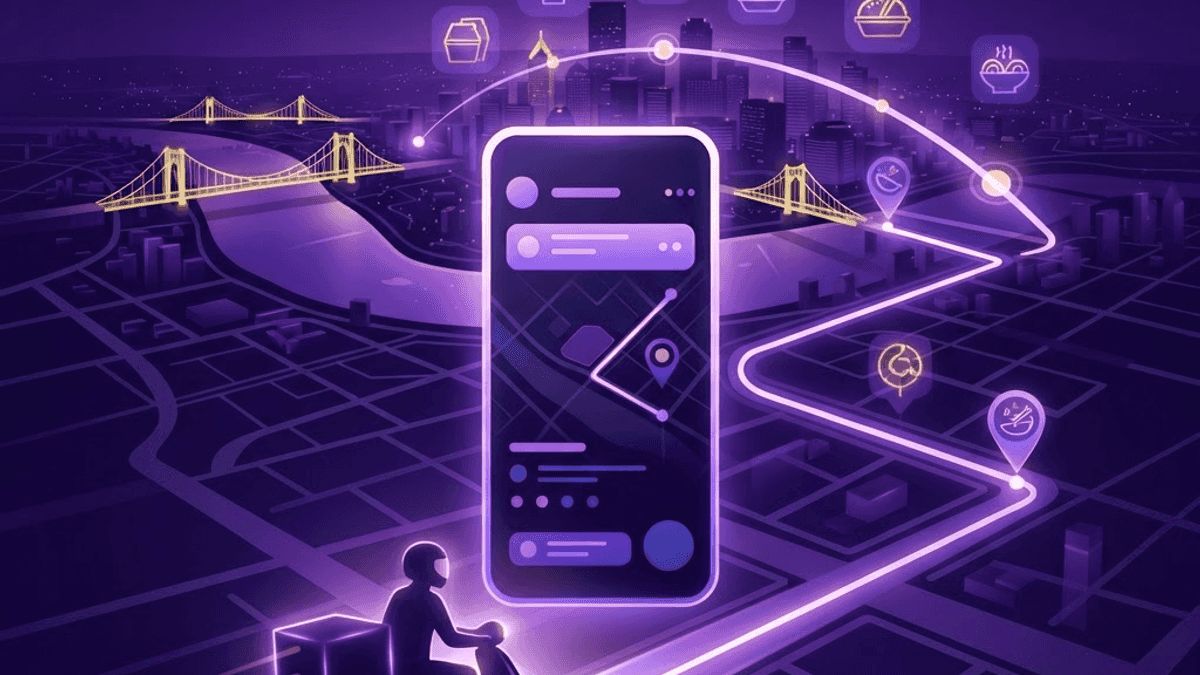
Delivery in a City of Hills and Neighborhoods
Pittsburgh presents genuine logistical challenges for food delivery. The city is carved by three rivers, dozens of bridges, steep hillsides, and neighborhoods separated by terrain rather than distance. Two locations three miles apart on a map can be a twenty-minute drive because the route requires crossing a bridge and climbing a hill. Delivery platforms that estimate time by straight-line distance consistently underperform here, and locals learn quickly which services understand the geography.
Neighborhood structure matters too. Oakland's student density, downtown's weekday office population, the Strip District's restaurant concentration, and the residential character of areas like Squirrel Hill, Lawrenceville, and Mount Washington each produce different delivery dynamics. Availability, wait times, and fees vary substantially by where you are ordering from and to.
The Top 10 Food Delivery Options in Pittsburgh
1. DoorDash. The broadest restaurant selection in the region and generally the most reliable coverage into outer neighborhoods and suburbs. Its subscription option meaningfully reduces per-order cost for frequent users. The tradeoff is the standard platform tradeoff: restaurants pay substantial commission, which affects menu pricing.
2. Uber Eats. Strong downtown, Oakland, and East End coverage with the advantage of an integrated account for anyone already using the rideshare service. Its tracking and driver communication tend to be well executed. Selection can be thinner than DoorDash in outlying areas.
3. Grubhub. Long-established with deep restaurant relationships, particularly among older independent restaurants that signed on early. Grubhub's campus partnerships make it especially relevant in Oakland, where meal plan integration at local universities gives it a captive and substantial user base.
4. Restaurant-direct ordering through the restaurant's own system. Many Pittsburgh restaurants now operate their own online ordering with in-house or contracted delivery. This is consistently the best option for the restaurant, since it avoids platform commissions entirely, and frequently the best price for the customer. It requires knowing where you want to order from rather than browsing, which is the real cost.
5. Instacart. The dominant grocery delivery service in the region, covering major chains and some specialty retailers. Useful beyond groceries because it reaches prepared food counters, bakeries, and pharmacy items. Prices in the app frequently exceed in-store prices, which is worth understanding rather than discovering later.
6. Grocery chain delivery and pickup programs. Regional supermarkets operate their own delivery and curbside pickup, often at lower cost than third-party grocery services and with more accurate substitution handling because store employees do the picking. Curbside pickup in particular is usually the cheapest option available.
7. Gopuff. Founded in Pennsylvania, Gopuff operates a warehouse model delivering convenience items, snacks, drinks, and household goods quickly rather than fulfilling restaurant orders. Its Pittsburgh presence is solid, and it fills a specific need for fast small-basket delivery, particularly late at night.
8. Specialty and ethnic grocery delivery services. Smaller services and individual stores deliver from Asian, South Asian, Middle Eastern, and Latin American markets across the region. For anyone cooking cuisines that require specific ingredients, these fill a gap that mainstream platforms do not address.
9. Meal preparation and local subscription services. Regional operators prepare weekly meals for pickup or delivery, serving customers who want prepared food without daily ordering. This category grew substantially and competes on nutrition, portion consistency, and predictable weekly cost rather than variety.
10. Campus and institutional delivery programs. Universities and health systems in the region operate their own internal ordering and delivery for students, staff, and patients. For the enormous population working or studying in Oakland, these are often faster and cheaper than public platforms because they solve a much narrower logistics problem.
How Fees Actually Work
The advertised delivery fee is rarely the full cost. A typical order includes the delivery fee, a service fee calculated as a percentage of the subtotal, possibly a small order fee, sometimes a regulatory or driver benefits fee, taxes, and the tip. Additionally, many restaurants list higher prices on delivery platforms than in-house to offset commission, so the food itself may cost more before any fee applies.
Subscription programs change the math significantly for regular users. If you order more than a few times monthly, the subscription usually pays for itself through waived delivery fees and reduced service fees. Calculate against your actual ordering frequency rather than intended frequency.
Tipping deserves specific attention because driver compensation on these platforms depends heavily on it. Pittsburgh's terrain means a delivery may involve a hill climb, a bridge crossing, and a walk-up apartment with no parking. Tipping in the app before delivery affects whether a driver accepts the order at all on some platforms, which directly affects your wait time.
Ordering in a Way That Supports Restaurants
Platform commissions on restaurants are substantial, and for independent restaurants operating on thin margins, a delivery order can be considerably less profitable than the same order placed directly. If you care about the restaurants you like remaining open, order directly from their website when they offer it, or place a pickup order and collect it yourself.
When you do use a platform, ordering larger and less frequently is better for everyone: fewer fees for you, fewer trips for drivers, and better economics for the restaurant. And leave accurate reviews attributing problems correctly, because restaurants are frequently rated poorly for delivery failures they did not cause.
Practical Tips for Pittsburgh Specifically
Add clear delivery notes. Many neighborhoods have limited parking, unclear building entrances, and addresses that mapping software handles poorly. Specifying which door, whether there are stairs, and where to park saves substantial time.
Expect longer waits during weather events, Steelers and Penguins game days, and university move-in weekends. Order earlier than usual during those windows. Avoid ordering food that degrades badly in transit if the estimated time exceeds thirty minutes, since fried items and delicate dishes rarely survive a long hill route in good condition.