
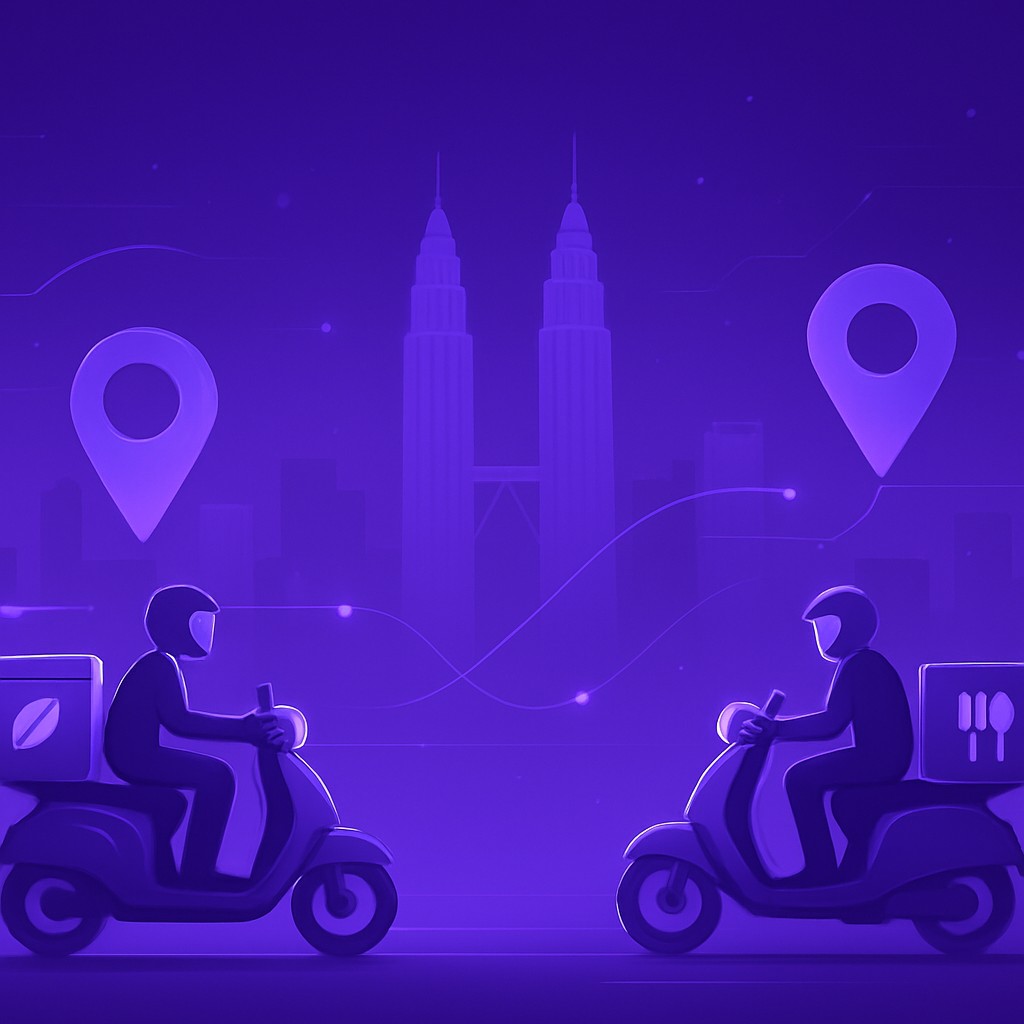
The Rise of Food Delivery in Malaysia
Few industries have transformed Malaysian daily life as rapidly as on-demand food delivery. What began as a convenient option for busy urban professionals has become a cultural staple in cities such as Kuala Lumpur, Penang, Johor Bahru, and Kuching. Driven by high smartphone penetration, widespread digital payment adoption, and a deeply rooted food culture, Malaysians now expect their favourite nasi lemak, char kuey teow, or bubble tea to arrive within minutes. The market has matured into a fiercely competitive space where speed, reliability, restaurant selection, and pricing determine which apps win loyal customers.
Below is an in-depth look at the ten food delivery platforms that have shaped how Malaysians eat, ranked and described according to their strengths, coverage, and unique features.
1. GrabFood
GrabFood remains the undisputed market leader across Malaysia. As part of the broader Grab super-app, it benefits from an enormous network of riders, deep integration with GrabPay, and the convenience of bundling food delivery alongside ride-hailing and groceries. Its extensive restaurant catalogue spans hawker stalls to premium dining, and the GrabRewards loyalty programme keeps customers returning. Reliable delivery times and nationwide coverage make it the default choice for millions.
2. Foodpanda
Instantly recognisable by its pink branding, Foodpanda was an early pioneer in the Malaysian market and continues to hold a substantial share. The platform is known for frequent promotions, the pandapro subscription for free delivery, and pandamart cloud stores that deliver groceries and essentials. Its strong presence in both major cities and smaller towns gives it broad appeal.
3. ShopeeFood
Leveraging the massive user base of the Shopee e-commerce ecosystem, ShopeeFood entered the delivery market aggressively with vouchers, coin rewards, and integrated wallet payments through ShopeePay. Its competitive pricing and seamless link to online shopping have rapidly grown its following, particularly among younger, value-conscious consumers.
4. Beep Delivery
Powered by StoreHub, Beep Delivery focuses on supporting local restaurants and small businesses with lower commission structures. This merchant-friendly approach has earned it goodwill among independent eateries, and customers benefit from access to neighbourhood favourites that may not appear on larger platforms.
5. EasiGo
EasiGo has carved out a niche by emphasising affordability and support for the local Chinese-speaking community and merchants. With competitive delivery fees and a growing rider fleet, it offers a practical alternative in several Malaysian cities.
6. Bungkusit
A homegrown Malaysian platform, Bungkusit offers more than food delivery, including parcel and errand services. Its flexible model and local roots resonate with users who appreciate supporting domestic enterprises while enjoying dependable service.
7. Delivereat
Originating in Penang, Delivereat built a strong reputation in northern Malaysia before expanding. It is especially popular for connecting diners with beloved regional hawker fare and local restaurants, making it a favourite among food enthusiasts seeking authentic local cuisine.
8. Oddle Eats
Oddle Eats stands out by enabling restaurants to manage their own direct delivery and ordering, often at lower costs than commission-heavy marketplaces. Diners frequently find that ordering through Oddle supports restaurants more directly while still enjoying convenient doorstep service.
9. AirAsia Food
Part of the airasia super-app, AirAsia Food integrates dining with travel, rewards, and the airasia ecosystem. It differentiates itself with a no-surge-pricing promise on delivery in some areas and the ability to earn loyalty points usable across the airasia platform.
10. KFC and Domino's In-House Apps
While not marketplaces, the dedicated apps from major chains such as KFC and Domino's deserve recognition for their reliability, exclusive deals, and streamlined ordering. For customers loyal to specific brands, these in-house platforms often provide the fastest and most cost-effective experience.
Key Trends Shaping the Market
Several trends define Malaysia's delivery landscape. Cloud kitchens have proliferated, allowing brands to operate delivery-only outlets that reduce overhead. Subscription models offering free or discounted delivery have become a major retention tool. Sustainability is also rising on the agenda, with platforms experimenting with electric vehicles and reduced plastic packaging. Meanwhile, the integration of delivery into larger super-apps reflects a broader push toward all-in-one digital lifestyles.
Choosing the Right App
The best app ultimately depends on individual priorities. Those seeking the widest selection and nationwide reliability often favour GrabFood and Foodpanda. Bargain hunters gravitate toward ShopeeFood and EasiGo, while supporters of local businesses appreciate Beep, Bungkusit, and Delivereat. Many Malaysians keep several apps installed, switching based on promotions and restaurant availability.
Conclusion
Malaysia's food delivery industry exemplifies how technology, culture, and convenience intersect. With intense competition driving continuous innovation, consumers enjoy more choice, better service, and richer rewards than ever before. Whether craving a late-night roti canai or a family feast, Malaysians can rely on this thriving ecosystem of apps to deliver satisfaction, one meal at a time.