
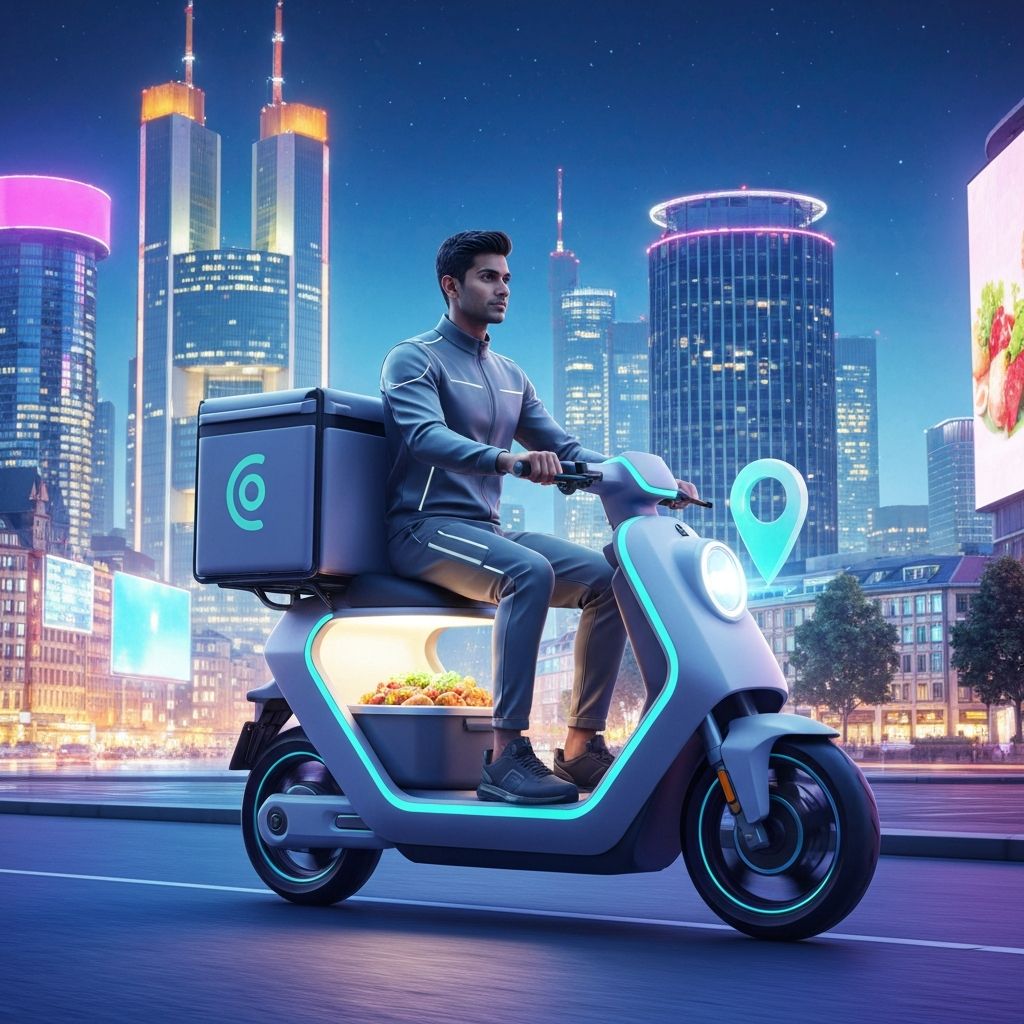
Introduction to Germany's Food Delivery Boom
Germany's food delivery industry has experienced remarkable growth over the past decade, transforming from a niche service into a daily convenience for millions of households. With urban centers like Berlin, Munich, Hamburg, and Frankfurt embracing digital lifestyles, food delivery apps have become essential tools that connect hungry customers with local restaurants in just a few taps. The shift toward online ordering has been driven by a combination of factors, including changing consumer habits, the rise of remote work, and the increasing demand for variety and convenience.
Why Food Delivery Apps Are Thriving in Germany
The German market is unique in its preferences. Customers value punctuality, transparency, and quality, which has pushed delivery platforms to invest heavily in logistics, customer service, and restaurant partnerships. Apps now offer features such as live order tracking, contactless delivery, eco-friendly packaging options, and integration with loyalty programs. Additionally, sustainability has become a key concern, leading several platforms to introduce bicycle couriers and carbon-neutral delivery options across major cities.
Lieferando
Lieferando is arguably the most recognized food delivery brand in Germany. Operated by Just Eat Takeaway, it offers an extensive network of restaurants ranging from family-owned eateries to international chains. Its strengths include a user-friendly interface, reliable service, and broad coverage even in smaller towns. The platform supports multiple payment methods and frequently provides discounts and seasonal promotions.
Wolt
Wolt has rapidly expanded across German cities, known for its sleek app design, fast delivery times, and exceptional customer support. The platform partners with premium restaurants and grocery stores, making it a favorite for those seeking high-quality meals and curated dining experiences.
Uber Eats
Uber Eats brings its global expertise to Germany with a strong presence in major metropolitan areas. The app emphasizes speed, real-time tracking, and a wide selection of cuisines. Frequent collaborations with popular chains and local favorites make it a versatile option for everyday dining.
Flink
While primarily known for grocery delivery, Flink has expanded into ready-to-eat meals and convenience items. Its ten-minute delivery promise has reshaped customer expectations, particularly for those who want quick access to snacks, beverages, and quick dinners.
Gorillas
Gorillas operates in the rapid grocery and meal delivery space, offering everything from fresh produce to prepared foods. Its dark store model ensures lightning-fast service, and the brand has become synonymous with urban convenience.
Getir
Getir, originating from Turkey, has made significant inroads in German cities. The platform combines grocery essentials with prepared meal options and emphasizes ultra-fast delivery, often within minutes.
Foodora
Foodora, part of the Delivery Hero family, focuses on premium restaurant partnerships. It is well-loved for its curated selection of high-end dining options and reliable delivery infrastructure.
Pizza.de
A long-standing favorite in Germany, Pizza.de specializes in pizza and Italian cuisine but has expanded its offerings to include a variety of restaurants. It remains a trusted name for quick, satisfying meals.
Bolt Food
Bolt Food has entered the German market with competitive pricing and a growing list of restaurant partners. Its integration with the broader Bolt ecosystem makes it appealing to users who already rely on the company's ride-hailing services.
HelloFresh Ready
HelloFresh Ready offers a unique twist by combining meal kit expertise with ready-to-eat delivery. Customers benefit from chef-designed meals, fresh ingredients, and flexible subscription models.
Conclusion
The food delivery landscape in Germany is dynamic, competitive, and constantly evolving. Whether you are craving a quick bite, a gourmet meal, or fresh groceries, these top apps deliver convenience and quality directly to your doorstep, reshaping how Germans dine in the digital age.