
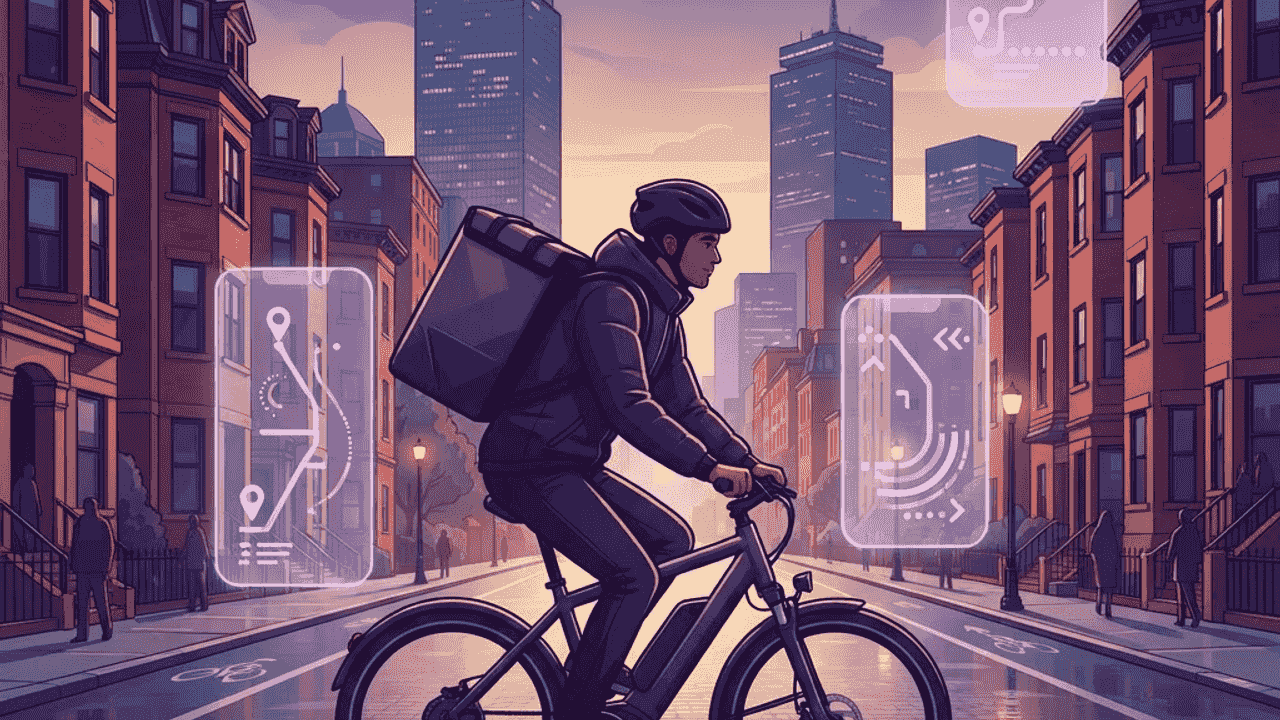
How Delivery Transformed Dining in Boston
Boston's dense neighborhoods, large student population, and vibrant restaurant culture have made it one of the most active food delivery markets in the country. From late-night orders in Allston to family dinners in the suburbs, delivery apps now play a central role in how residents eat. The convenience of browsing hundreds of restaurants, tracking an order in real time, and paying from a phone has reshaped expectations around dining and made restaurant meals accessible from anywhere.
The competition among delivery platforms has ultimately benefited consumers, driving improvements in speed, selection, and features. Understanding how the major apps differ can help you get the best experience and value, since each platform has its own strengths, restaurant partnerships, and fee structures. Choosing wisely can save both money and time.
What Makes a Delivery App Worth Using
The strongest delivery apps combine a broad selection of restaurants with reliable delivery times and transparent pricing. A clean, easy-to-navigate interface matters, as does responsive customer support when something goes wrong with an order. Many users also weigh subscription options that waive delivery fees, along with loyalty rewards and frequent promotions that reduce the overall cost of ordering.
Local coverage is especially important in a city like Boston, where neighborhood boundaries and traffic can affect delivery availability and timing. The best apps offer dependable service across the metro area and support a wide range of cuisines, from quick casual meals to upscale restaurant fare. Accurate delivery estimates and clear communication about delays also contribute to a positive experience.
Leading Food Delivery Apps in Boston
DoorDash is one of the most widely used platforms in the city, offering an extensive restaurant network and a subscription option that reduces fees for frequent users. Its broad coverage makes it a reliable default for many neighborhoods. Uber Eats is equally popular, benefiting from tight integration with the Uber app and strong coverage across Boston neighborhoods. Grubhub has a long-standing presence and is known for its large selection and frequent promotions.
Toast Takeout is favored by many local restaurants because it connects directly to their point-of-sale systems, often resulting in lower fees and more revenue for the restaurant. ezCater specializes in office and group catering orders, making it a go-to for workplace meals and larger gatherings. Caviar focuses on higher-end restaurant options for those seeking a more curated experience.
Additional options include Slice, which specializes in local pizzerias; Instacart, useful for grocery and prepared-food delivery; Gopuff, known for quick convenience-item delivery; and ChowNow, which helps independent restaurants offer commission-friendly ordering. This variety gives Boston diners plenty of ways to get exactly the meal they want.
Comparing Features and Value
When choosing an app, consider which restaurants you order from most, since availability varies by platform and some restaurants are exclusive to certain apps. Subscription services can pay for themselves quickly if you order frequently, while occasional users may prefer to compare fees per order. Delivery speed, minimum order requirements, and service fees all influence the true cost of a meal, so it pays to look beyond the menu prices.
Ordering directly through a restaurant's preferred platform, such as Toast Takeout, can sometimes save money and better support local businesses, an increasingly important consideration for many diners who want more of their spending to reach the restaurant. Comparing a couple of options before you order is a simple habit that often reveals meaningful differences.
Tips for a Better Delivery Experience
To get the best results, order during off-peak hours when possible, as delivery times tend to lengthen during busy lunch and dinner rushes. Keep your delivery instructions clear, especially in Boston's older buildings and multi-unit homes where entrances can be confusing for drivers. Adding notes about buzzer codes, parking, or preferred drop-off spots can make handoffs smoother.
Comparing a couple of apps before ordering can reveal meaningful differences in price and estimated arrival time, and taking advantage of first-order promotions or loyalty programs can stretch your budget further. Tipping fairly also helps ensure prompt, careful service, particularly during bad weather when drivers work harder to reach you.
The Future of Food Delivery in Boston
As technology and logistics continue to improve, food delivery in Boston is likely to become even faster and more personalized, with better route optimization and smarter recommendations. Growing attention to fair fees for restaurants and workers is also shaping the industry, prompting some diners to favor platforms that treat partners well.
For residents and visitors, the current landscape offers remarkable convenience and choice, making it easier than ever to enjoy the city's outstanding food from home or the office. By understanding the strengths of each app and ordering thoughtfully, Boston diners can enjoy the best of the city's culinary scene with minimal hassle.
Making the Most of Boston’s Food Scene
Whichever option you choose, Boston rewards people who explore beyond the most obvious names. Compare current menus, service areas, hours, seasonal offerings, and recent customer feedback before making a decision. Availability and quality can vary by neighborhood and time of year, so planning ahead is worthwhile. Supporting independent operators also helps preserve the local character that makes the city’s food culture distinctive. Start with the priorities that matter most to you, then use this guide as a practical shortlist rather than a rigid ranking.