
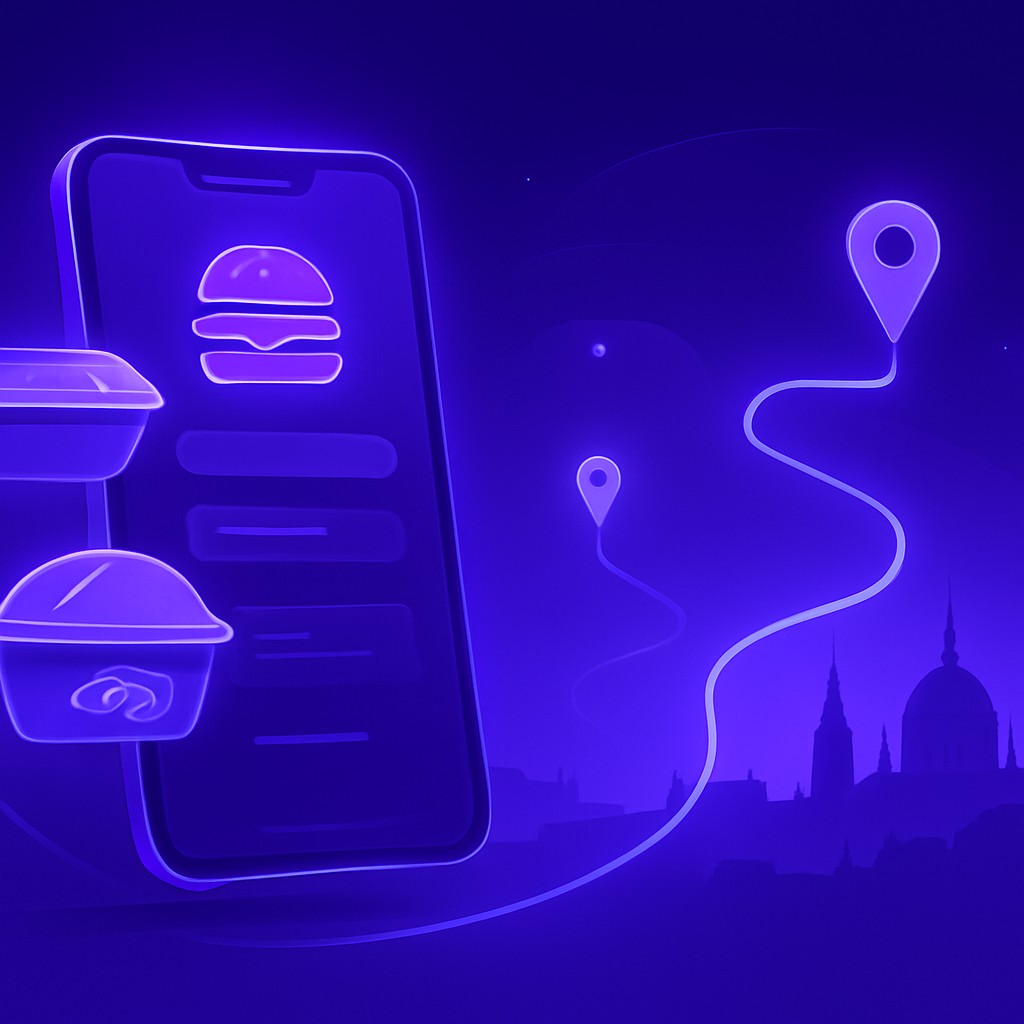
The Food Delivery Revolution in Austria
Food delivery has become an integral part of modern life in Austria, transforming the way people eat and shop. With busy schedules and a growing appetite for convenience, Austrians increasingly turn to apps that bring restaurant meals, groceries, and specialty foods directly to their doors. The rise of smartphones, combined with a vibrant culinary scene, has fueled rapid growth in this sector, particularly in cities like Vienna, Graz, and Salzburg.
These platforms connect customers with a wide array of restaurants, from local favorites to international cuisine, offering choice and flexibility that traditional dining cannot match. Whether ordering a quick lunch, a family dinner, or weekly groceries, food delivery apps have made it easier than ever to enjoy quality food without leaving home.
How Food Delivery Apps Work
Food delivery apps serve as digital marketplaces, allowing customers to browse menus, place orders, and track deliveries in real time. They handle payment, logistics, and customer service, coordinating between restaurants, delivery riders, and consumers. This seamless experience has made them indispensable for both customers and businesses, helping restaurants reach new audiences and customers access greater variety.
The best apps offer intuitive interfaces, reliable delivery, transparent pricing, and responsive support. Features such as order tracking, scheduled delivery, and personalized recommendations enhance the experience, while diverse payment options add convenience.
Leading Food Delivery Apps in Austria
1. Lieferando is one of the most widely used food delivery platforms in Austria, connecting customers with thousands of restaurants and offering a smooth, reliable ordering experience.
2. Mjam is a homegrown Austrian favorite, known for its extensive restaurant network and strong presence across the country, making it a go-to choice for many.
3. Foodora delivers meals from popular restaurants with its recognizable riders, combining quality service with a broad selection of dining options.
4. Wolt has gained popularity for its sleek app, fast delivery, and excellent customer service, expanding rapidly in Austrian cities.
5. Velomio offers delivery services with a focus on local and sustainable options, appealing to environmentally conscious customers.
6. Gurkerl specializes in grocery delivery, bringing fresh produce, pantry staples, and household goods to customers quickly and conveniently.
7. Alfies, backed by a major retailer, provides rapid grocery delivery with a wide selection of products for everyday needs.
8. Billa Now and similar retailer apps enable customers to order groceries from established supermarket chains for fast home delivery.
9. Hello Fresh, while a meal-kit service, plays a significant role in the delivery ecosystem by bringing recipes and ingredients to home cooks across Austria.
10. Too Good To Go takes a unique approach, connecting customers with restaurants and shops to rescue surplus food at reduced prices, combining convenience with sustainability.
Benefits for Customers and Businesses
Food delivery apps offer clear benefits for everyone involved. Customers enjoy convenience, variety, and time savings, accessing a wide range of options from the comfort of home. For restaurants, these platforms provide valuable exposure and access to customers who might not otherwise discover them, helping businesses grow and adapt to changing consumer habits.
The COVID era accelerated adoption dramatically, and the habits formed during that time have largely persisted. Many restaurants now consider delivery an essential part of their operations, while customers have come to expect the convenience these apps provide.
Trends Shaping the Industry
Grocery delivery has emerged as a major growth area, with rapid delivery services promising fresh products in minutes. Sustainability is increasingly important, with platforms exploring eco-friendly packaging, bicycle delivery, and food waste reduction initiatives. Technology continues to improve the experience, with better route optimization, real-time tracking, and personalized recommendations enhancing efficiency and satisfaction.
Competition in the sector remains intense, driving innovation and improvements in service quality. This benefits customers, who enjoy better experiences, more options, and competitive pricing as platforms vie for their loyalty.
Choosing the Right App
With so many options available, customers can choose apps based on factors such as restaurant selection, delivery speed, pricing, and additional features. Many use multiple apps to access different restaurants and take advantage of promotions. The platforms featured here represent the best of Austria's food delivery landscape, each offering unique strengths.
As technology and consumer habits continue to evolve, food delivery apps will remain a vital part of Austrian life. They have reshaped the relationship between customers, restaurants, and food, offering unprecedented convenience and choice. For anyone seeking a delicious meal or convenient grocery run, these apps make it easier than ever to enjoy quality food on your own terms.
Supporting Local Restaurants and Riders
While food delivery apps offer tremendous convenience, they also raise important considerations about the broader food ecosystem. Many platforms are working to build fairer partnerships with restaurants, offering tools that help small businesses manage orders, reach customers, and grow sustainably. For independent eateries, thoughtful use of these platforms can mean the difference between struggling and thriving in a competitive market.
The wellbeing of delivery riders has also become a focus of attention. Leading platforms in Austria increasingly emphasize fair pay, safety equipment, and supportive working conditions for the couriers who form the backbone of their service. Customers, too, play a role by tipping generously and showing appreciation for the people who bring their meals. As the industry matures, balancing convenience with fairness for all participants will be key to building a delivery ecosystem that benefits restaurants, riders, and customers alike.