
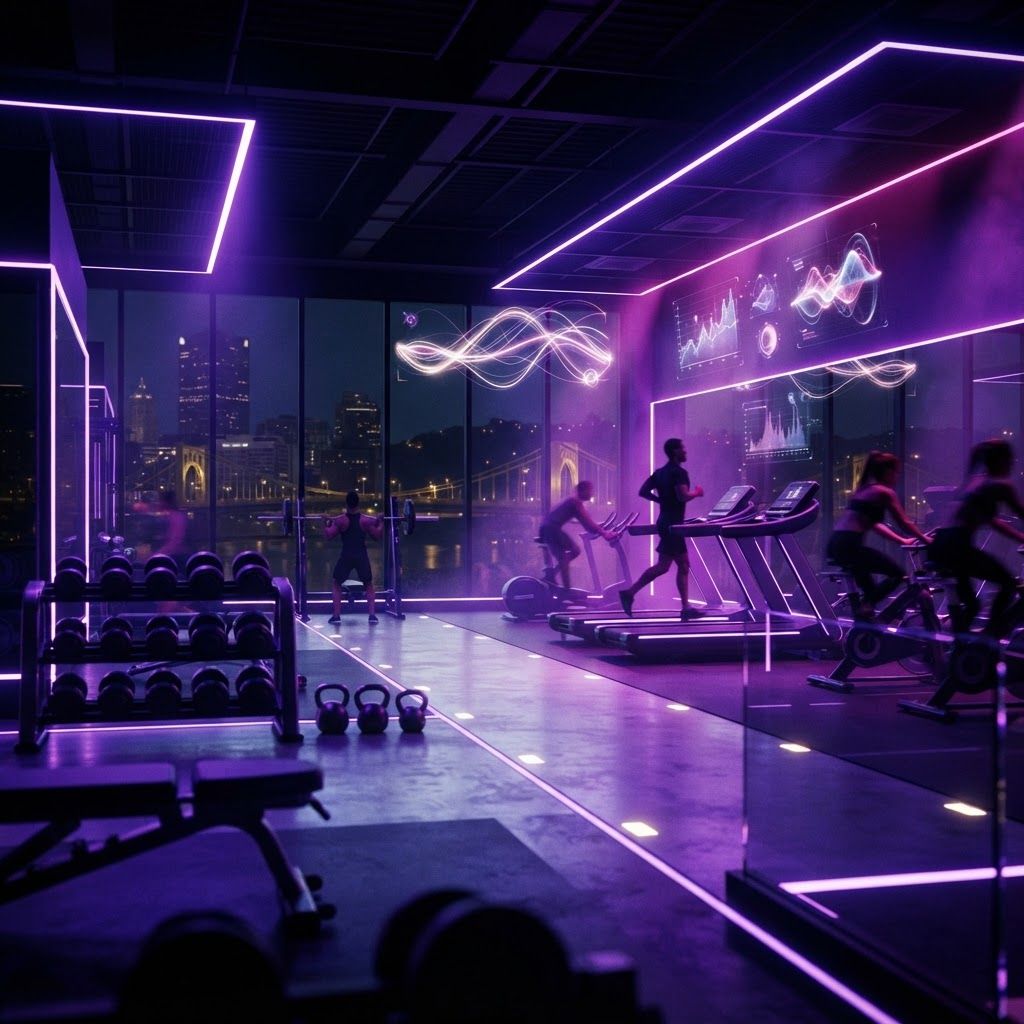
A City Built for Training
Pittsburgh is an underrated fitness city. The topography alone delivers hill sprints and stair climbs that flatter cities cannot offer, the riverfront trail network stretches for miles, and a genuine sports culture supports everything from powerlifting meets to masters rowing. Indoor facilities have followed that enthusiasm, expanding from a handful of big-box gyms into a layered market of specialty studios, recovery centers, and community-based clubs.
Long winters make membership decisions consequential. From November through March, the facility you choose effectively becomes your entire training environment, so amenities like adequate cardio equipment, group class variety, pool access, and reliable parking carry more weight here than in warmer regions.
Matching a Gym to Your Actual Goals
Strength development requires enough squat racks, barbells, and platform space that you are not queuing during peak hours. Endurance training benefits from quality treadmills, rowing machines, and indoor cycling programming. General health and longevity goals are well served by facilities offering classes, mobility space, and coaching that keeps beginners from injuring themselves in week two.
Be honest about adherence drivers too. Proximity to home or work predicts attendance more reliably than equipment quality, and social accountability through classes or training partners keeps far more people consistent than motivation alone.
The Top 10 Fitness Centers in Pittsburgh
1. Pittsburgh Athletic Club style full-service clubs offer the broadest amenity set, including pools, courts, extensive classes, and recovery facilities, appealing to members who want their entire routine under one roof.
2. Baierl Family YMCA and the broader YMCA of Greater Pittsburgh network combine affordability with genuine community, family programming, aquatics, and youth sports, making them the most practical option for households rather than individuals.
3. Iron Tribe and comparable coached group strength facilities deliver programmed barbell training in small groups, providing technical coaching that solo gym members rarely obtain.
4. Steel City Barbell style powerlifting and strongman gyms serve serious lifters with competition-grade equipment, chalk-friendly policies, and a culture that treats heavy training as normal rather than alarming.
5. Urban Elements and boutique group fitness studios focus on high-intensity interval formats, sculpting classes, and instructor-driven energy, valued by members who want decisions made for them for forty-five minutes.
6. Yoga Flow and the city's established yoga studios cover heated and unheated practice, restorative sessions, and teacher training, offering the mobility and stress management component most strength-focused programs neglect.
7. Pittsburgh Indoor Sports Arena and multi-sport complexes support adult leagues, court sports, and turf training, keeping recreational athletes active through winter months.
8. Ascend Climbing has grown climbing from a niche pursuit into a mainstream fitness option, delivering full-body strength and problem-solving engagement that keeps retention unusually high.
9. Planet Fitness and Crunch locations across the metro anchor the budget tier, providing extended hours, low monthly cost, and enough equipment for straightforward general fitness routines.
10. Hospital-affiliated wellness centers such as those connected to major health systems bridge medical and fitness care, offering supervised exercise for cardiac rehabilitation graduates, older adults, and people managing chronic conditions safely.
Trends Reshaping Local Fitness
Recovery has become a product category rather than an afterthought. Saunas, cold plunges, compression therapy, and dedicated mobility zones now appear in mid-market facilities, driven by demand from members in their thirties and forties balancing training with desk jobs.
Hybrid membership is the second shift. Many Pittsburgh gyms now bundle in-person access with app-based programming, letting members train while traveling and maintain continuity. Small group personal training has also grown as a middle path, delivering most of the coaching quality of one-on-one sessions at roughly a third of the cost.
Evaluating a Facility Before You Sign
Visit during the hours you would actually train, not at eleven in the morning when the floor is empty. Count the racks and cardio machines relative to the crowd. Check locker room cleanliness, equipment maintenance, and whether staff correct dangerous form or ignore it. Ask about contract length, cancellation terms, freeze policies, and initiation fees, since aggressive contracts remain common. Most reputable clubs offer a trial pass, and any facility unwilling to provide one is telling you something.
Costs and Getting Value
Monthly rates in Pittsburgh span a wide range, from budget chains to premium clubs and boutique studios priced per class. Many employers subsidize memberships through wellness benefits, and several insurance plans reimburse a portion of fees for documented attendance. Annual prepayment often reduces the effective monthly cost meaningfully if you are confident in the choice.
Building a Routine That Survives Winter
Aim for two to three strength sessions weekly covering major movement patterns, plus accumulated aerobic work at conversational intensity and one harder interval session. Schedule training like appointments, track something simple such as sessions completed or weight lifted, and adjust rather than abandon when life interferes. Pittsburgh's fitness market can support nearly any goal; the differentiator is choosing a facility you will still walk into on a cold February evening.