
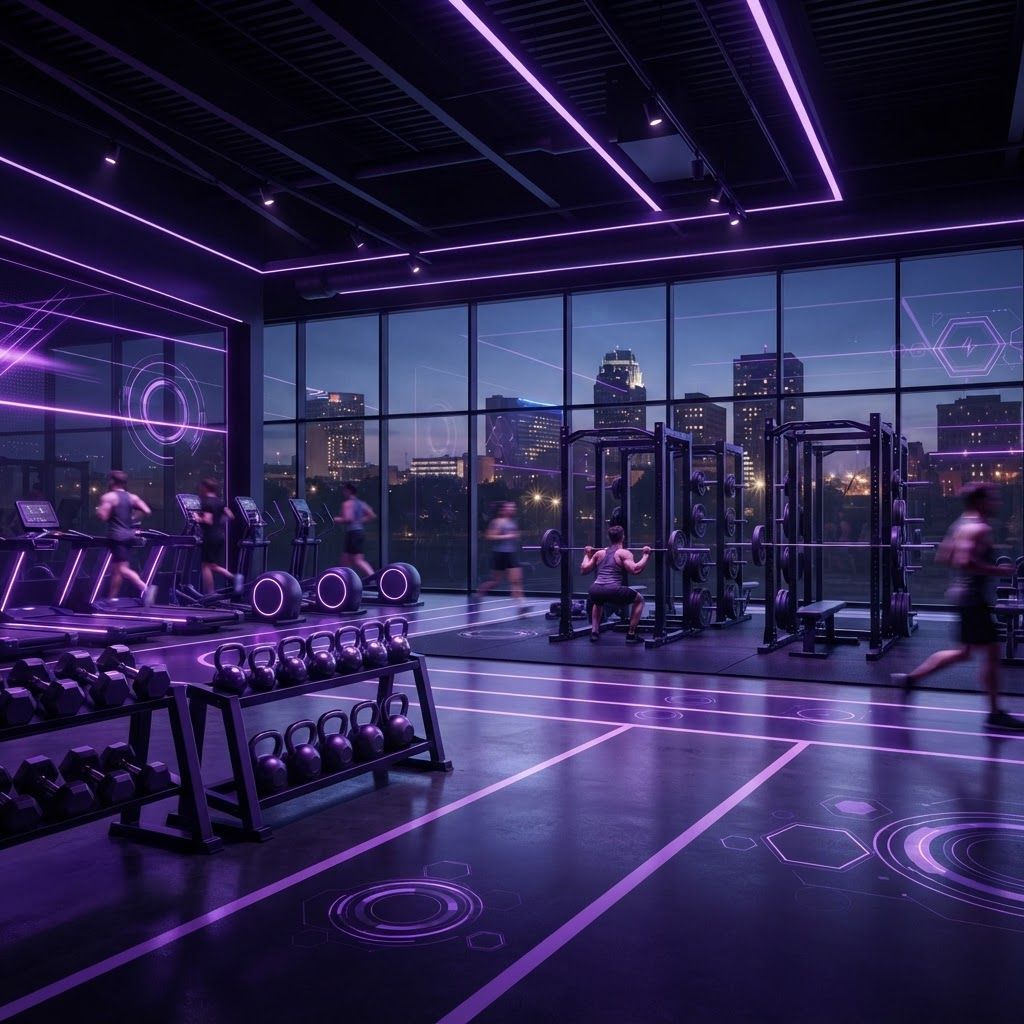
An Active City With Varied Options
Grand Rapids supports an active population year round, which is not trivial in a climate with genuine winters. Residents run the riverfront trails in summer and move indoors from November through March, so the city has developed substantial indoor fitness infrastructure alongside its outdoor recreation.
The market has diversified considerably. Large community centers serve families with pools and childcare. Specialized strength facilities cater to serious lifters. Boutique studios focus on single modalities like cycling, yoga or high-intensity interval training. Climbing gyms have grown into full social communities. Understanding what each format offers prevents the common mistake of joining a facility that does not match how you actually want to train.
The Top 10 Fitness Centers in Grand Rapids
1. MVP Athletic Clubs
MVP operates full-service athletic clubs in the Grand Rapids area with extensive equipment, group fitness programming, aquatics, courts and childcare. These facilities suit families and individuals who want everything available under one roof, including options for members with very different training preferences within the same household.
2. YMCA of Greater Grand Rapids
The YMCA provides community-focused fitness across multiple branches, combining gyms, pools, group classes and youth programming with a strong emphasis on accessibility. Financial assistance programs mean membership remains available regardless of income, which makes the YMCA one of the most important health resources in the city rather than simply a gym.
3. Planet Fitness
With several Grand Rapids locations, Planet Fitness competes on low cost, extended hours and a deliberately non-intimidating environment. For people new to exercise or seeking straightforward cardio and machine-based training, the low commitment threshold removes a real psychological barrier.
4. Anytime Fitness
Anytime Fitness locations across the metro area offer twenty-four hour access, which serves shift workers and people with unpredictable schedules. Facilities are typically smaller but well equipped for standard strength and cardio training, and the access reciprocity across locations benefits frequent travelers.
5. Terra Fitness and Boutique Strength Studios
Small group training studios in Grand Rapids provide coached sessions with meaningful attention to technique, sitting between open gym membership and personal training in both cost and support. This format works particularly well for people who need accountability and instruction but cannot justify individual sessions.
6. Higher Ground Rock Climbing Centre
Climbing gyms have grown from niche facilities into genuine community hubs. Climbing develops grip strength, core stability, problem solving and full body coordination in a format most people find far more engaging than repetitive machine work. The social dimension keeps retention high because members return for the community as much as the training.
7. Funky Buddha Yoga Hothouse
Yoga studios throughout Grand Rapids offer varied styles from heated vinyasa to restorative and beginner-focused classes. Yoga supports mobility, balance and stress regulation, and it complements strength training well for people whose primary training is heavy or repetitive.
8. Orangetheory Fitness
Heart rate based interval training studios provide structured, coached workouts with objective effort measurement. The format appeals to people who want their session planned entirely and who respond well to measurable performance feedback across time.
9. CrossFit Affiliates in Grand Rapids
The city supports several affiliates offering coached functional fitness in a group setting. Quality varies by coaching staff, so visiting during a class and observing how coaches handle scaling and technique correction is essential before joining. Strong affiliates produce excellent results and unusually durable community bonds.
10. University and Hospital Wellness Centers
Fitness facilities connected to educational institutions and health systems in Grand Rapids often provide exceptional equipment along with access to exercise physiologists and clinically supervised programs. These are particularly valuable for people exercising with chronic conditions or returning to activity after rehabilitation.
How to Compare Memberships
Location determines attendance more than almost anything else. A facility that is twenty minutes away will be visited less often than an adequate one that is five minutes away, regardless of equipment quality.
Visit during the hours you actually plan to train. A gym that feels spacious at ten in the morning can be unusable at six in the evening, with waits for every squat rack.
Read the contract carefully. Look for initiation fees, annual maintenance charges, cancellation requirements and notice periods. Month-to-month arrangements cost slightly more but preserve flexibility.
Consider what you will genuinely use. Paying for a pool, courts and sauna you never touch is common. Conversely, if childcare is what makes attendance possible, that amenity is worth substantial premium.
Building a Routine That Lasts
Start with frequency you can sustain rather than intensity you can admire. Three moderate sessions weekly maintained for a year produces far more change than six brutal weeks followed by abandonment.
Include resistance training regardless of your goals. Muscle mass supports metabolic health, bone density, injury resistance and functional independence with age. Cardiovascular work and strength work are complementary, not competing.
Track something objective, whether weights lifted, distances covered or sessions completed. Visible progress sustains motivation more reliably than how you feel on a given day.
Schedule sessions like appointments. Exercise that depends on finding spare time rarely happens consistently.
Trends in the Local Fitness Market
Hybrid membership models combining in-person access with on-demand digital content have become standard. Recovery services including sauna, cold plunge, compression therapy and mobility work have expanded significantly as facilities recognize recovery as part of training rather than an afterthought.
Strength training participation has grown notably among women and older adults, reversing decades of cardio-dominant assumptions. Facilities have responded by expanding free weight areas.
Community programming, including run clubs, group challenges and social events, has become a competitive differentiator because it directly improves retention.
Final Thoughts
Grand Rapids has fitness options for essentially every preference, budget and experience level. The best facility is the one you will actually visit consistently, which usually means convenient location, an environment where you feel comfortable and a training format you genuinely enjoy. Trial passes exist for a reason, and using several before committing is the most reliable way to choose well.