
The Fishing Economy of West Palm Beach
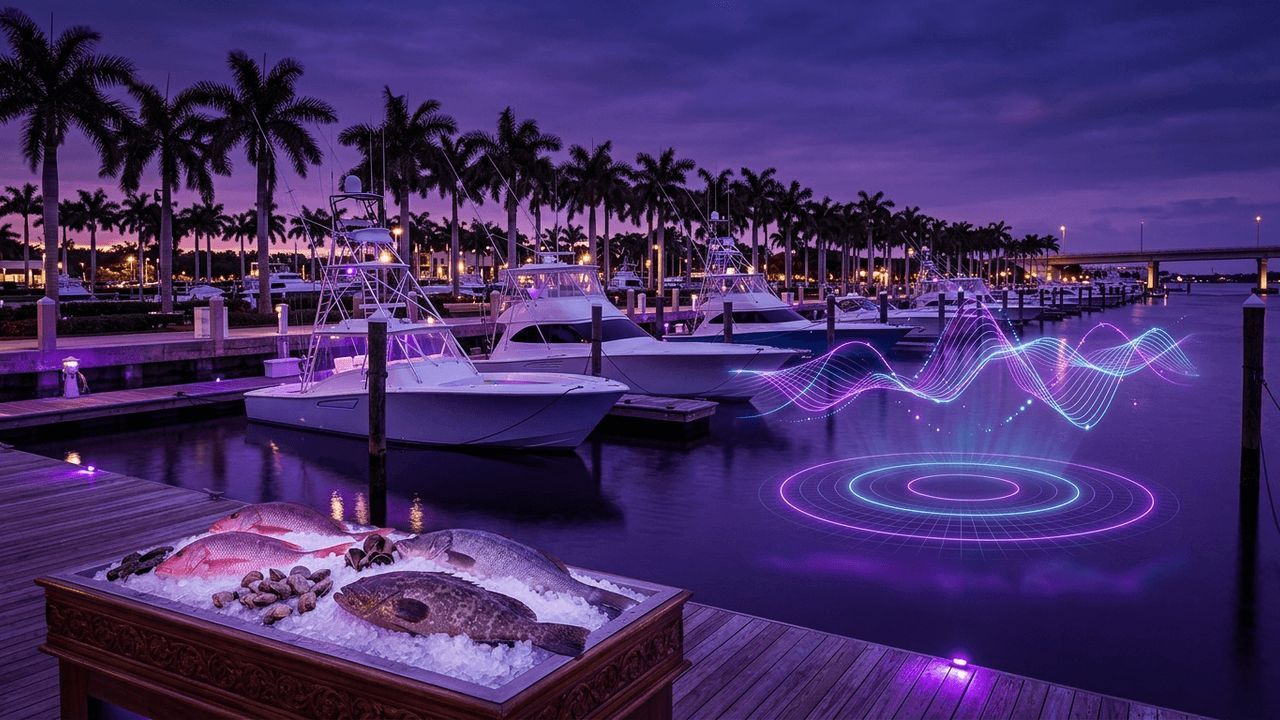
West Palm Beach enjoys a rare geographic advantage. The warm Gulf Stream passes closer to the Palm Beach coastline than almost anywhere else in Florida, bringing sailfish, mahi-mahi, wahoo, tuna and snapper within a short boat ride of the Lake Worth Inlet. To the west, Lake Okeechobee has supported freshwater commercial fishing for generations. The result is a diverse fishery economy that includes commercial fishing fleets, wholesale seafood distributors, retail fish markets, aquaculture ventures and a world-famous sportfishing community.
The companies in this guide were chosen for quality, freshness, sustainability, customer reputation and their role in the regional seafood supply chain.
1. Cod and Capers Seafood
Cod and Capers in North Palm Beach is a long-standing seafood market and cafe trusted by home cooks and local chefs. It is known for a wide selection of fresh local catch, house-made dips and prepared items, and knowledgeable staff who can explain where each fish came from and how best to cook it.
2. Riviera Beach Commercial Fishing Fleet
The working waterfront around the Port of Palm Beach and Riviera Beach marinas supports commercial boats that target snapper, grouper, kingfish and dolphin. These independent operators supply local markets and restaurants and represent the traditional heart of the area fishery.
3. Sailfish Marina Resort
Located in Palm Beach Shores near the inlet, Sailfish Marina is one of the most recognizable names in the area sportfishing world. Its charter fleet, fuel dock and waterfront dining make it a hub for anglers, and it has long supported catch-and-release practices that protect the iconic sailfish population.
4. Palm Beach Fishing Charters Operators
A large network of licensed charter captains operates out of marinas across West Palm Beach, Palm Beach Gardens and Jupiter. These businesses blend tourism with fisheries knowledge and are often the first to notice changes in fish populations, making them valuable partners for scientific research.
5. Lake Okeechobee Freshwater Fisheries
Commercial and family-run operations around Lake Okeechobee have historically harvested catfish, bream and other freshwater species. The lake is also a world-class largemouth bass destination, and guide services in towns like Pahokee and Clewiston bring significant visitor spending to western Palm Beach County.
6. Captain Charlie's Reef Grill and Local Fish Houses
Local fish houses and seafood restaurants that buy directly from area boats form an important part of the supply chain. By featuring daily catch boards, they create steady demand for local fishermen and give diners a direct taste of Palm Beach waters.
7. Florida Atlantic University Harbor Branch Aquaculture
Harbor Branch Oceanographic Institute, part of Florida Atlantic University, is a respected center for aquaculture and marine research on the Treasure Coast. Its work on sustainable fish farming, shellfish restoration and marine biology influences fisheries practices throughout the region.
8. Seafood Wholesale Distributors of South Florida
Regional wholesale distributors serving Palm Beach County move fresh and frozen seafood to hotels, country clubs and restaurants. The best distributors offer traceability, cold-chain management and a mix of local and imported species to meet the demands of a busy hospitality market.
9. Jupiter and Palm Beach Gardens Fish Markets
Independent fish markets in nearby communities offer filleted-to-order catch, stone crab claws in season and spiny lobster during the open season. Many work with the same captains year after year, which helps ensure consistent quality.
10. Lake Worth Lagoon Restoration Partners
While not a traditional fishery business, organizations and contractors working on Lake Worth Lagoon restoration play a vital role in the long-term health of local fisheries. Projects that rebuild oyster reefs, seagrass beds and mangrove shorelines provide nursery habitat for juvenile fish that later support both commercial and recreational fishing.
Sustainability and Regulation
Fishery companies in West Palm Beach operate under state and federal rules that set seasons, size limits and quotas for many species. Responsible businesses go beyond compliance by supporting catch-and-release for billfish, avoiding overfished species and educating customers about sustainable choices. Consumers increasingly want to know whether their fish was caught locally, how it was handled and whether it came from a well-managed stock.
Trends in the Local Seafood Industry
Several trends are reshaping the industry. Restaurants are embracing lesser-known local species such as tripletail and lionfish, the latter of which helps remove an invasive predator from reefs. Aquaculture is expanding as a way to meet demand without adding pressure to wild stocks. Digital tools, from online ordering at fish markets to electronic catch reporting on commercial boats, are making the supply chain more transparent.
How to Choose a Seafood Supplier
When selecting a fishery partner, look for clear sourcing information, proper temperature handling, consistent supply and staff who understand the product. For restaurants, reliability during peak winter season is essential. For home cooks, a market that offers advice, cleaning services and seasonal specials can make a big difference.
Conclusion
From inlet charter fleets to lake guides and neighborhood fish markets, the fishery companies of West Palm Beach reflect a region where the ocean and freshwater shape daily life. Supporting businesses that prioritize freshness and sustainability helps ensure these waters stay productive for generations to come.