
Washington Wholesale and Industry Overview
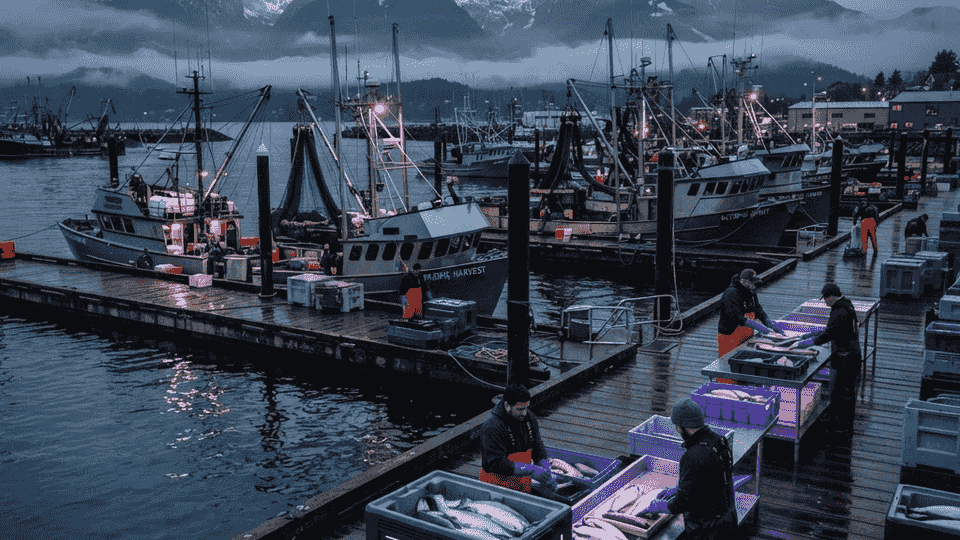
Washington's seafood economy connects tribal fisheries, commercial fleets, aquaculture farms, processors, distributors, restaurants, and global markets. Puget Sound, coastal ports, and access to Alaska make the state an important seafood hub even when harvest occurs beyond Washington waters. Buyers must consider species, seasonality, handling, certification, labor, and cold-chain performance. These ten companies are notable participants in the region's seafood supply network.
Traceability and resource stewardship increasingly shape seafood purchasing. Restaurants and retailers want reliable harvest information, while processors invest in freezing, portioning, byproduct utilization, and temperature monitoring. Climate shifts and marine heat events can change availability, making diversified sourcing and transparent substitutions more important.
1. Trident Seafoods
Seattle-based Trident Seafoods is one of the best-known seafood harvesting and processing companies in the Pacific Northwest. Its portfolio includes wild Alaska pollock, salmon, crab, cod, and other species in multiple formats. Scale, processing infrastructure, and broad market reach distinguish the company.
2. American Seafoods
American Seafoods is headquartered in the Seattle area and operates at-sea harvesting and processing vessels, especially in the Alaska pollock fishery. Integrated processing supports frozen blocks, surimi, roe, and related products. Buyers interested in large-volume programs may value consistency and vessel-to-market control.
3. Ocean Beauty Seafoods
Ocean Beauty Seafoods has longstanding Seattle roots and supplies wild salmon and other seafood products. Processing and distribution capabilities support retail, foodservice, and international channels. Species expertise and value-added formats help customers manage seasonal demand.
4. North Pacific Seafoods
North Pacific Seafoods processes and markets Alaska seafood, with commercial connections through the Pacific Northwest. Its range includes salmon, pollock, cod, and other species depending on season and operation. Plant capabilities and harvest timing are central to product availability.
5. UniSea
UniSea is connected to major seafood processing operations in Alaska and commercial activity through Washington's seafood business community. It is known particularly for pollock and other North Pacific species. Integrated processing and cold storage help preserve quality at substantial scale.
6. Icicle Seafoods
Icicle Seafoods has deep roots in the Pacific Northwest and Alaska seafood sectors. Its history spans salmon and other wild fisheries, processing, and distribution. Buyers should confirm current ownership, product programs, and operating locations as industry structures evolve.
7. Taylor Shellfish Farms
Taylor Shellfish Farms is a Washington-based producer of oysters, clams, mussels, and geoduck. Its South Sound heritage and hatchery-to-market knowledge make it a leading regional shellfish name. Water quality, harvest tags, temperature control, and careful handling are essential differentiators.
8. Pacific Seafood
Pacific Seafood is a vertically integrated seafood company serving western markets with wild and farmed products. Its distribution reach and broad species portfolio can support restaurants, retailers, and institutional customers in Washington. Value-added processing and logistics offer one-source convenience.
9. Seafood Producers Cooperative
Seafood Producers Cooperative is a fisherman-owned cooperative representing independent hook-and-line harvesters. The organization is associated with carefully handled wild seafood and direct alignment with member fishermen. The cooperative model appeals to buyers seeking harvest stories and traceable sourcing.
10. Lummi Island Wild
Lummi Island Wild is known for reefnet-caught salmon and a place-based approach tied to Washington waters. Its selective harvesting story and premium handling appeal to chefs and specialty buyers. Availability is seasonal, making advance planning and flexible menus important.
Industry Trends to Watch
Seafood suppliers are expanding digital traceability, recyclable packaging, rapid freezing, and full utilization of harvested fish. Certification can support purchasing goals, but buyers should understand what each standard covers and avoid treating a logo as a substitute for due diligence. Tribal treaty rights and co-management are also fundamental to understanding fisheries in Washington.
How to Choose the Right Washington Partner
Specify species, origin, harvest method, product form, glaze, size, pack, and acceptable substitutions before comparing quotes. Verify licenses, temperature records, recall procedures, and shellfish tags where applicable. For fresh programs, assess delivery frequency and remaining shelf life; for frozen products, inspect freezing method and storage history. A high-performing supplier offers accurate documentation and communicates early when weather or seasons affect supply.
Practical Evaluation Checklist
Before committing, ask two or three shortlisted providers to quote the same representative order so comparisons remain fair. Record product cost, freight, minimum quantities, estimated arrival, payment terms, warranty coverage, and return conditions in one worksheet. Check references from businesses of a similar size and confirm who will handle routine questions or urgent exceptions. Review samples, specification sheets, invoices, and packaging for consistency. Finally, establish measurable expectations for fill rate, quality, response time, and delivery, then review actual performance after the first several orders. This disciplined process turns an appealing catalog into an evidence-based sourcing decision.
Final Perspective
Washington buyers should treat this list as a research starting point rather than a universal ranking. Availability, account eligibility, territories, product lines, and service levels can change. Build a written scorecard, verify current terms directly with each business, and begin with a measured order or pilot program. The strongest long-term relationship will align dependable quality and responsive service with the specific needs of your customers, team, location, and growth plan.