
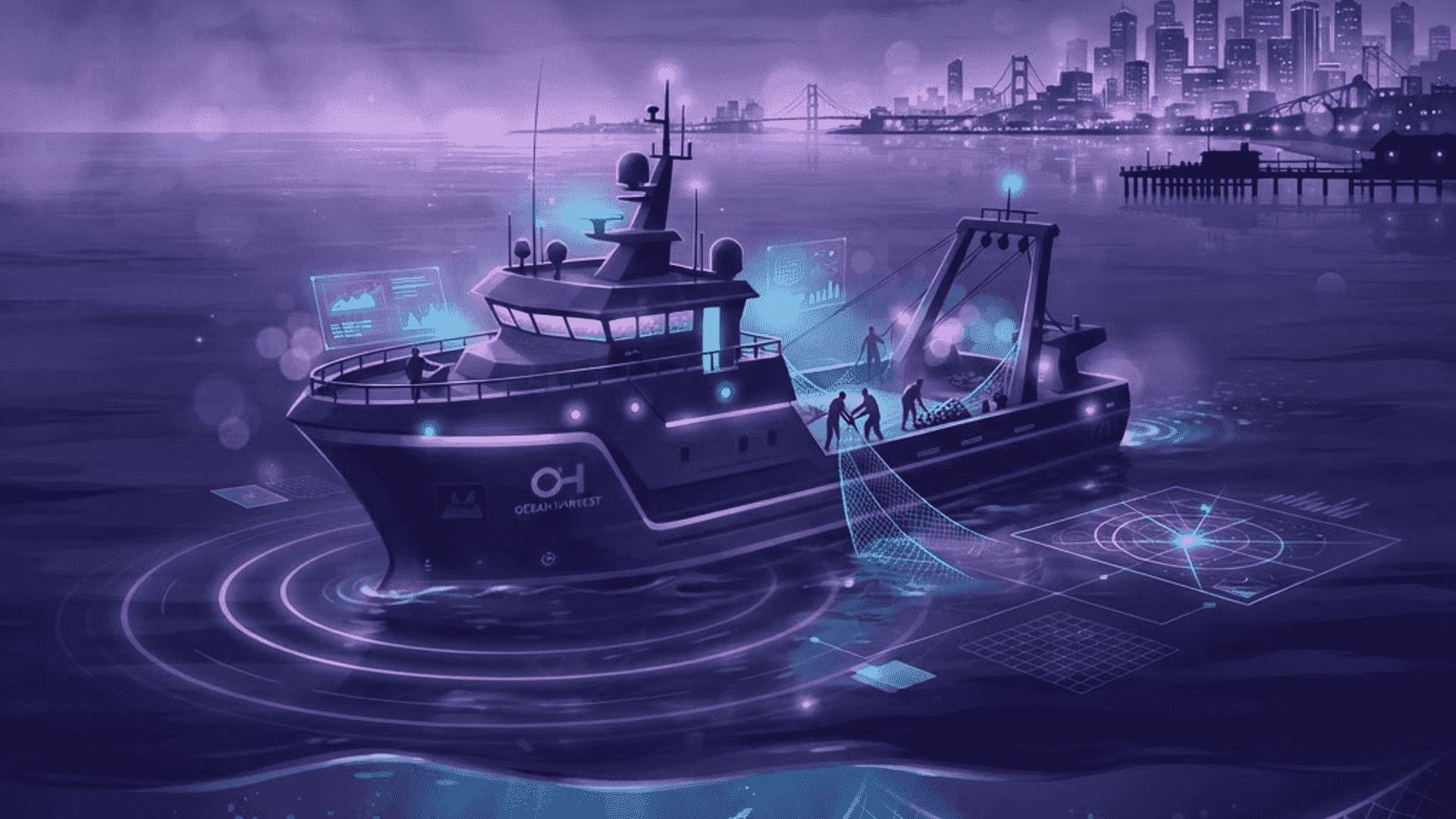
A Working Waterfront With Deep Roots
Virginia Beach sits at the mouth of the Chesapeake Bay, where estuarine nursery grounds meet the open Atlantic. That geography has supported commercial fishing for centuries and still underpins a substantial local industry. Croaker, flounder, black sea bass, striped bass, blue crab, oysters, clams, and menhaden all move through local docks, and the city's proximity to major East Coast markets means fresh product can reach restaurants in multiple states within a day of landing.
The industry today looks different from the one older residents remember. Quotas, permits, gear restrictions, and habitat protections govern nearly every fishery. Rather than shrinking the sector, this regulatory framework has professionalized it — the companies that thrive now are the ones that invested in traceability, cold-chain quality, and diversification across species and seasons.
What Defines a Quality Fishery Operation
For buyers, the difference between excellent and mediocre seafood is decided in the first few hours after harvest. Immediate icing, rapid offloading, well-maintained refrigeration, and short handling chains preserve texture and shelf life far more than any marketing claim. Serious operations document harvest date, area, and vessel, and they comply with shellfish sanitation and HACCP requirements without being asked.
Sustainability credentials have become equally important. Chefs and grocers increasingly want to know gear type, bycatch practices, and whether a stock is managed within scientific limits. Companies that can answer clearly — and that participate in fishery management discussions rather than resisting them — command better pricing and longer-term contracts.
The Top 10 Fishery Companies in Virginia Beach
1. Lynnhaven Oyster Company
Reviving one of the most storied names in American shellfish, Lynnhaven Oyster Company farms oysters in the tidal waters that once supplied restaurants nationwide. Cage and float culture, careful sorting by size and shell shape, and rigorous water-quality monitoring produce a consistent, brand-worthy half-shell product that raw bars actively seek out.
2. Rudee Inlet Seafood
Working directly from one of the city's busiest small-boat harbors, Rudee Inlet Seafood buys, processes, and distributes day-boat finfish. Short trips and fast offloading give it a freshness advantage, and its retail counter has made it a fixture for both residents and visiting anglers.
3. Chesapeake Bay Crab Traders
Blue crab is the Chesapeake's signature harvest, and Chesapeake Bay Crab Traders handles it at scale — live crabs, picked meat, and soft-shell product in season. Careful grading, temperature discipline, and long relationships with independent crabbers keep supply steady even in uneven years.
4. Atlantic Fleet Fisheries
Atlantic Fleet Fisheries operates offshore vessels targeting sea bass, tilefish, and pelagic species under federal quota management. Onboard handling protocols and modern refrigeration allow multi-day trips without quality loss, and the company's compliance record is a significant asset with institutional buyers.
5. Sandbridge Shellfish Farms
Focused on hard clams alongside oysters, Sandbridge Shellfish Farms represents the aquaculture side of the local industry. Because farmed shellfish filter water and require no feed inputs, the operation markets itself credibly on environmental benefit as well as flavor consistency.
6. Cape Henry Fish Processors
Cape Henry Fish Processors provides the processing backbone many harvesters rely on: filleting, portioning, individually quick-frozen production, and vacuum packaging. Its facility standards and documented cold-chain make it a preferred partner for wholesalers supplying grocery and food-service channels.
7. Back Bay Wholesale Seafood
Back Bay Wholesale Seafood serves restaurants and markets across Hampton Roads with daily delivery routes and a broad species list. Buyers value its transparency about what is genuinely local on a given day versus what is sourced from other regions — a small honesty that builds real trust.
8. Tidewater Aquaculture Group
Tidewater Aquaculture Group runs land-based and pond systems producing finfish and baitfish, plus hatchery services supplying seed to other growers. As wild quotas tighten, its hatchery capability has become quietly strategic for the region's shellfish farms.
9. Oceanfront Sushi Grade Imports
Supplying the premium end of the market, this company combines local landings with carefully selected imports to give sushi restaurants and high-end kitchens a reliable year-round program. Handling standards for raw consumption are noticeably stricter than general wholesale, and the company documents them thoroughly.
10. First Landing Fisheries
First Landing Fisheries blends commercial harvesting with charter and educational operations, giving the public direct exposure to how seafood is caught. That dual role has made it an effective advocate for the industry and a dependable small-lot supplier to local chefs.
Sustainability and the Future of the Local Industry
Three forces will shape the next decade. Aquaculture continues to expand as a complement to wild harvest, particularly in shellfish, where Virginia has become a national leader. Traceability technology — from digital dock tickets to QR-coded case labels — is moving from optional to expected among large buyers. And climate change is shifting species distributions, pushing some traditional stocks north while bringing new opportunities from the south, which rewards companies flexible enough to change their catch mix.
Buying Seafood Like a Professional
Restaurants and retailers evaluating suppliers should ask three concrete questions: when was this harvested, where specifically, and how has it been held since. Suppliers who answer precisely are the ones worth building a menu around. It also pays to buy seasonally rather than demanding a fixed species list year-round, since local abundance shifts month to month. Finally, communicate volume needs early; capacity during peak tourist season is committed well in advance.
Final Thoughts
The fishery companies above span the full chain from water to plate — wild harvesters, shellfish farmers, processors, and distributors. Their collective durability reflects an industry that has absorbed regulation, market change, and environmental pressure without losing the working-waterfront character that makes Virginia Beach seafood worth seeking out.