
The Seafood Heritage of the Jersey Shore
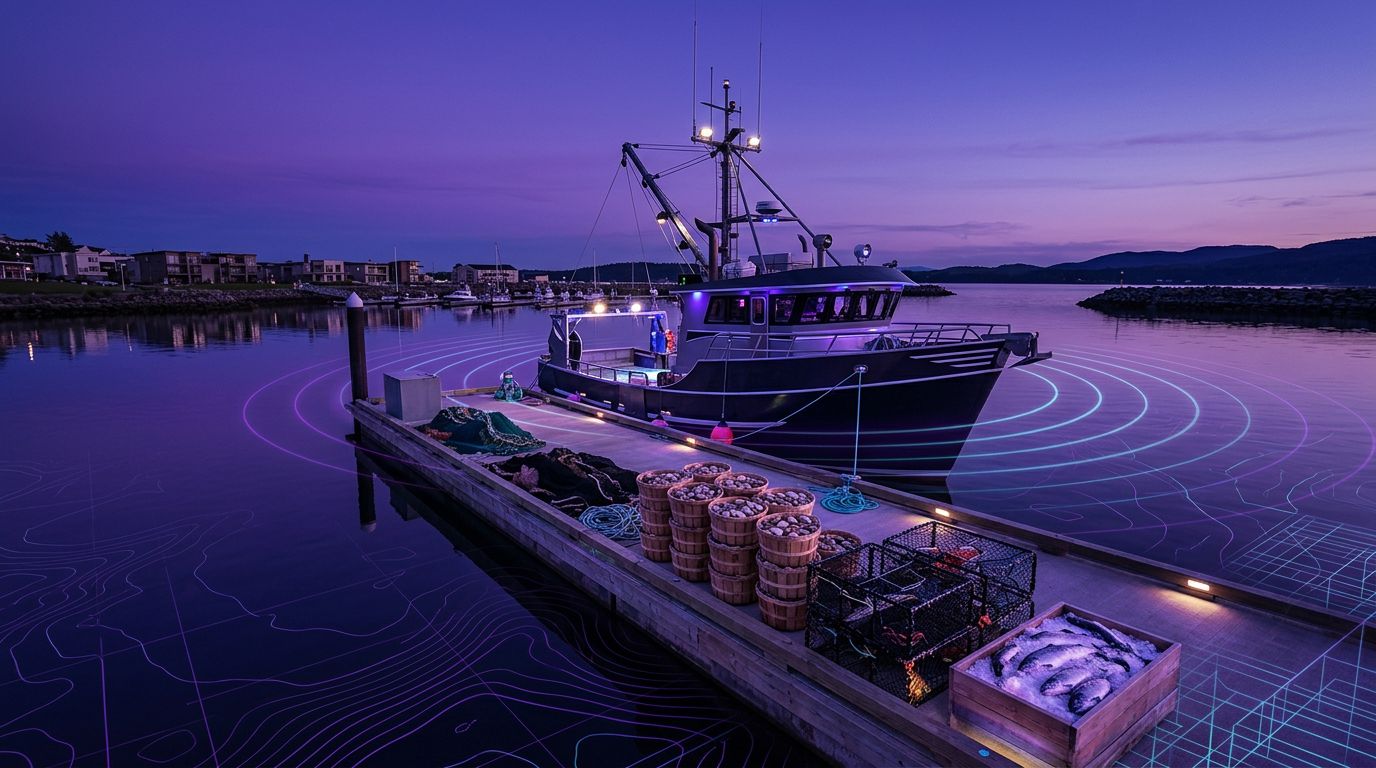
Toms River's location along Barnegat Bay and its proximity to the Atlantic Ocean place it at the center of a thriving seafood economy. Commercial fishing ports in Point Pleasant Beach and Barnegat Light are a short drive away, and the bay itself supports clamming, oyster aquaculture, and recreational fishing. New Jersey ranks among the leading states for commercial seafood landings, especially scallops, surf clams, and ocean quahogs.
The fishery companies and organizations below represent the best of this maritime tradition, supplying restaurants, markets, and households with fresh, responsibly harvested seafood.
1. Viking Village
Viking Village in Barnegat Light on Long Beach Island is one of the most important commercial fishing docks on the Jersey Shore. Its fleet lands scallops, tilefish, tuna, swordfish, and other species, supplying seafood markets and restaurants throughout the Northeast. The dock is also a cultural landmark, offering visitors a glimpse into the working waterfront.
2. Fisherman's Dock Cooperative
The Fisherman's Dock Cooperative in Point Pleasant Beach is a long-standing cooperative of commercial fishermen who pool resources to process and market their catch. Its members harvest species such as scallops, squid, fluke, and sea bass. The cooperative model gives independent boat owners greater bargaining power and helps maintain the region's fishing heritage.
3. Lund's Fisheries
Lund's Fisheries, based in Cape May, is one of the largest seafood processors on the East Coast. It specializes in squid, mackerel, herring, and scallops, supplying domestic and international markets. Lund's has invested heavily in sustainability certifications and modern processing technology.
4. Atlantic Capes Fisheries
Atlantic Capes Fisheries is a vertically integrated seafood company focused on sea scallops, as well as shellfish aquaculture. Its operations span harvesting, processing, and distribution, ensuring quality control from boat to plate. The company has also been involved in oyster farming initiatives that support coastal restoration.
5. Barnegat Oyster Collective
Barnegat Oyster Collective is a group of oyster farmers working in the waters of Barnegat Bay. Their oysters are prized for their clean, briny flavor, and the collective sells directly to restaurants and consumers. Oyster farming also improves water quality, as each oyster filters large volumes of water every day.
6. Belford Seafood Cooperative
The Belford Seafood Cooperative in Monmouth County is one of the oldest fishing cooperatives in New Jersey. Its members harvest bunker, fluke, and other species, and the cooperative supplies both seafood markets and bait dealers. It remains an important part of the Raritan Bay fishing community.
7. Cold Spring Fish and Supply
Cold Spring Fish and Supply in Cape May is a seafood wholesaler and fishing supply company with deep roots in the commercial fishing industry. It provides fresh seafood to restaurants and markets while supporting fishermen with gear and supplies.
8. Garden State Seafood Association
The Garden State Seafood Association represents commercial fishermen, processors, and seafood businesses in New Jersey. It advocates for science-based fishery management, works with regulators on quota and habitat issues, and promotes New Jersey seafood to consumers.
9. Rutgers Haskin Shellfish Research Laboratory
The Haskin Shellfish Research Laboratory, operated by Rutgers University, conducts research on oyster and clam populations, disease resistance, and aquaculture techniques. Its work supports both wild shellfish fisheries and the growing aquaculture industry in Barnegat Bay and Delaware Bay.
10. Stockton University Marine Field Station
Stockton University's Marine Field Station near the Mullica River estuary supports research and education on coastal ecosystems, fisheries, and water quality. Its studies help inform resource management decisions that protect fish and shellfish habitats along the Jersey Shore.
Choosing Quality Local Seafood
When buying seafood in Toms River, look for fish markets and restaurants that source from local docks and can tell you when and where the catch was landed. Fresh fish should have clear eyes, firm flesh, and a clean ocean scent. Shellfish should come from certified harvest areas, and seasonal availability is a good indicator of freshness. Fluke and sea bass shine in summer, while scallops and clams are available much of the year.
Buying local seafood supports independent fishermen and reduces the environmental footprint associated with long-distance transportation. It also helps preserve the working waterfronts that give Jersey Shore communities their character.
Trends in the Regional Fishery Industry
Aquaculture is one of the fastest-growing segments of New Jersey's seafood economy, particularly oyster farming in Barnegat Bay and Delaware Bay. Climate change is shifting fish populations northward, prompting adjustments in fishing practices and regulations. Offshore wind development has also introduced new conversations about ocean use, habitat, and fishing access. Meanwhile, traceability technology and direct-to-consumer sales are helping fishermen capture more value from their catch.
Conclusion
The fishery companies and organizations serving the Toms River area represent a proud maritime tradition and a commitment to sustainable harvests. From scallop boats at Viking Village to oyster farms in Barnegat Bay, these businesses bring the flavor of the Jersey Shore to tables across the region. Supporting them ensures that coastal fishing communities remain vibrant for generations to come.