
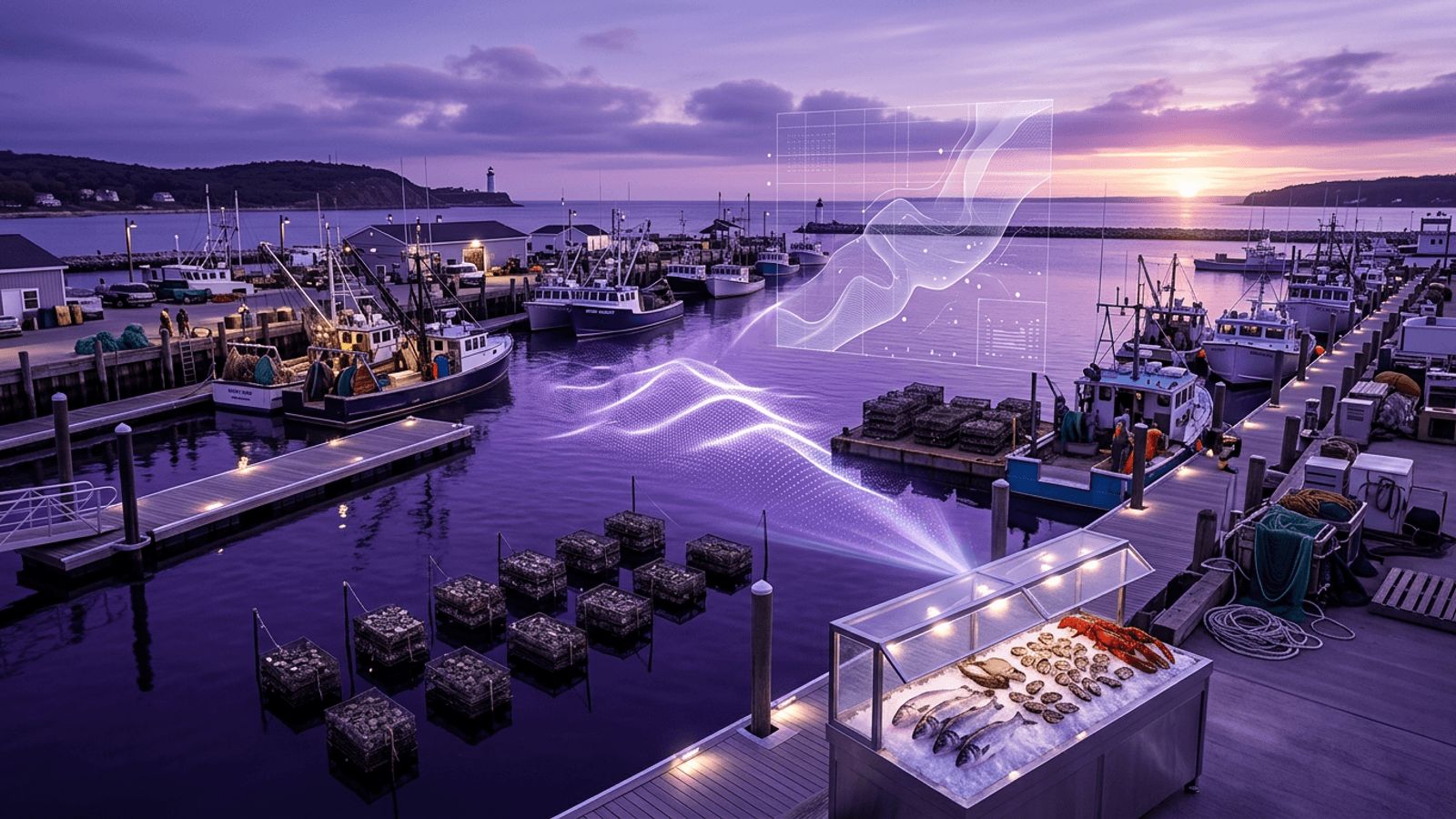
Stamford and the Bounty of Long Island Sound
Stamford's shoreline along Long Island Sound connects the city to one of the most productive estuaries on the East Coast. For centuries, the Sound has supported oyster beds, clam flats, lobster fisheries, and finfish. While Stamford's harbor today is better known for marinas and waterfront dining, the surrounding coastline from Norwalk to Stonington remains home to working shellfish farms and fishing fleets.
Restaurants, seafood markets, and home cooks in Stamford can access exceptionally fresh seafood from these regional producers, as well as from the massive wholesale markets of New York City. The ten fishery companies and seafood businesses below stand out for quality, sustainability, and their contribution to the region's maritime economy.
How We Chose These Companies
We considered product freshness, sustainable harvesting and aquaculture practices, reputation among chefs and consumers, community involvement, and accessibility to Stamford buyers.
The Top 10 Fishery Companies
1. Norm Bloom and Son
Based in neighboring Norwalk, Norm Bloom and Son is one of the largest oyster producers in Connecticut, harvesting Copps Island Oysters from beds in Long Island Sound. The family business has farmed oysters for generations and is known for natural, sustainable cultivation and briny, clean-tasting oysters prized by Stamford restaurants.
2. Fjord Fish Market
Fjord Fish Market, with locations in Fairfield County, is a respected seafood retailer and wholesaler. It offers a wide selection of fresh fish, shellfish, and prepared seafood dishes, and its knowledgeable staff help customers choose the best catch of the day.
3. Fulton Fish Market
The Fulton Fish Market in the Bronx is one of the largest seafood wholesale markets in the United States. Its merchants supply restaurants and retailers across the tri-state area, including many in Stamford, with seafood from around the world.
4. Thimble Island Oyster Company
Thimble Island Oyster Company, based in the Branford area, farms oysters and other shellfish using sustainable methods. Its operation is part of a broader movement toward restorative ocean farming in Connecticut waters.
5. Noank Aquaculture Cooperative
The Noank Aquaculture Cooperative brings together shellfish farmers in eastern Connecticut. Its members raise oysters and clams and market them collectively, ensuring consistent supply and quality for restaurants and wholesalers.
6. GreenWave
GreenWave, founded in Connecticut, is a nonprofit dedicated to regenerative ocean farming of kelp and shellfish. Its model trains new ocean farmers and promotes seaweed and shellfish cultivation as a climate-friendly food source.
7. Stonington Commercial Fishing Fleet
The Stonington fleet is Connecticut's last remaining commercial fishing fleet. Its boats harvest scallops, flounder, lobster, and other species, maintaining a proud maritime tradition and supplying fresh seafood throughout the state.
8. Rowayton Seafood
Rowayton Seafood, located in the coastal village of Rowayton near Stamford, combines a seafood market and restaurant. It is known for fresh local fish, lobster, and shellfish served in a classic New England waterfront setting.
9. Red's Best
Red's Best, based in Boston, connects small-scale New England fishermen with buyers through a traceability system that identifies the boat and catch. Its emphasis on transparency and underutilized species supports sustainable fisheries.
10. Stew Leonard's Seafood Department
Stew Leonard's, the Connecticut-based farmers' market style grocer with a nearby Norwalk store, operates a high-volume seafood department. Its fresh fish counter is a popular destination for Stamford shoppers seeking quality seafood at accessible prices.
Trends in the Seafood Industry
Aquaculture is growing rapidly in Connecticut, especially oyster and kelp farming. Shellfish farming improves water quality because oysters filter water as they feed, making it one of the most sustainable forms of food production. Kelp cultivation is attracting interest as a nutritious, carbon-absorbing crop.
Traceability and sustainability certifications are increasingly important to consumers and chefs. Diners in Stamford want to know where their seafood comes from, and restaurants proudly highlight local oysters and catches on their menus. Climate change is also shifting species distribution in the Sound, prompting fishermen to adapt.
Tips for Buying Quality Seafood
Look for fish with clear eyes, firm flesh, and a fresh ocean smell. Shellfish should be tightly closed or close when tapped. Ask your fishmonger about the origin and harvest date, and choose seasonal, local species whenever possible. Proper refrigeration and quick use preserve flavor and safety.
Frequently Asked Questions
Are Connecticut oysters safe to eat?
Yes. Connecticut shellfish beds are monitored and regulated by state agencies, and harvesting is restricted when water quality requires it. Buying from licensed producers ensures safety.
What seafood is local to Long Island Sound?
Oysters, clams, lobster, striped bass, bluefish, porgy, fluke, and black sea bass are among the species harvested in and around the Sound.
Why is shellfish farming considered sustainable?
Farmed oysters and clams require no feed, filter water, and provide habitat for marine life, making them an environmentally beneficial protein source.
Conclusion
Stamford's seafood lovers and chefs benefit from an outstanding network of fishery businesses, from Norm Bloom and Son's Copps Island Oysters to regenerative pioneers like GreenWave and trusted markets such as Fjord Fish Market. By choosing local, sustainable seafood, residents support Connecticut's maritime heritage and the health of Long Island Sound.