
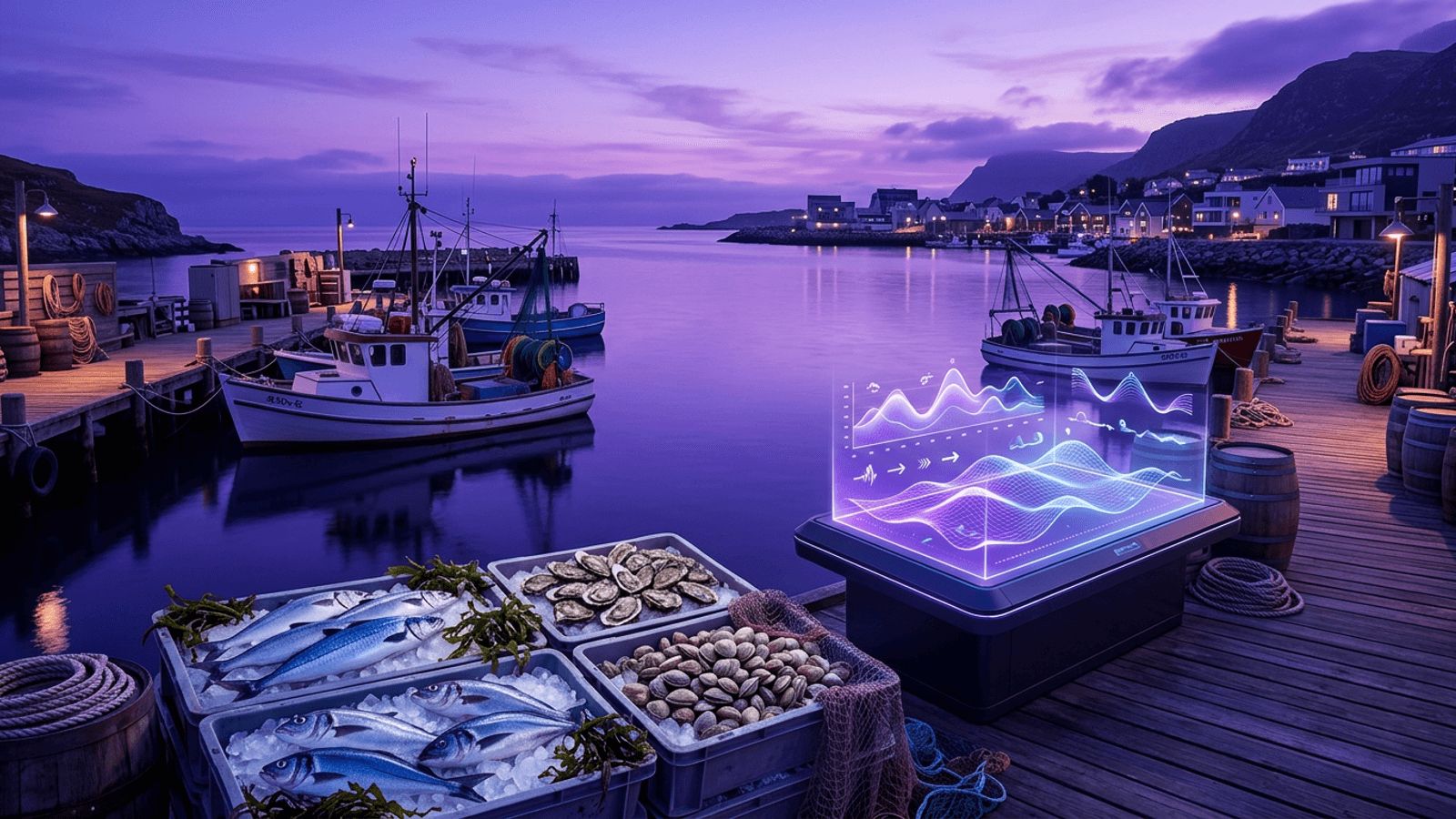
Smithtown's Connection to the Sea
Smithtown's northern edge touches the Long Island Sound, while the Nissequogue River and Stony Brook Harbor wind through its landscape. These waters have supported fishing and shellfishing for centuries. Today, Long Island's fisheries remain an important part of the regional economy, supplying restaurants, seafood markets, and home cooks with fresh fish, oysters, clams, scallops, and lobster.
The Long Island seafood industry includes commercial fishing fleets, sustainable oyster farms, wholesale distributors, and specialty markets. Many operations have embraced aquaculture and environmental stewardship to protect local waters. Here are ten fishery companies that serve Smithtown seafood lovers well.
Top 10 Fishery Companies Serving Smithtown
1. Frank M. Flower and Sons
Based in Oyster Bay, Frank M. Flower and Sons is one of the oldest oyster companies on Long Island. Its historic shellfish operation produces high-quality oysters and clams that appear on menus throughout the region.
2. Blue Island Oyster Company
Blue Island Oyster Company is known for its premium oysters and its commitment to sustainable harvesting. Its oysters are prized by chefs and raw bars across Long Island and New York City.
3. Braun Seafood Company
Braun Seafood in Cutchogue is a family-owned seafood wholesaler and retail market with deep roots on the North Fork. It supplies restaurants with fresh fish and shellfish while offering a popular market for home cooks.
4. Widow's Hole Oyster Company
Widow's Hole Oyster Company in Greenport cultivates oysters using sustainable methods in Peconic Bay. Its distinctive flavor profile has earned a loyal following among seafood connoisseurs.
5. Montauk Pearl Oysters
Montauk Pearl Oysters produces briny, clean-tasting oysters from Montauk's pristine waters. The company's focus on quality and environmental care has made it a favorite among Long Island restaurants.
6. Peeko Oysters
Peeko Oysters farms oysters in Peconic Bay and is recognized for its crisp, sweet flavor. Its sustainable aquaculture practices help improve water quality while supplying local markets.
7. Gosman's Dock
Gosman's Dock in Montauk is a legendary seafood destination with restaurants, markets, and a working fishing dock. Its fresh catches reflect the bounty of Long Island's eastern waters.
8. Southold Fish Market
Southold Fish Market offers fresh local fish, shellfish, and prepared seafood dishes. Smithtown residents visiting the North Fork often stop by for fresh fluke, striped bass, and scallops.
9. Montauk Commercial Fishing Fleet
Montauk is home to the largest commercial fishing port in New York State. Its fleet supplies fluke, sea bass, squid, scallops, and tilefish to wholesalers that serve restaurants throughout Suffolk County, including Smithtown.
10. Cornell Cooperative Extension Marine Program
While not a commercial company, the Cornell Cooperative Extension Marine Program plays a vital role in Long Island's fisheries through shellfish restoration and its SPAT community oyster gardening program. These efforts help sustain the local seafood industry for future generations.
The Importance of Local and Sustainable Seafood
Choosing locally harvested seafood supports Long Island fishing families and reduces the environmental impact of long-distance shipping. Shellfish farming also provides ecological benefits, as oysters and clams filter water and help restore marine habitats.
Sustainability certifications and transparent sourcing help consumers make responsible choices. Many Smithtown restaurants now list the farm or harbor where their oysters originate, giving diners confidence in quality and freshness.
Trends in the Long Island Seafood Industry
Aquaculture is one of the fastest-growing segments of Long Island's seafood economy. Oyster farms have expanded significantly in recent years, supported by restoration programs and growing consumer demand. Raw bars, seafood-focused restaurants, and direct-to-consumer seafood deliveries are also on the rise.
Climate change and water quality remain key challenges. Fisheries and conservation groups are working together to protect habitats, manage fish stocks, and adapt to changing ocean conditions.
Tips for Buying Fresh Seafood
Look for fish with clear eyes, bright gills, and a mild ocean scent. Shellfish should be tightly closed or close when tapped. Ask your fishmonger what is local and in season, as Long Island's seafood availability changes throughout the year.
Recreational Fishing and Shellfishing Around Smithtown
In addition to commercial fisheries, Smithtown residents enjoy rich recreational fishing opportunities. The Nissequogue River, Stony Brook Harbor, and the Long Island Sound offer excellent fishing for striped bass, bluefish, fluke, porgy, and blackfish depending on the season. Kings Park Bluff and the town's marinas provide convenient access for boaters and shore anglers alike. The Nissequogue River's tidal waters are particularly popular with kayak anglers seeking a peaceful setting.
Recreational shellfishing is also possible in designated areas, though residents must follow town and state regulations, including permits, size limits, and seasonal closures based on water quality. Checking current guidelines before harvesting is essential to ensure safety and protect shellfish populations. Party boats and charter captains operating from North Shore harbors offer guided trips for families and visitors who want to experience fishing without owning a boat. These outings provide a fun introduction to the sport and often yield a fresh catch for dinner. Recreational and commercial fishers alike share an interest in clean water and healthy fish stocks, making conservation efforts and responsible fishing practices important to the entire Smithtown community.
Conclusion
Smithtown's proximity to the Long Island Sound and the region's thriving fisheries make it a wonderful place for seafood lovers. By supporting local fishing companies and oyster farms, residents and restaurants help preserve a cherished maritime tradition while enjoying some of the freshest seafood available anywhere.