
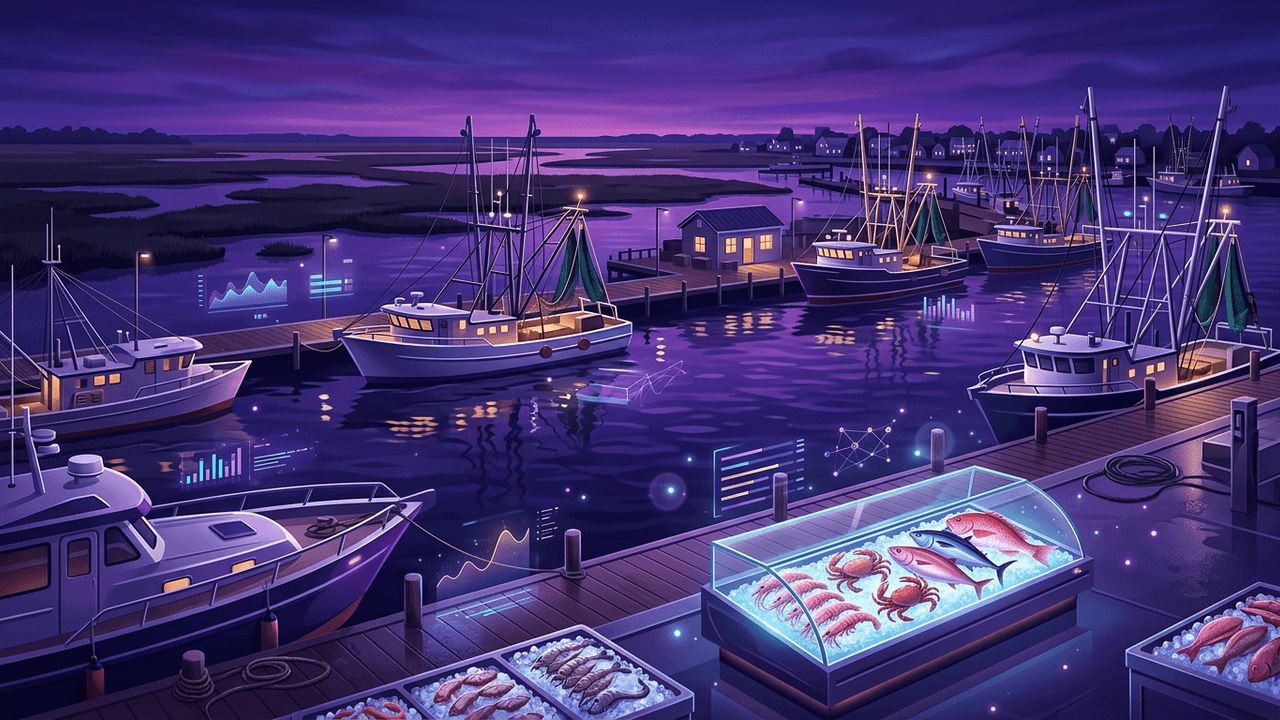
The Seafood Heritage of North Charleston
Few places in America are as closely tied to the sea as the Charleston region. North Charleston sits along the Cooper and Ashley Rivers, surrounded by tidal creeks, salt marshes and the Atlantic Ocean. These waters produce sweet wild American shrimp, briny oysters, blue crabs, flounder, grouper, snapper and more. Seafood is central to Lowcountry cuisine, from shrimp and grits to Frogmore stew and oyster roasts.
A strong network of fishing families, seafood docks, processors and distributors keeps that tradition alive. This guide reviews ten of the best fishery and seafood companies serving North Charleston, chosen for freshness, sustainability, reputation and service.
The Top 10 Fishery Companies Serving North Charleston
1. Crosby's Seafood
Crosby's Seafood on Folly Road has been a trusted name for generations. The family-run business offers fresh local shrimp, fish fillets, crabs and oysters, and it supplies both retail customers and restaurants. Its reputation for honesty and local sourcing makes it a go-to choice for Lowcountry home cooks.
2. Abundant Seafood
Abundant Seafood on Shem Creek works directly with local fishermen to deliver day-boat catch to chefs and consumers. The company emphasizes traceability and sustainability, often letting customers know exactly which boat brought in their fish. Many of the region's top restaurants list Abundant as a supplier.
3. Mount Pleasant Seafood
Mount Pleasant Seafood is a long-standing retail and wholesale market known for its wide selection of fresh and frozen seafood. Customers appreciate its knowledgeable staff, steamed seafood options and consistent quality across shrimp, scallops and finfish.
4. Wando Shrimp Company
Wando Shrimp Company operates one of the remaining working shrimp docks on Shem Creek. It is closely associated with the Lowcountry's wild shrimp industry and supplies fresh local shrimp during the season, helping preserve a fishing tradition that has defined the region for generations.
5. Tarvin Seafood
Tarvin Seafood is a family-owned operation focused on fresh local shrimp straight from the boat. The family's long history in shrimping and its commitment to wild-caught product have earned it loyal customers who value authentic Carolina shrimp.
6. Lowcountry Oyster Company
Lowcountry Oyster Company is part of the growing wave of shellfish farmers raising oysters in local waters. Farmed oysters provide year-round availability and help filter estuary waters, supporting healthier ecosystems around North Charleston and the surrounding coast.
7. Clammer Dave's Oysters and Clams
Clammer Dave has become a well-known name in sustainable shellfish harvesting in the Charleston area. His clams and oysters are prized by chefs for their quality, and his work highlights the value of carefully managed wild and cultured shellfish beds.
8. Charleston Oyster Farm
Charleston Oyster Farm cultivates premium single oysters in Lowcountry tidal waters. Its consistent size and clean, salty flavor make its oysters popular for raw bars, events and oyster roasts across the metro area.
9. Shem Creek Seafood Docks and Local Boats
The independent boats and docks that line Shem Creek and other local harbors collectively form the heart of the region's fishery. Buying directly from these operators gives residents access to the freshest seasonal catch while supporting family businesses facing rising costs and competition from imports.
10. Marine Resources Supported Fisheries
Many local fisheries work alongside South Carolina marine resource programs that monitor stocks, set seasons and promote sustainable harvesting. Companies that follow these guidelines help ensure that shrimp, crab and finfish populations remain healthy for future generations.
Industry Trends and Sustainability
The local seafood industry faces challenges from imported shrimp, fuel costs and changing ocean conditions. In response, many companies are leaning into branding wild American shrimp, adopting traceability tools and expanding aquaculture, particularly oyster farming. Consumers are increasingly asking where their seafood comes from, which benefits local producers who can tell a clear story about origin and quality.
Benefits of Buying Local Seafood
Local seafood typically reaches customers within hours or days of harvest, delivering superior flavor and texture. It supports working waterfront communities, reduces long-distance shipping and offers greater confidence in food safety standards. For restaurants, featuring local catch strengthens menus and connects diners to the Lowcountry's identity.
How to Choose a Seafood Supplier
Look for suppliers that clearly label wild or farmed products and identify the source of their catch. Ask about seasonal availability, handling practices and delivery options. Restaurants should evaluate consistency, volume capacity and cold chain reliability, while home cooks can benefit from staff recommendations on preparation.
Seasonal Guide to Lowcountry Seafood
Knowing what is in season helps buyers get the best quality and value. Wild shrimp typically come in waves, with roe shrimp in late spring, brown shrimp in early summer and the prized white shrimp arriving in late summer and fall. Oyster season generally runs through the cooler months, which is why oyster roasts are a beloved winter tradition across the Charleston area. Blue crabs are most plentiful in warmer months, while offshore species such as grouper, snapper, triggerfish and mahi depend on federal and state seasons. Asking your fish market what came in that morning is often the easiest way to enjoy the freshest local catch.
Many North Charleston residents also freeze local shrimp at the peak of the season to enjoy throughout the year, a practical way to support local boats while saving money compared with imported alternatives.
Final Thoughts
North Charleston's fishery companies carry forward a proud maritime tradition while adapting to modern demands. By choosing local suppliers that prioritize freshness and sustainability, residents and businesses can enjoy outstanding seafood while helping protect the waters and communities that make Lowcountry cuisine so special.