
Fisheries in a Landlocked but Water-Rich Region
Tennessee is not a coastal state, yet Middle Tennessee has a surprisingly active fishery sector. The Stones River system, Percy Priest Lake, and thousands of farm ponds and private lakes across Rutherford County create substantial demand for fish stocking, pond management, aquaculture production and recreational fishing support. Add the region's restaurants and grocers requiring consistent seafood supply, and the picture becomes broader still.
Fishery businesses here fall into several distinct groups. Aquaculture operations raise fish in controlled systems for food or stocking. Pond management companies design, stock and maintain private water bodies. Seafood distributors bring product in from the coast and manage cold chain logistics inland. Bait and tackle suppliers serve recreational anglers. Consultants and biologists provide technical services for landowners and municipalities managing water resources.
The Leading Fishery Companies in Murfreesboro
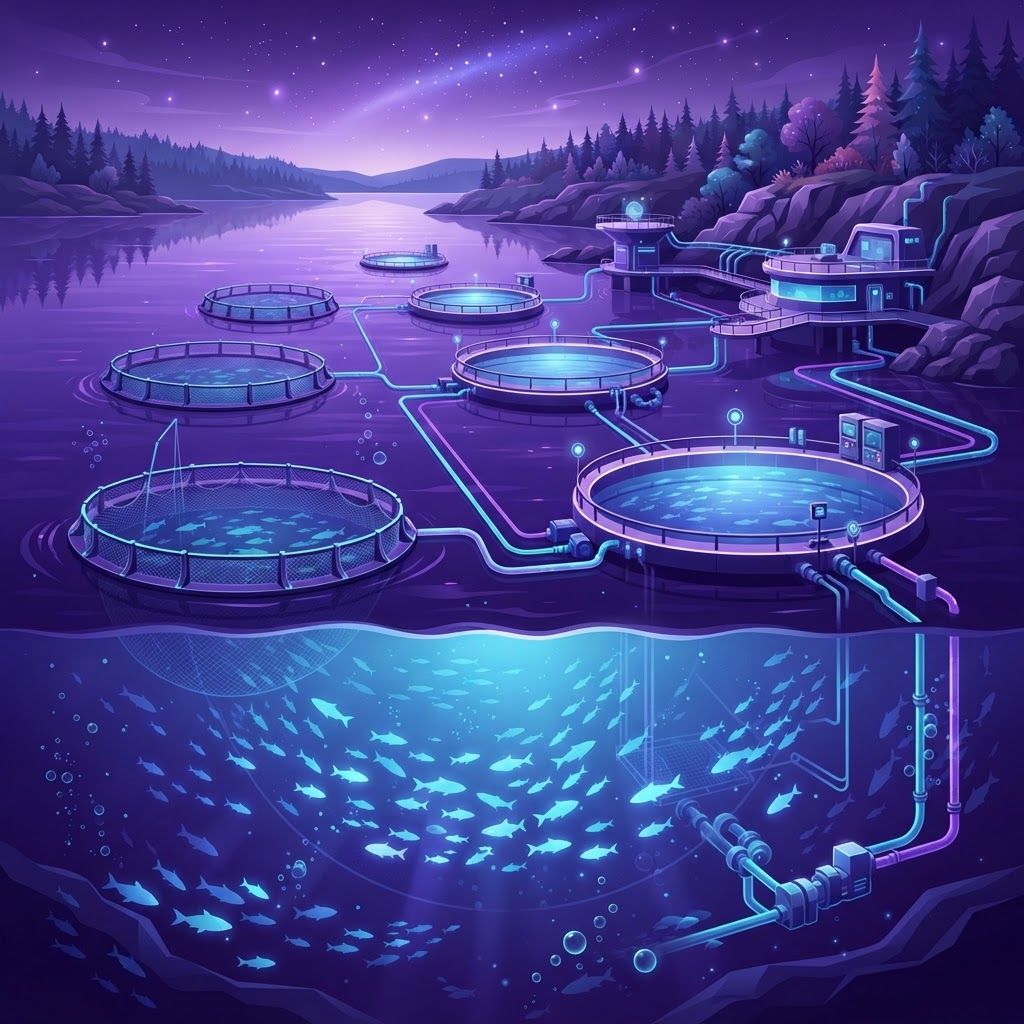
Stones River Aquaculture raises catfish, bass and bluegill for both food markets and pond stocking, operating recirculating systems that control water quality and allow year-round production regardless of season.
Rutherford Pond Management provides comprehensive private pond services including stocking, aeration, vegetation control, fish population surveys and habitat improvement for landowners who want productive fishing water.
Middle Tennessee Fish Hatchery produces fingerlings and stocker fish across multiple species, supplying pond owners, lake associations and conservation projects throughout the region.
Cannonsburgh Seafood Distribution handles fresh and frozen seafood for restaurants and retailers, maintaining rigorous cold chain control from coastal suppliers through inland delivery.
Blackman Bait and Tackle Supply serves recreational anglers and retail bait shops with live bait, terminal tackle and fishing equipment, supporting the substantial local fishing community.
Salem Creek Trout Farm raises trout in cool spring-fed water, supplying restaurants seeking local freshwater fish as well as stocking private waters for recreational fishing.
Veterans Parkway Aquatic Consulting offers biological survey work, water quality testing and fisheries management planning for landowners, developers and public agencies.
Old Fort Ornamental Fish and Aquatics supplies koi, goldfish and aquatic plants for water gardens and decorative ponds, a growing category as landscape water features become more common in residential development.
Gateway Aquaponics combines fish production with hydroponic vegetable growing in integrated systems, producing both protein and produce with notably efficient water use.
Broad Street Fish Processing completes the list by providing cleaning, filleting, packaging and freezing services for commercial producers and recreational anglers alike.
Aquaculture Practices and Water Quality
Successful fish production comes down to water quality management. Dissolved oxygen, ammonia, nitrite, pH and temperature must all stay within narrow ranges, and failures in any of them can kill an entire population quickly. Recirculating aquaculture systems address this by filtering and reconditioning water continuously, allowing high stocking densities with dramatically less water consumption than flow-through or pond systems.
Feed management is the other major operational variable. Feed represents the largest cost in most aquaculture operations, and feed conversion efficiency directly determines profitability. Overfeeding wastes money and degrades water quality simultaneously, making disciplined feeding practices doubly important.
Disease prevention relies on biosecurity rather than treatment. Quarantining incoming stock, controlling equipment movement between systems and maintaining low stress conditions prevent most problems that would otherwise require intervention.
Pond Management for Landowners
Many Rutherford County properties include ponds that are underperforming as fisheries because they were never properly managed. Common issues are straightforward to diagnose. Overpopulated bluegill with stunted growth indicate insufficient predator pressure. Muddy water suppresses productivity by limiting light penetration. Excessive aquatic vegetation reduces usable water and oxygen. Inadequate structure limits habitat for both forage and game fish.
Professional management addresses these systematically. A population survey establishes what is actually present, water testing identifies fertility and chemistry issues, and a stocking and harvest plan brings the fishery into balance over several seasons. Aeration extends the productive depth of the water column and prevents winter and summer fish kills. Properly managed, a modest farm pond can support excellent fishing for decades.
Seafood Distribution Inland
Supplying fresh seafood hundreds of miles from the coast is an exercise in logistics precision. Product must move quickly, remain within a narrow temperature band throughout transit and be handled to preserve quality. Distributors serving Murfreesboro restaurants rely on expedited freight, continuous temperature monitoring and disciplined receiving procedures.
Sustainability has become a meaningful purchasing factor. Chefs and consumers increasingly ask about species status, fishing methods and farm practices. Distributors who can document sourcing and offer certified sustainable options help restaurants make credible claims on their menus.
Trends in the Sector
Local and freshwater species are gaining menu presence as restaurants emphasize regional sourcing. Aquaponics and controlled environment production continue to expand, appealing to buyers interested in water efficiency and year-round consistency. Recreational fishing participation remains strong, supporting pond construction, stocking and tackle businesses.
Water resource management is also drawing attention from municipalities and developers, who increasingly engage aquatic consultants to manage stormwater ponds and amenity lakes as functional ecosystems rather than simply as drainage features.
Final Thoughts
Murfreesboro's fishery companies serve a wider range of needs than most people would expect from an inland city, from stocking a family farm pond to supplying restaurant kitchens with quality seafood. Whether the goal is recreation, food production or water resource management, the technical expertise available locally allows landowners and businesses to get genuinely good results from the region's abundant water resources.