
Fisheries in a Landlocked City
The phrase fishery company does not immediately suggest Nebraska, which is precisely why the sector in and around Lincoln is interesting. Without an ocean, the industry has organized itself around what the region actually has: reservoirs, farm ponds, river systems, abundant groundwater and inexpensive land suitable for controlled aquaculture. The result is a cluster of businesses focused on raising freshwater species, stocking private and public waters, supplying anglers, and distributing seafood inland with the cold-chain discipline that distance demands.
Demand is real and growing. Nebraska has tens of thousands of private ponds and lakes, an active recreational fishing culture, restaurants that expect reliable seafood delivery, and public agencies that manage stocking programs for reservoirs and urban lakes. Each of those needs supports a different kind of fishery business, and Lincoln sits at the logistical center of most of them.
How Modern Freshwater Fisheries Operate
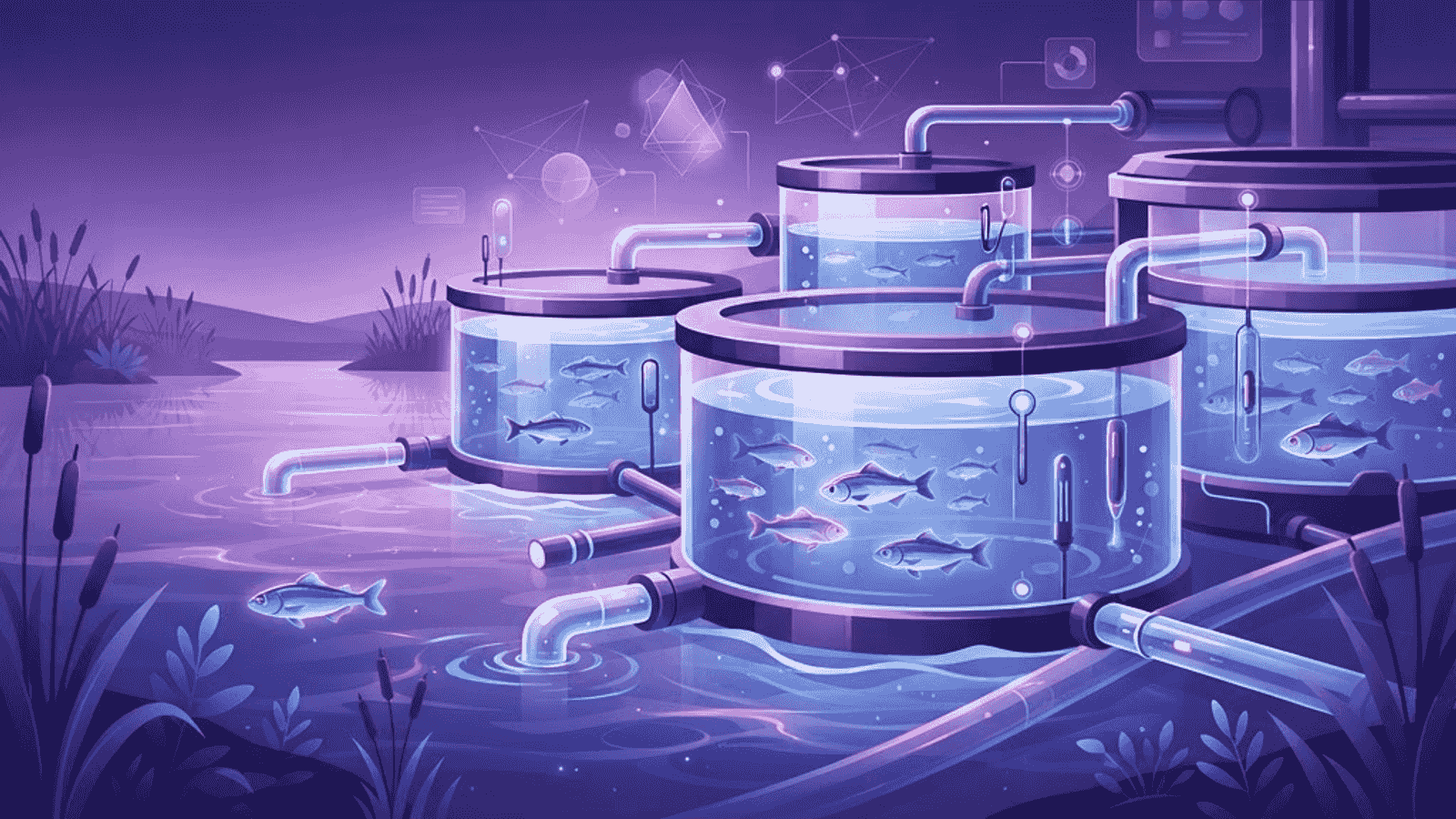
Contemporary aquaculture in the region relies heavily on recirculating systems, where water is filtered, oxygenated and reused rather than discharged. These systems cost more to build but allow year-round production, tight biosecurity, precise temperature control and dramatically lower water consumption than flow-through ponds. Combined with careful genetics, measured feed conversion and health monitoring, they let an inland operation produce consistent fish in a climate that would otherwise limit growing seasons.
The Top 10 Fishery Companies in Lincoln
1. Salt Creek Aquaculture
One of the region's more technically advanced producers, Salt Creek raises hybrid striped bass, tilapia and rainbow trout in recirculating systems with continuous water quality telemetry. The company supplies restaurants and grocers directly and is known for consistent sizing, which matters enormously to chefs plating portioned fillets.
2. Nebraska Pond Stocking Company
Serving landowners across the eastern half of the state, this company handles the full cycle of private water management: electrofishing surveys, population balance assessment, aeration design, vegetation control and delivery of largemouth bass, bluegill, channel catfish and forage species. Its consultative approach has made it a standard first call for new pond owners.
3. Prairie Waters Hatchery
Prairie Waters focuses on fingerling and fry production, supplying other growers as well as public and private stocking programs. Hatchery work is unforgiving because a single water quality lapse can eliminate a cohort, and the operation has built its reputation on redundancy, disease screening and detailed spawn records.
4. Capital City Seafood Distributors
Inland seafood distribution is a cold-chain problem before it is a sales problem. Capital City moves fresh and frozen product into Lincoln kitchens on tight schedules, maintaining temperature documentation throughout and working with suppliers that can demonstrate responsible sourcing. Its restaurant clients cite reliability during holidays and severe weather as the main reason they stay.
5. Antelope Valley Bait and Tackle Supply
Wholesale bait is an unglamorous but essential piece of the fishery economy. This company raises and distributes minnows, worms and specialty live bait to retailers across the region while supplying tackle inventory to independent shops. Live bait logistics demand constant aeration and rapid turnover, and few businesses do it well for long.
6. Platte River Fisheries Consulting
This firm works with municipalities, developers, conservation groups and landowners on habitat assessment, fish passage, stream restoration and permitting. Its biologists produce the studies that determine whether a project protects or damages a watershed, and the practice has grown as water quality regulation and public interest in river health have intensified.
7. Star City Fish Farms
Channel catfish and yellow perch anchor production here, with a business model built on pond-based grow-out supplemented by indoor nursery tanks. Star City sells live fish for stocking and processed fillets for local markets, and it has cultivated a following at seasonal community fish fries and farmers markets.
8. Heartland Aquaponics Ventures
Aquaponics couples fish production with hydroponic vegetables, using nutrient-rich water from tanks to grow greens and herbs. Heartland has made the model commercially credible by focusing on high-turnover crops with local buyers, using the fish as both a product and a nutrient engine. The operation also hosts educational tours for schools.
9. Wilderness Lakes Fish Health Services
Fish health is a specialized veterinary and diagnostic field. This service company provides pathology, parasite identification, water chemistry analysis and biosecurity planning for producers and pond owners. Early detection is the difference between treating a tank and losing a year of production, and its rapid turnaround has earned regional trust.
10. Big Blue Cold Storage and Processing
Processing capacity determines whether small producers can reach commercial buyers. Big Blue offers inspected filleting, portioning, vacuum packaging and blast freezing on a contract basis, allowing modest operations to sell into channels that require documented food safety handling they could never build alone.
Industry Trends Worth Watching
Water efficiency is now the defining competitive advantage. Recirculating aquaculture systems have moved from experimental to expected, and producers who can demonstrate low water use per pound of fish have both cost and regulatory advantages. Traceability is following the same path, with buyers asking for documented origin and handling history. Meanwhile, interest in domestic protein production has renewed attention on inland aquaculture as a way to shorten supply chains that currently span oceans. Finally, the private pond market keeps expanding as acreage development continues around Lincoln, sustaining steady demand for stocking and management services.
Choosing a Fishery Partner
Pond owners should insist on a survey before a stocking recommendation, because stocking without understanding the existing population usually produces stunted fish and disappointment. Restaurants should evaluate distributors on documented cold-chain practice and on how they communicate when a shipment fails. Prospective producers should scrutinize water source reliability, energy costs and access to processing before investing in tanks.
The companies above have succeeded in a place that offers no natural advantage for fish farming, which says something about the value of engineering, discipline and local knowledge over geography.