
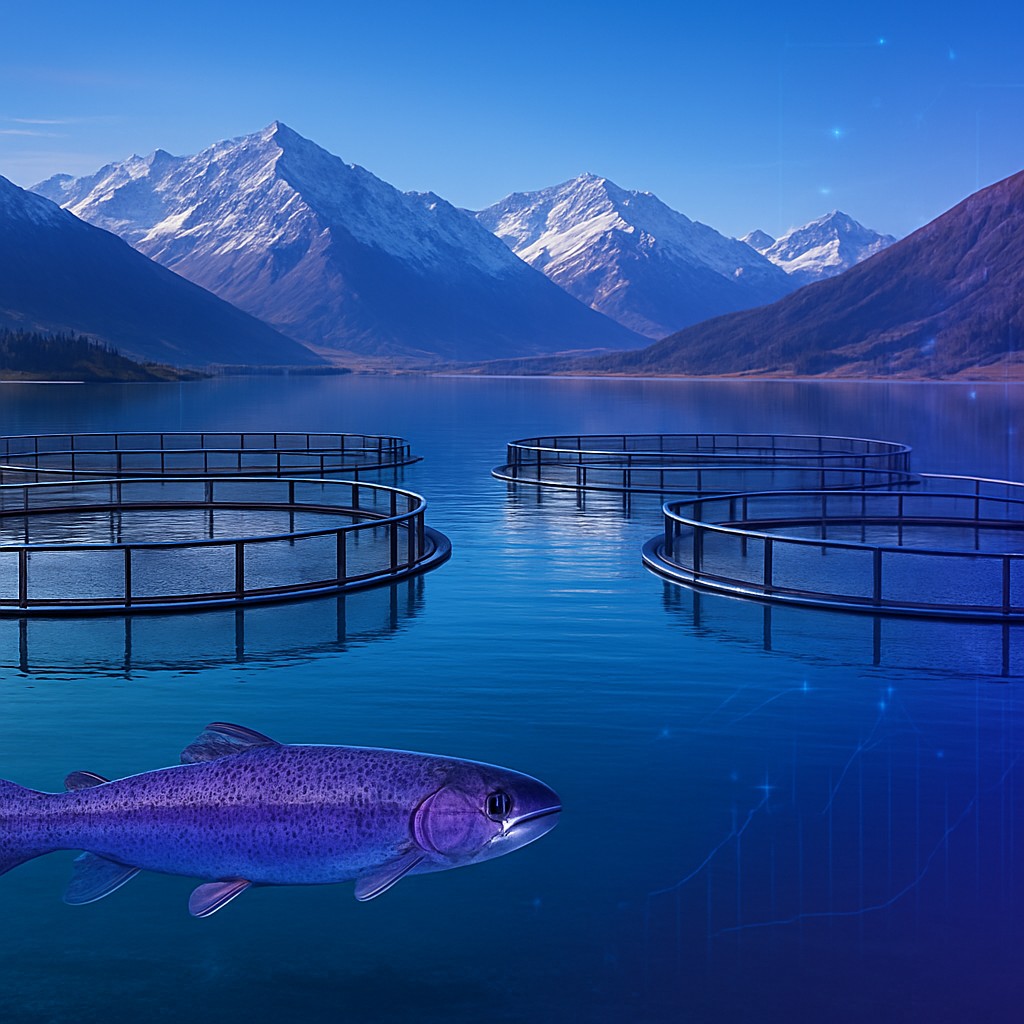
Fisheries in a Land of Mountain Waters
Although Kyrgyzstan is a landlocked country, its abundance of lakes, rivers, and cold mountain streams provides excellent conditions for freshwater fish farming. The pristine, oxygen-rich waters of regions like Issyk-Kul and the Tien Shan foothills are particularly well suited to species such as trout, which thrive in cold environments. Over the past decade, the fishery sector has grown steadily as companies recognize the potential of aquaculture to supply protein-rich food and reduce reliance on imported fish.
Fishery companies in Kyrgyzstan range from small family-run ponds to modern aquaculture facilities using advanced water management systems. Together, they are helping to revive a sector that suffered during economic transitions and to position fish as an important part of the national diet.
What Makes a Leading Fishery Company
The top fishery companies in Kyrgyzstan are defined by their commitment to water quality, fish health, and sustainable stocking practices. Cold-water species like trout require carefully managed conditions, and the best producers monitor oxygen levels, temperature, and feed quality closely. They also invest in hatcheries to ensure a reliable supply of fingerlings and to maintain healthy genetic stock.
Sustainability is a central concern. Responsible companies avoid overstocking, protect surrounding ecosystems, and work to prevent pollution of the valuable water bodies on which they depend. Strong distribution networks that keep fish fresh from pond to market are another hallmark of leading producers.
Prominent Fishery Companies in Kyrgyzstan
Issyk-Kul Trout Farms is among the most respected producers, known for high-quality cold-water trout raised in the lake's clean environment. Tien Shan Aqua Company operates modern facilities focused on sustainable trout and carp production. Ala-Too Fisheries supplies fresh fish to markets across the Chui region.
Naryn Cold Water Fish specializes in highland aquaculture, taking advantage of pristine mountain streams, while Bishkek Fish Supply focuses on processing and distribution to urban retailers. Manas Aquaculture has invested in hatchery operations to support the broader industry, and Osh Fishery Enterprise serves the southern markets with a variety of freshwater species.
Kyrgyz Trout Producers has built a strong brand around premium trout, Lake Song-Kul Fisheries operates in one of the country's most scenic high-altitude lakes, and Toktogul Reservoir Fish Company uses the large reservoir for carp and other warm-water species.
Trends in Kyrgyz Aquaculture
The fishery sector is evolving as companies adopt more efficient and environmentally responsible methods. Recirculating aquaculture systems, which reuse and filter water, are gaining attention for their ability to conserve resources and improve fish health. There is also growing interest in value-added products such as smoked and processed fish, which command higher prices and extend shelf life.
Consumer demand for fresh, locally produced fish is rising, supported by greater awareness of the health benefits of fish protein. This is encouraging companies to expand production and improve cold-chain logistics to maintain freshness across long distances.
Contribution to Food Security and Employment
Fishery companies make an important contribution to food security by providing an affordable, nutritious source of protein. They also create employment in rural areas, supporting livelihoods in communities near lakes and rivers. By developing domestic aquaculture, these companies help reduce dependence on imported fish and keep more economic value within the country.
Conclusion
Kyrgyzstan's fishery sector demonstrates how a landlocked nation can harness its natural water resources to build a productive and sustainable industry. The companies highlighted here are leading the way in quality, innovation, and environmental responsibility. As aquaculture continues to expand, these producers will play a key role in feeding the nation and strengthening rural economies.