
The Role of Fishery Companies in Indianapolis
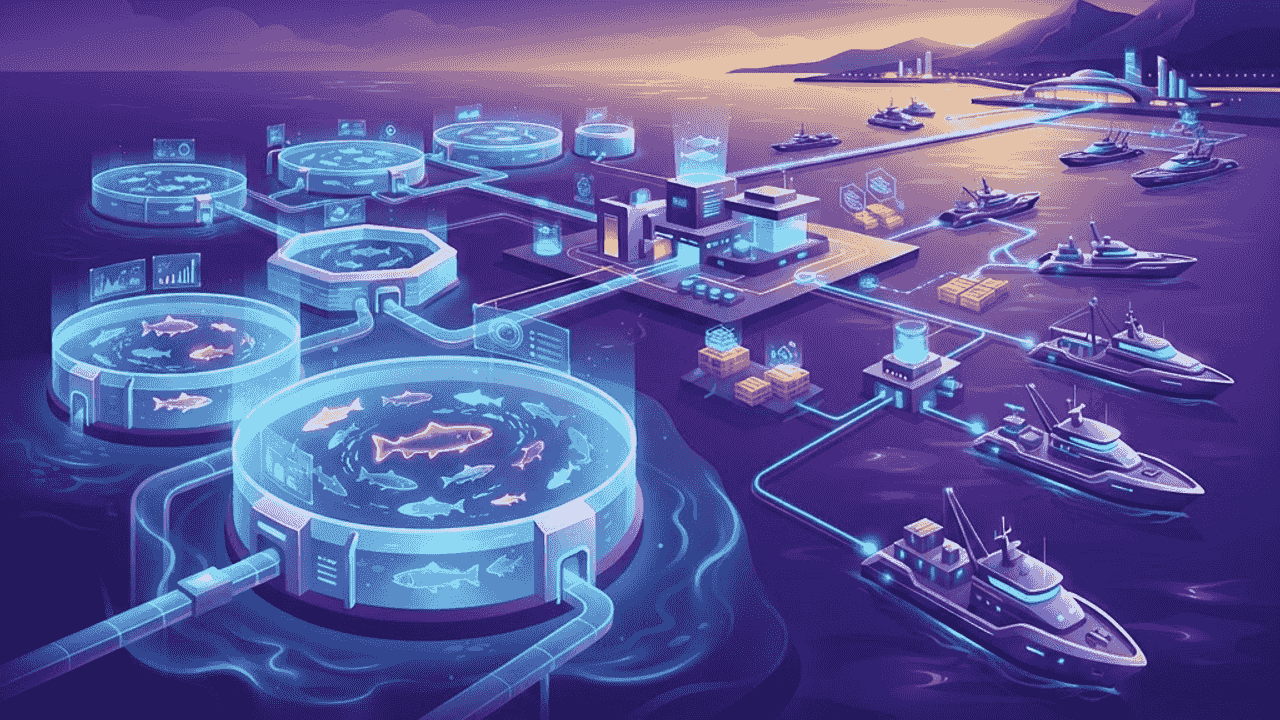
Although Indianapolis sits far from any coastline, fishery and aquaculture companies play an important role in supplying the city with fresh fish and seafood. Through indoor aquaculture, fish farming, and efficient distribution networks, these operations bring quality aquatic products to restaurants, grocers, and consumers across central Indiana. Their work demonstrates how modern food production can thrive even in landlocked regions.
Aquaculture has grown significantly as consumers seek healthy, protein-rich foods and as demand for sustainable seafood rises. Fishery companies in the region combine careful water management, controlled growing environments, and reliable logistics to deliver consistent, high-quality product year-round, regardless of season or geography. This capability has made local aquaculture an increasingly valuable part of the regional food system.
Aquaculture in a Landlocked Region
The rise of controlled-environment aquaculture has changed what is possible for inland cities like Indianapolis. Instead of relying entirely on distant coastal supply chains, local operations can raise fish in carefully managed systems close to consumers. This reduces transportation time, improves freshness, and lowers the environmental footprint associated with long-distance shipping.
These systems also provide greater control over quality and consistency. By managing water conditions, feed, and stocking carefully, fishery companies can produce reliable supply throughout the year. This dependability is highly valued by restaurants and grocers, who need consistent product to serve their customers well.
What Defines an Excellent Fishery Company
Quality and freshness are the defining measures of a strong fishery operation. Customers expect fish and seafood that is handled carefully, stored properly, and delivered promptly. Leading companies invest in clean, well-managed growing systems and cold-chain logistics that preserve freshness from harvest to plate.
Sustainability is equally central. Responsible fishery companies manage water quality, feed, and stocking densities to protect both product quality and the environment. Those that combine sustainable practices with dependable supply and transparent sourcing stand out in a market that increasingly values responsible food production. Strong food-safety standards and careful handling further distinguish the best operations.
Ten Leading Fishery Companies
White River Aquaculture is recognized for its modern indoor fish farming and consistent freshwater fish supply.
Circle City Seafood Distributors focuses on sourcing and distributing quality seafood to local restaurants and grocers.
Hoosier Fish Farms specializes in sustainable aquaculture with a strong emphasis on water quality and animal health.
Monument Aquatic Foods supplies a diverse range of fish products with reliable regional distribution.
Meridian Fresh Fish Company emphasizes freshness and careful handling for premium retail and dining customers.
Crossroads Aquaponics integrates fish farming with plant production in innovative closed-loop systems.
Capital City Seafood Supply serves foodservice customers with dependable volume and consistent quality.
Fountain Fisheries focuses on specialty and value-added fish products for discerning buyers.
Speedway Aquatic Distributors is known for fast, reliable delivery across the metro area.
Indy Sustainable Seafood rounds out the list with a strong commitment to responsible sourcing and eco-friendly practices.
Trends in Aquaculture and Seafood Supply
The fishery industry is evolving rapidly, and companies serving Indianapolis are embracing new approaches. Recirculating aquaculture systems, which reuse and carefully manage water, are gaining popularity because they enable controlled, sustainable fish production close to consumers. This reduces transportation distances and supports fresher product.
Consumer demand for sustainable and traceable seafood continues to grow, encouraging companies to emphasize responsible practices and transparent sourcing. Interest in healthy eating also supports steady demand, as fish remains a popular lean protein. Companies that innovate while maintaining quality are well positioned for continued growth, and many are exploring aquaponics and other integrated systems that combine fish and plant production.
Serving Restaurants and Grocers
Fishery companies play a vital role in supporting the region's dining and grocery sectors. Restaurants depend on consistent, high-quality fish to build their menus and satisfy customers, while grocers need reliable supply to keep seafood counters stocked. By providing dependable product and responsive service, fishery companies help these businesses operate smoothly and maintain their reputations.
Local sourcing also appeals to consumers who increasingly want to know where their food comes from. Fishery companies that emphasize transparency and responsible production help their customers meet this growing expectation.
Choosing a Reliable Fishery Partner
For restaurants, grocers, and distributors, selecting a fishery company means prioritizing freshness, consistency, and responsible sourcing. A dependable partner ensures steady supply and protects the reputation of businesses that serve seafood to the public. Sustainability credentials increasingly factor into these decisions as well.
The best fishery companies serving Indianapolis prove that quality seafood does not require proximity to the ocean. Through modern aquaculture, careful handling, and sustainable practices, these operations bring fresh, responsibly produced fish to the heart of the Midwest.
The Future of Local Aquaculture
Local sourcing appeals to consumers who increasingly want to know where their food comes from, and fishery companies that emphasize transparency and responsible production help meet that expectation. By shortening the distance between producer and plate, these operations support the broader movement toward regional food systems built on freshness and traceability. Education and outreach are becoming part of the mission as well, as companies share information about their growing methods and sustainability practices, building trust that strengthens the local seafood market and encourages continued investment in inland aquaculture.