
The Heart of Hawaii's Seafood Economy
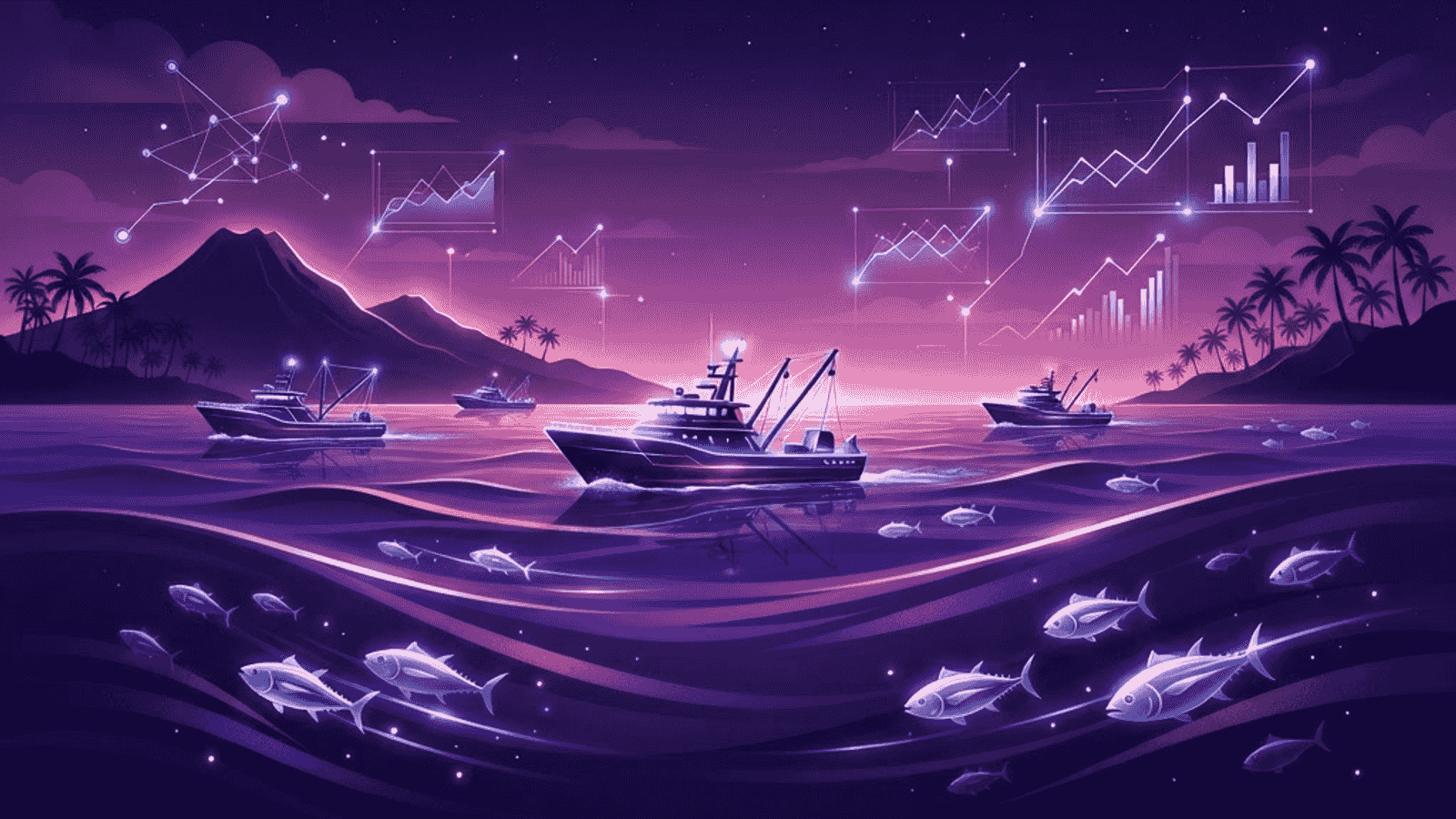
Honolulu sits at the crossroads of one of the richest fishing regions on the planet. Surrounded by the deep, nutrient-rich waters of the Pacific, the city has cultivated a fishery industry that is admired for its quality, freshness, and commitment to responsible harvesting. From bigeye tuna to mahi-mahi and opah, the seafood landed here supplies local restaurants, national distributors, and international markets. The fishery companies operating in Honolulu do far more than catch fish; they preserve a cultural legacy that reaches back generations while embracing the technology and sustainability standards demanded by today's consumers.
What Sets Honolulu Fishery Companies Apart
The best fishery companies in Honolulu are defined by their dedication to cold-chain integrity, traceability, and sustainable sourcing. Many operate their own fleets of longline vessels, maintain state-of-the-art processing facilities, and participate in auction systems that guarantee transparency and fair pricing. Buyers value the ability to trace a fillet back to the exact vessel and trip on which it was caught. This level of accountability has helped Honolulu earn a reputation as a premier seafood hub in the Pacific.
Leading Fishery Companies to Know
Pacific Ocean Producers is widely recognized as a cornerstone of the local industry, supporting commercial fishermen with gear, supplies, and logistics while championing sustainable fishing methods. United Fishing Agency operates the renowned Honolulu Fish Auction, the only fresh tuna auction of its kind in the United States, where buyers bid on premium catches landed daily. POP Fishing & Marine provides essential equipment and expertise that keep the local fleet running efficiently.
Garden & Valley Isle Seafood has built a strong reputation for premium fresh and frozen seafood distribution, while Tropic Fish Hawaii is known for supplying restaurants and retailers with a wide variety of island-caught species. Fresh Island Fish Company emphasizes quality control and rapid delivery, ensuring seafood reaches customers at peak freshness.
Sustainability and Innovation
Modern fishery companies in Honolulu increasingly invest in sustainable practices to protect the marine ecosystems that sustain their business. This includes adherence to strict quota systems, participation in marine stewardship programs, and the use of selective gear that minimizes bycatch. Companies such as Hawaii Seafood Company and Nico's Pier 38, which combines a fish market with a dockside restaurant, highlight the importance of freshness and community connection. Kona Cold Lobsters demonstrates how specialized aquaculture and cold-water species can diversify the local seafood portfolio.
The Role of the Honolulu Fish Auction
Central to the entire industry is the daily fish auction, where fishery companies, wholesalers, and chefs gather in the early morning hours to inspect and bid on the day's catch. This dynamic marketplace sets pricing, rewards quality, and reinforces the transparency that defines the Honolulu seafood trade. The auction also serves as a gathering point for knowledge sharing, allowing companies to stay current on market trends and consumer demand.
Choosing the Right Fishery Partner
For restaurants, retailers, and distributors seeking a reliable seafood supplier, the right fishery company offers consistency, traceability, and a genuine commitment to sustainability. Honolulu's top fishery businesses combine decades of experience with modern standards, making them trusted partners across the Pacific and beyond. Whether the priority is premium sashimi-grade tuna or a steady supply of reef fish, these companies deliver quality that reflects the pride and heritage of Hawaii's fishing community.
Understanding the Honolulu Seafood Supply Chain
To appreciate why the city's fishery companies operate the way they do, it helps to follow a single fish from ocean to plate. A longline vessel may spend two to three weeks at sea, chilling each catch immediately after landing it on deck. On return, the fish is offloaded before dawn, laid out by lot, and inspected by buyers who examine tail cuts and core samples to judge fat content, color, and texture. Within hours of the bidding, that same fish is being broken down in a processing facility, portioned to a chef's specification, and dispatched to a kitchen in Waikiki or loaded onto an outbound flight. Every link in that chain has a narrow tolerance for error, which is why the strongest local companies invest heavily in refrigeration, handling training, and logistics coordination rather than competing purely on price.
Species Knowledge That Buyers Should Have
Honolulu suppliers work with a distinctive range of Pacific species, and knowing their characteristics leads to better purchasing decisions. Bigeye tuna, known locally as ahi, carries higher fat content and is prized for sashimi, while yellowfin offers a leaner profile suited to searing and poke. Mahimahi delivers firm, mild flesh that holds up to grilling and travels well. Ono is lean and delicate, rewarding gentle cooking. Opah is unusual in that different sections of the same fish behave almost like different products, with the loin, belly, and cheek each suited to distinct preparations. Deepwater bottomfish such as opakapaka and onaga command premium prices for whole presentation and are strongly associated with celebration meals in local culture. Suppliers who can explain these differences and recommend appropriate cuts add measurable value to a kitchen.
Regulation, Stewardship, and Community Impact
The Hawaii longline fishery operates under one of the most closely monitored management regimes in the world, with federal permits, catch limits, observer coverage, and mandated gear modifications designed to reduce interactions with seabirds, sea turtles, and marine mammals. Compliance is not a marketing exercise here; it is a condition of operating. Companies that invest in crew training and gear improvements protect both the resource and their own access to it.
The economic footprint extends well beyond the vessels. Ice production, marine repair, fuel supply, packaging, trucking, and air cargo all depend on a functioning fishery, and thousands of jobs across Oahu are tied to it directly or indirectly. For many families the industry also carries cultural weight, continuing fishing traditions that long predate commercial markets. Buyers who understand this context tend to build longer and more productive supplier relationships, because they recognize that a fair price supports an entire local system rather than a single transaction.
Conclusion
The fishery companies of Honolulu represent a remarkable blend of tradition, innovation, and environmental responsibility. Their work sustains local livelihoods, supports the culinary reputation of the islands, and delivers world-class seafood to tables around the globe. As demand for sustainable, traceable seafood continues to grow, these companies are well positioned to lead the industry into a thriving and responsible future.