
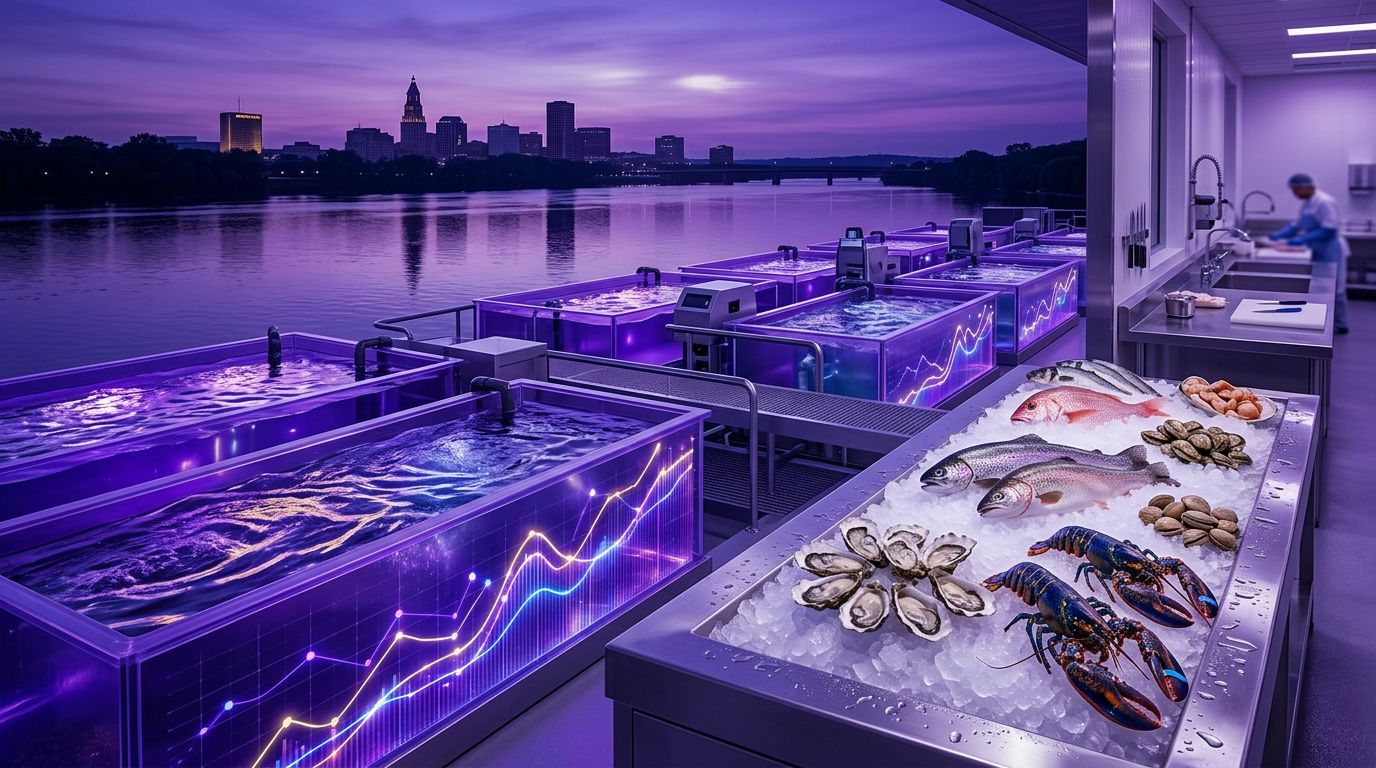
Seafood for the Capital City
Although Hartford is an inland city, it sits less than an hour from Long Island Sound and is closely connected to New England's legendary fishing ports. Connecticut is a national leader in oyster aquaculture, and the state's coastal towns support fishing fleets, shellfish farms, and seafood processors that supply restaurants and markets across Hartford County.
For chefs, grocers, and consumers, the best fishery companies combine freshness, sustainability, and traceability. The ten companies below represent some of the most respected seafood producers and distributors serving the Hartford region.
1. Copps Island Oysters
Copps Island Oysters, operated by Norm Bloom and Son in Norwalk, is one of the largest oyster producers in Connecticut. Its natural set oysters from Long Island Sound are prized for their clean, briny flavor. Hartford raw bars and seafood restaurants frequently feature Copps Island oysters on their menus.
2. Bomster Scallops
Bomster Scallops, based in Stonington, harvests premium sea scallops that are frozen at sea to lock in freshness. The family-run operation is known for quality and sustainability, and its scallops are sought after by fine dining chefs across New England.
3. Noank Aquaculture Cooperative
The Noank Aquaculture Cooperative brings together shellfish farmers in southeastern Connecticut. Its members grow oysters and clams in the waters near Noank and Mystic. The cooperative model helps small farmers reach restaurants and markets throughout the state.
4. GreenWave
GreenWave, founded in Connecticut, is a nonprofit that supports regenerative ocean farming of seaweed and shellfish. Its work helps new farmers start sustainable operations that improve water quality while producing food. GreenWave has made Connecticut a leader in kelp farming innovation.
5. Thimble Island Ocean Farm
Thimble Island Ocean Farm near Branford pioneered vertical ocean farming, growing kelp, mussels, and oysters together. Its approach demonstrates how aquaculture can restore marine ecosystems while producing nutritious food.
6. Atlantic Seafood
Atlantic Seafood in Old Saybrook is a well-known seafood market offering fresh fish, lobsters, and shellfish. Its knowledgeable staff and commitment to quality attract customers from across central Connecticut, including many Hartford-area home cooks.
7. Red's Best
Red's Best is a Boston-based seafood distributor that connects small-scale New England fishermen with buyers. Its traceability technology allows restaurants to know exactly which boat caught their fish, supporting both sustainability and local fishing communities.
8. Foley Fish
Foley Fish is one of the oldest seafood companies in New England, known for strict quality standards and premium fresh fish. Restaurants throughout the Northeast, including in Hartford, trust Foley for consistent, top-grade seafood.
9. Wulf's Fish
Wulf's Fish is a Boston seafood wholesaler specializing in fresh fish and shellfish for restaurants. Its sourcing from local docks and global suppliers provides chefs with variety and reliability throughout the year.
10. Mystic Oysters
Mystic Oysters, grown in the waters of southeastern Connecticut, are popular for their balanced salinity and sweet finish. Their reputation has helped elevate Connecticut oysters on menus in Hartford and beyond.
How to Choose a Seafood Supplier
Freshness and traceability should be top priorities. Ask suppliers about harvest dates, handling practices, and cold chain management. Look for sustainability certifications or transparent sourcing practices. Restaurants should also consider delivery schedules, product variety, and the supplier's ability to provide seasonal specialties.
Trends in New England Fisheries
Aquaculture is growing rapidly in Connecticut, particularly oysters and kelp. Climate change is shifting fish populations, prompting fishermen and distributors to adapt. Consumers increasingly want sustainable, traceable seafood, and technology is making it easier to track seafood from boat to plate. Underutilized species are also gaining attention as chefs look for sustainable alternatives.
Frequently Asked Questions
Are Connecticut oysters safe to eat?
Connecticut shellfish harvesting is closely regulated, with water quality monitoring and harvest area classifications designed to protect public health. Oysters from licensed growers and reputable distributors are handled under strict guidelines. As with any raw seafood, people with certain health conditions should consult medical guidance before eating raw shellfish.
What makes farmed shellfish sustainable?
Oysters, clams, and mussels feed by filtering water, which can improve water quality. Shellfish farming requires no feed or fertilizer and can provide habitat for other marine life. These benefits make shellfish aquaculture one of the most sustainable forms of food production.
How can restaurants ensure seafood freshness?
Work with suppliers who provide harvest or catch dates, maintain proper cold storage, and deliver frequently. Inspect seafood upon delivery for appearance, smell, and temperature. Building relationships with trusted distributors is the best way to guarantee consistent quality.
What is kelp farming?
Kelp farming grows seaweed on ropes in coastal waters during the colder months. Kelp absorbs carbon and nitrogen, improving water quality, and can be used in food, fertilizer, and other products. Connecticut has become a national leader in this emerging industry.
When is local seafood in season?
Oysters are enjoyed year-round, while many local fish species peak in summer and fall, so asking suppliers about seasonal availability helps chefs plan fresh menus.
Final Thoughts
Hartford may be inland, but its access to fresh, sustainable seafood is excellent. The ten fishery companies above bring the best of Long Island Sound and New England waters to local tables, supporting both culinary excellence and healthy marine ecosystems.