
An Inland City With a Real Fishery Sector
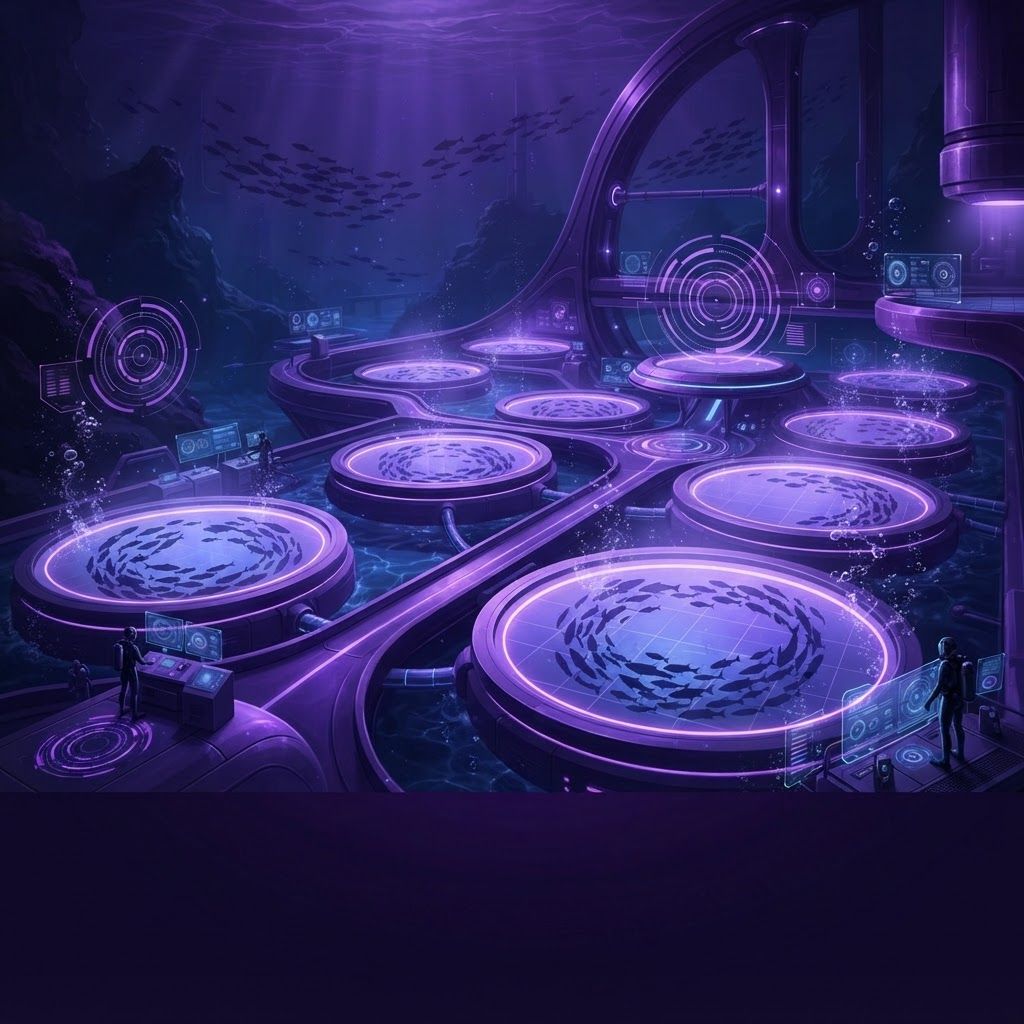
Garland has no coastline, yet it participates meaningfully in the fishery economy. Three forces make that possible. First, the metroplex represents enormous seafood demand, which sustains sophisticated distribution and processing operations positioned close to consumers rather than close to water. Second, recirculating aquaculture technology has made indoor fish and shrimp production viable far from the coast. Third, the lakes and reservoirs around the region, including Lake Ray Hubbard nearby, support fisheries management, stocking, and recreational angling businesses.
For buyers, an inland location can actually be an advantage. Air-freighted and refrigerated shipments arrive into a well-connected logistics hub, and locally farmed species can be harvested to order, sometimes reaching a restaurant kitchen faster than coastal supply chains allow.
The Top 10 Fishery Companies Serving Garland
1. Lone Star Seafood Distribution
A full-line seafood distributor serving restaurants, grocers, and institutional kitchens, Lone Star Seafood Distribution handles fresh and frozen finfish, shellfish, and value-added products. Their temperature-monitored logistics and rapid receiving inspection process are central to maintaining quality across a wide catalog.
2. Garland Aquaculture Systems
Operating recirculating indoor systems, Garland Aquaculture Systems raises tilapia, hybrid striped bass, and catfish for local markets. Because water is filtered and reused, their consumption is dramatically lower than pond production, and harvest scheduling can be matched precisely to customer demand.
3. Metroplex Shrimp Farms
Inland shrimp production has advanced considerably. Metroplex Shrimp Farms produces Pacific white shrimp in controlled biofloc systems, delivering a never-frozen product to regional chefs. Their disease-free stocking protocols and closed water systems eliminate many of the environmental concerns associated with coastal shrimp ponds.
4. Firewheel Live Fish Trading
Live seafood is essential to many culinary traditions well represented in the metroplex. Firewheel Live Fish Trading supplies live finfish, crab, and shellfish to specialty markets and restaurants, with holding systems and oxygenated transport designed to keep stress and mortality low.
5. Saturn Road Fish Processing
Processing adds significant value. Saturn Road Fish Processing provides filleting, portioning, vacuum packing, and blast freezing services for distributors and food producers. Consistent portion weights matter enormously for restaurant food cost control, and their yield discipline is a recognized strength.
6. Prairie Creek Hatchery and Stocking
Fisheries require replenishment. Prairie Creek Hatchery and Stocking produces fingerlings and stocker fish for private lakes, ponds, and conservation projects, along with electrofishing surveys and habitat assessments. Property owners and municipalities rely on their data-driven stocking recommendations.
7. Duckcreek Ornamental Aquatics
The aquarium trade is a substantial segment of the broader fishery industry. Duckcreek Ornamental Aquatics supplies freshwater ornamental fish, aquatic plants, and pond stock to retailers. Quarantine protocols and careful acclimatization handling reduce losses that otherwise erode retailer margins.
8. Northeast Dallas Frozen Seafood Imports
Global sourcing supplies much of the region seafood volume. Northeast Dallas Frozen Seafood Imports manages imported frozen shrimp, whitefish, and squid with documented country of origin and cold chain records. Their attention to import compliance and species verification protects buyers from mislabeling risk.
9. Summit Sustainable Fisheries Consulting
Sourcing decisions increasingly require expertise. Summit Sustainable Fisheries Consulting advises restaurant groups, retailers, and institutions on responsible sourcing, certification interpretation, and menu substitution strategies when preferred species become constrained.
10. Texas Aquaculture Equipment and Feed
Fish farming depends on reliable inputs. Texas Aquaculture Equipment and Feed supplies pumps, filtration media, aeration systems, water testing kits, and species-specific feed formulations. Their technical support helps operators diagnose water quality problems before they become mortality events.
Cold Chain Integrity Is Everything
Seafood quality degrades faster than almost any other food category, and most quality complaints originate in handling rather than harvest. Buyers should require continuous temperature logs from receipt through delivery, inspect product temperature on arrival rather than assuming compliance, and reject shipments showing ice glaze damage or thaw and refreeze indicators. Frozen product should be received at consistently deep frozen temperatures, and fresh product should be surrounded by ice contact rather than merely refrigerated air. Rapid receiving practice matters as much as supplier selection.
Sustainability and Certification
Responsible sourcing has become a mainstream expectation. Buyers commonly look for third-party aquaculture and wild-capture certifications, but interpretation requires care, since certifications differ substantially in scope and rigor. Species-level guidance is equally important, because stock status varies by region and fishing method even within the same species. Aquaculture certification typically addresses feed sourcing, effluent management, disease control, and antibiotic use, all of which meaningfully affect environmental outcomes.
Technology Changing Aquaculture
Recirculating aquaculture systems continue to improve in efficiency, allowing production close to major inland markets with tightly controlled water use. Automated feeding systems paired with camera monitoring reduce feed waste, which is both the largest cost and a primary source of water quality problems. Genetic selection is producing faster-growing and more disease-resistant stock. Alternative feed ingredients, including insect protein and algal oils, are reducing dependence on wild-caught fishmeal, addressing one of the longstanding criticisms of farmed seafood.
Final Thoughts
Garland demonstrates that a fishery sector does not require a coastline. Between capable distributors, indoor aquaculture producers, processors, hatcheries, and consulting expertise, buyers in the area have genuine choice. Those who prioritize cold chain verification, documented sourcing, and certified sustainability practices consistently serve better product while supporting a more resilient regional seafood supply.